
Breaking News
JUDICIARY: Senate Backs Adding More Judges To Clear Case Backlog

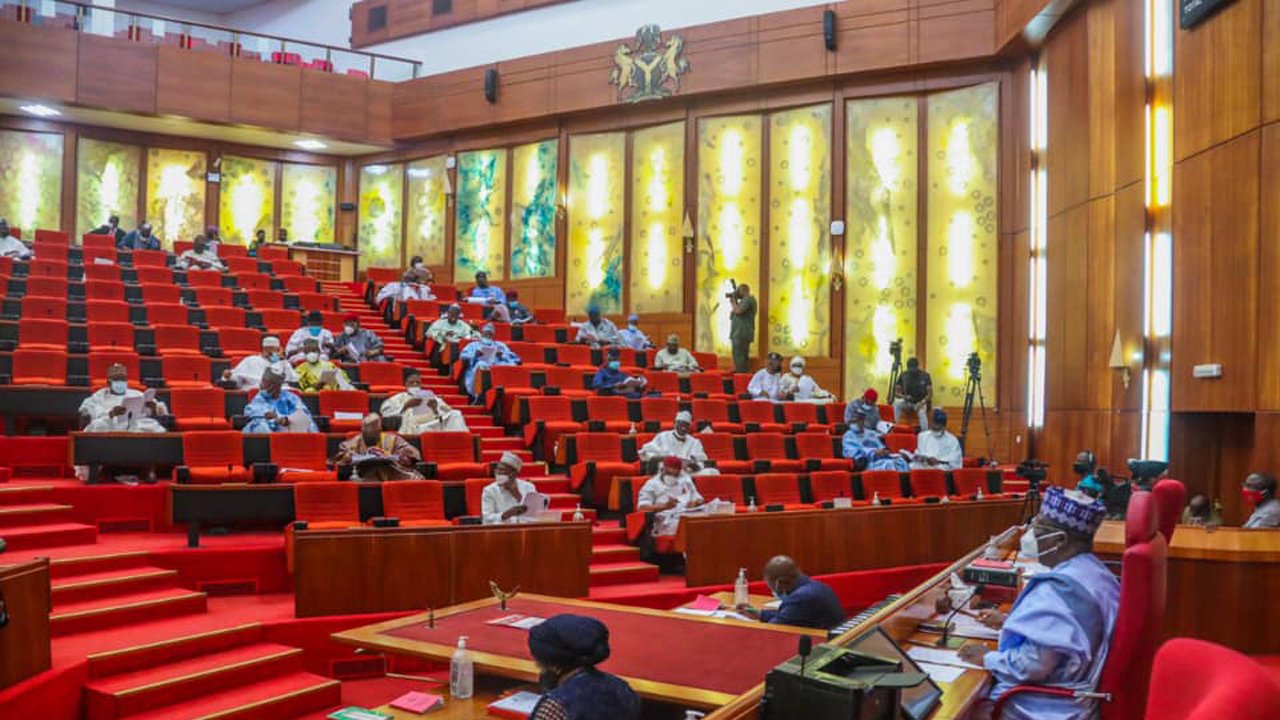
The Senate on Tuesday began legislative action to expand Nigeria’s federal judiciary, as lawmakers advanced two bills seeking to increase the number of judges of the Federal High Court and justices of the Court of Appeal in response to growing case backlogs and delays in the administration of justice.
The bills, which scaled second reading during plenary, were subsequently referred to the Senate Committee on Judiciary, Human Rights and Legal Matters for further legislative scrutiny and are expected back before the chamber within four weeks.
Leading debate on the first bill, which seeks to amend existing laws to increase the number of judges of the Federal High Court, Senate Leader, Senator Opeyemi Bamidele, said the proposal had become necessary due to the expanding responsibilities of the court and the rising volume of cases before it.
He noted that the Federal High Court exercises exclusive jurisdiction over key sectors of the economy and governance, including taxation, banking, aviation, telecommunications, anti-corruption cases, terrorism financing, oil and gas disputes, and election-related matters.
According to him, the growing complexity of these sectors has placed enormous pressure on the court.
“Over the years, the volume of cases before the Federal High Court has increased exponentially. The expansion of economic activities, growth in commercial transactions, advancement in technology, the emergence of cyber crimes, increasing anti-corruption prosecutions and the complexity of modern governance have significantly expanded the workload of the court,” he said.
Bamidele argued that the number of judges currently provided under the law no longer reflects the realities facing the nation’s justice system.
“The statutory number of judges has remained inadequate relative to the demands placed upon the court,” he stated.
He warned that the shortage of judicial officers has contributed to prolonged litigation and delays in the delivery of justice.
The situation, he noted, has resulted in “congestion of court dockets, prolonged delays in hearing and determination of cases, increased cost of litigation to litigants etc.”
Following the debate, the Senate granted the bill a second reading.
Related News
Bamidele pushes six-year single term for presidents, govs
Cyberbullying: Doris Ogala’s arraignment stalled again over ill health
Senate grills SEDC boss over ₦16.6bn budget, demands explanation
The upper chamber also considered a separate bill seeking to amend the Court of Appeal Act to strengthen the capacity of the appellate court and modernise its operations.
Presenting the proposal, Bamidele explained that the legislation would increase the number of justices of the Court of Appeal from 70 to 110 and introduce provisions for virtual court proceedings.
“A bill for an act to amend the Court of Appeal Act Cap C36 Laws of the Federation of Nigeria 2004 to, among other things increase the number of justices of the Court of Appeal from seventy to one hundred and ten, provide for integration of virtual court proceedings and for related matters, 2026, second reading taken,” he said.
Lawmakers observed that increasing the number of judicial officers, alongside the adoption of technology-driven proceedings, would help reduce delays in hearing appeals and improve access to justice nationwide.
The introduction of virtual hearings is also expected to bring appellate court procedures in line with global best practices while reducing logistical challenges associated with physical court appearances.
After deliberations, President of the Senate, Senator Godswill Akpabio, referred both bills to the Committee on Judiciary, Human Rights and Legal Matters for detailed consideration.
“Both bills are hereby referred to the Senate Committee on Judiciary, Human Rights and Legal Matters to report back to the Senate in four weeks,” Akpabio ruled.
If eventually passed and signed into law, the measures would mark one of the most significant expansions of Nigeria’s federal judiciary in recent years.
Legal practitioners and stakeholders have long argued that inadequate judicial manpower remains a major factor behind delays in the resolution of commercial disputes, criminal trials, election petitions and other matters before the courts.
Supporters of the proposed legislation believe the reforms will strengthen the efficiency of the judiciary, reduce case congestion and improve public confidence in the justice system.
The Senate’s action comes amid increasing calls for reforms to ensure faster and more effective justice delivery across the country. The bills will now undergo detailed committee review before returning to the Senate for further consideration.
Breaking News
Breaking: Nigerian Workers Demand N300,000 Minimum Wage, FG Faces Fresh Salary Pressure
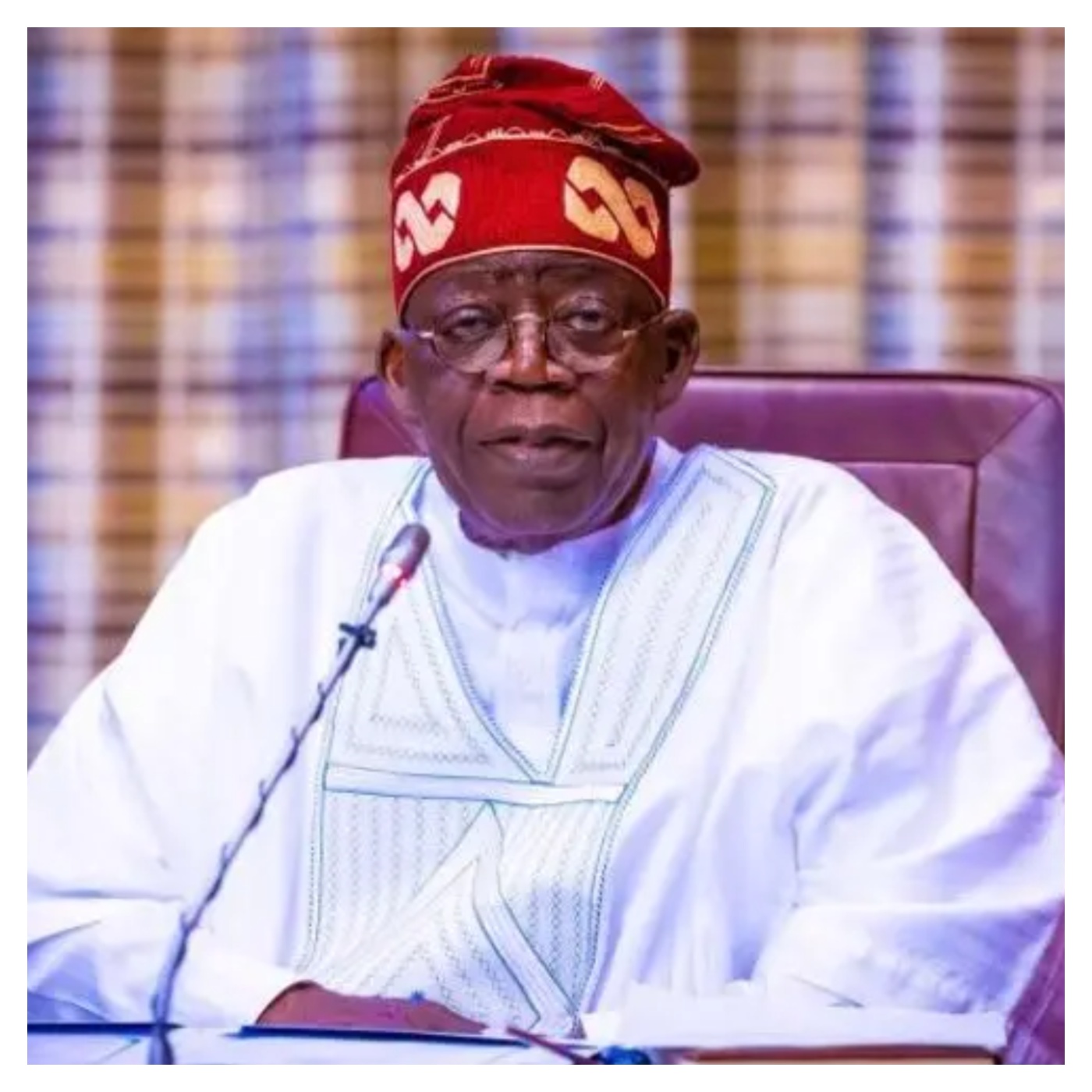
The Federal Workers Forum, FWF, has demanded an immediate increase in the federal minimum wage from N70,000 to N300,000, noting that the current salary structure can no longer sustain civil servants amid Nigeria’s rising cost of living.
The Forum made the demand in a letter dated September 2, 2026, addressed to President Bola Ahmed Tinubu and the National Assembly, with the Senate President, Speaker of the House of Representatives, Chief Justice of Nigeria and Head of the Civil Service of the Federation listed among the recipients.
The workers also proposed a new salary structure that would place the highest-paid Level 17 officer on a monthly salary of N1.5 million, while Level 1 Step 1 workers would earn N300,000.
“We call for justice and immediate wage review now, adjust the federal minimum wage to N300,000 and a maximum wage of N1.5m for the Level 17 officers,” the Forum said.
Recommended
The FWF argued that the Federal Government had not fully implemented the 2024 minimum wage agreement, claiming that federal workers had yet to receive the full consequential adjustment and associated allowances.
“It will surprise you to hear that the Federal Government has not fully implemented the new national minimum wage since July 2024. We have been in the battle for full consequential adjustment of the new minimum wage,” it said.
Recall that the Nigeria Labour Congress, NLC, in August 2026, demanded an upward review of the minimum wage to N500,000.
In July 2024, President Bola Tinubu’s government increased the minimum wage to N70,000 per month from N30,000.
However, the cost of living for many Nigerians has tripled between 2024 and 2026.
You may like
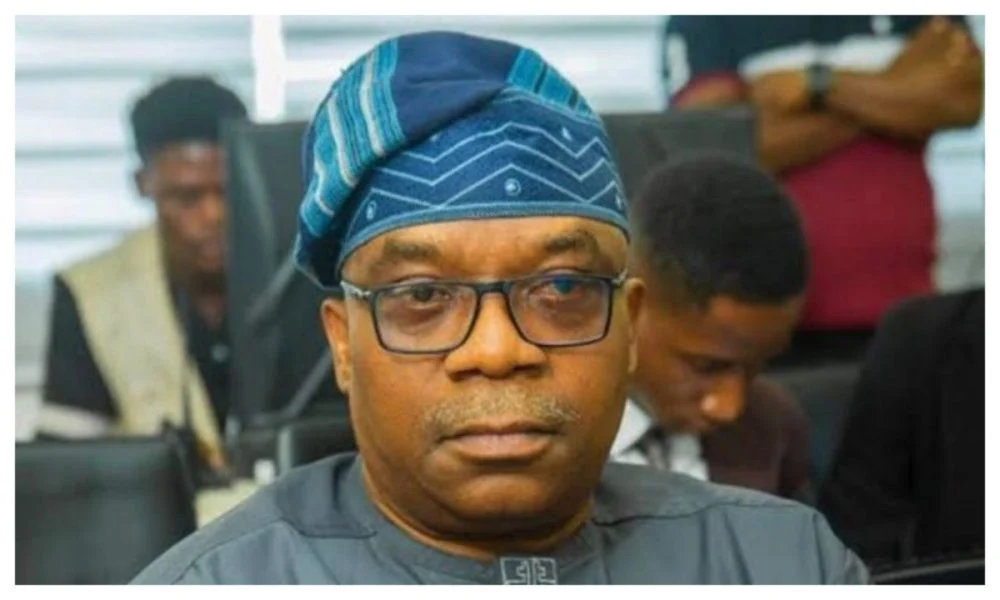
The Federal Government has said Nigeria will never support a military coup or any unconstitutional change of government, following claims that the country backed a failed coup attempt in the Niger Republic.
The Minister of State for Foreign Affairs, Sola Enikanolaiye, made this known in a statement issued on Thursday.
According to the statement, the claims circulating on social media are baseless and misleading.
Enikanolaiye said Nigeria remained committed to democracy, constitutional rule and political stability in West Africa and would not support any attempt to remove a government through unconstitutional means.
Recommended
“Nigeria will never support illegality or unconstitutional change of government anywhere, no matter who is involved or which country is concerned,” he said.
The minister also rejected claims that Nigeria, through its membership of the Economic Community of West African States (ECOWAS), supported or endorsed the military takeover in Niger.
He said the Federal Government had already stated its position on the situation in Niger in an earlier statement issued by the Ministry of Foreign Affairs on August 30, 2026.
According to him, Nigeria remains deeply concerned about developments in Niger and wants the country to return peacefully to stability and constitutional order.
Enikanolaiye said Nigeria’s close historical, cultural and fraternal ties with Niger made peace and stability in the neighbouring country particularly important.
“Nigerians at home and abroad should disregard the videos and narratives circulating online, they are intended to create confusion and tarnish Nigeria’s image,” the statement said.
You may like
-

 Breaking News11 months ago
Niger Delta Group hails Tinubu, NUPRC for ₦373bn host community fund and 536 life-changing projects
-

 Breaking News10 months ago
Ex-EFCC Exhibit Keeper Kaduna Zonal Directorate, Allegedly Steals ₦22m
-

 Breaking News9 months ago
Terrorists Want ₦2m ‘levy’ in Katsina Community Despite Peaceful Agreement
-

 Business4 months ago
BREAKING NEWS: Zenith Bank Rewards Investors with ₦410.69bn Dividend at AGM
-

 Breaking News8 months ago
Breaking News: Nigerian Air Force Reportedly Kills 750 Terrorists in Borno State
-

 Business11 months ago
House of Representatives probes $35m modular refinery project
-

 Breaking News4 months ago
Plaintiff To Pay ₦1m Fines For Delay In Jonathan Eligibility Suit
-

 Breaking News4 months ago
DEFAMATION OF CHARACTER: SERAP On Appeal Against The ₦100m Judgment In Favour of DSS Officials