Breaking News
BREAKING: International Relations Expert, Comments on the Proposed US Sanction Bill for Religious Freedom in Nigeria

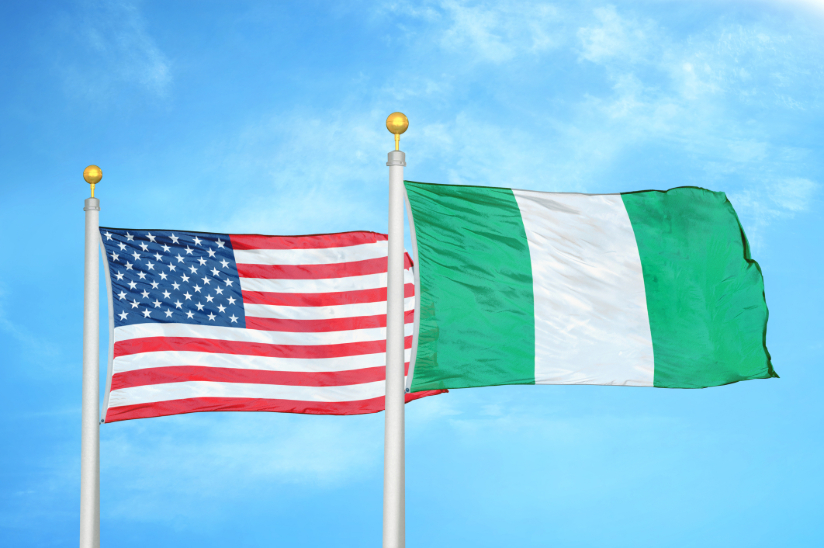
When a group of US lawmakers introduced a new sanctions bill targeting alleged religious freedom violations in Nigeria, the move immediately reignited a familiar and delicate debate on where human right advocacy ends and where foreign overreach begins.
For international relations expert, Khalid Iliyasu Dauda, the proposed Nigeria Religious Freedom and Accountability Act of 2026 reflects a pattern Washington has deployed in applying pressure without direct confrontation.
“The proposed legislation mirrors a well-established US strategy of using targeted sanctions to influence elite behaviour and signal concern over religious violence,” said Dauda, a lecturer at Skyline University in a exclusive interview with DAILY POST.
He said the sanction’s “credibility will depend on strong evidence, fair targeting, and genuine engagement with Nigerian authorities. Without these, it risks being more symbolic than an effective accountability mechanism.”
The bill, introduced by Republican Congressman Riley Moore of West Virginia and co-sponsored by Rep. Chris Smith of New Jersey, proposes visa bans and freeze of assets belonging to individuals and groups accused of religious persecution.
Named in the draft are former Kano State Governor, Rabiu Musa Kwankwaso, Fulani-ethnic nomadic militias, the Miyetti Allah Cattle Breeders Association of Nigeria (MACBAN) and Miyetti Allah Kautal Hore. The sanctions would be enforced under the Global Magnitsky Human Rights Accountability Act, with the US Departments of State and Treasury directed to identify those deemed responsible for violations. The legislation also mandates humanitarian intervention in Nigeria’s Middle Belt through “trusted faith-based and non-governmental organisations,” funded by both Washington and Abuja.
The bill goes further to instruct the US Secretary of State to determine whether certain Fulani militias qualify for designation as Foreign Terrorist Organisations which is a step that would carry serious legal and diplomatic consequences.
To Dauda, the controversy surrounding the bill is expected.
He said, “The sovereignty concerns are understandable, especially given Nigeria’s complex internal security challenges,” he said.
“Yet, such actions are increasingly justified under international human rights norms. This initiative sits at the intersection of rights advocacy and geopolitical pressure.”
Despite the tension, Dauda does not foresee a collapse in relations as according to him, “US–Nigeria relations are built on deep strategic foundations, particularly in security collaboration, economic engagement, and regional stability.
“What is more likely is a shift toward a more conditional and pragmatic partnership, characterised by closer scrutiny and periodic tensions rather than a breakdown in relations.”
DAILY POST recalls that the proposed legislation builds on earlier US actions. In late 2025, President Donald Trump re-designated Nigeria as a “Country of Particular Concern” over what Washington described as severe religious freedom violations, particularly against Christian communities. This was followed by the Federal Government’s consistent denial of Christian prosecution, insisting that the violence was driven by banditry and Insurgency rather than religion.
Kwankwaso was among the most vocal critics of the designation. Reacting on his verified X handle, the former governor warned against simplifying Nigeria’s security crisis.
“It is important to emphasize that our country is a sovereign nation whose people face different threats from outlaws across the country,” he said.
“The security challenges we face are complex and multifaceted. They are not limited to one faith or one region.”
He called for cooperation rather than punitive response from Washington.
“The United States should assist Nigeria with advanced technology and intelligence support to combat insecurity instead of resorting to threats,” Kwankwaso said, cautioning that, “Care must be taken not to escalate tensions or deepen divisions within our diverse society.”
Those comments triggered sharp reactions from some US lawmakers backing the bill. In one exchange on X, Moore accused Kwankwaso of complicity in religious persecution, writing, “Governor do you care to comment on your own complicity in the death of Christians? You instituted sharia law. You signed the law that makes so-called blasphemy punishable by death.”
Months later, Kwankwaso’s name has resurfaced in the proposed legislation, fuelling speculation in political and diplomatic circles about how personal exchanges, policy disagreements, and long-standing narratives about Nigeria’s north have shaped the bill.
As at the time of filing this report, the former Kano State Governor is yet to publicly comment on the new development.
Breaking News
Breaking: Nigerian Workers Demand N300,000 Minimum Wage, FG Faces Fresh Salary Pressure
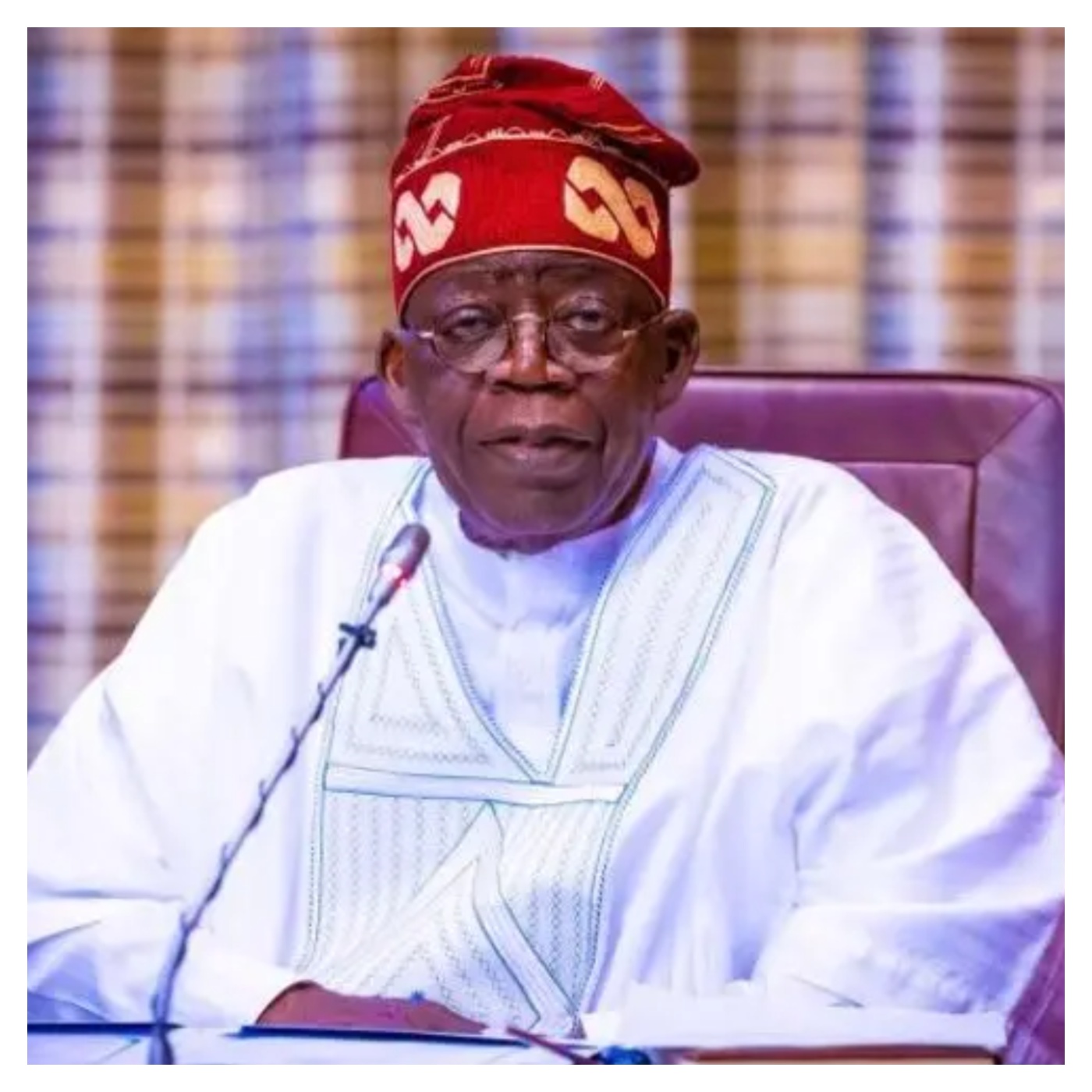
The Federal Workers Forum, FWF, has demanded an immediate increase in the federal minimum wage from N70,000 to N300,000, noting that the current salary structure can no longer sustain civil servants amid Nigeria’s rising cost of living.
The Forum made the demand in a letter dated September 2, 2026, addressed to President Bola Ahmed Tinubu and the National Assembly, with the Senate President, Speaker of the House of Representatives, Chief Justice of Nigeria and Head of the Civil Service of the Federation listed among the recipients.
The workers also proposed a new salary structure that would place the highest-paid Level 17 officer on a monthly salary of N1.5 million, while Level 1 Step 1 workers would earn N300,000.
“We call for justice and immediate wage review now, adjust the federal minimum wage to N300,000 and a maximum wage of N1.5m for the Level 17 officers,” the Forum said.
Recommended
The FWF argued that the Federal Government had not fully implemented the 2024 minimum wage agreement, claiming that federal workers had yet to receive the full consequential adjustment and associated allowances.
“It will surprise you to hear that the Federal Government has not fully implemented the new national minimum wage since July 2024. We have been in the battle for full consequential adjustment of the new minimum wage,” it said.
Recall that the Nigeria Labour Congress, NLC, in August 2026, demanded an upward review of the minimum wage to N500,000.
In July 2024, President Bola Tinubu’s government increased the minimum wage to N70,000 per month from N30,000.
However, the cost of living for many Nigerians has tripled between 2024 and 2026.
You may like
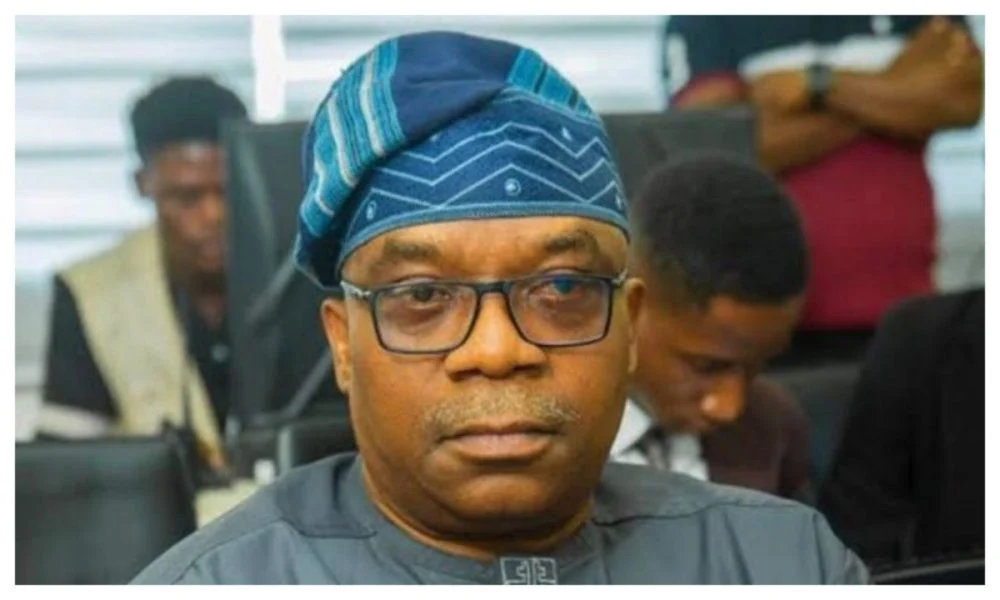
The Federal Government has said Nigeria will never support a military coup or any unconstitutional change of government, following claims that the country backed a failed coup attempt in the Niger Republic.
The Minister of State for Foreign Affairs, Sola Enikanolaiye, made this known in a statement issued on Thursday.
According to the statement, the claims circulating on social media are baseless and misleading.
Enikanolaiye said Nigeria remained committed to democracy, constitutional rule and political stability in West Africa and would not support any attempt to remove a government through unconstitutional means.
Recommended
“Nigeria will never support illegality or unconstitutional change of government anywhere, no matter who is involved or which country is concerned,” he said.
The minister also rejected claims that Nigeria, through its membership of the Economic Community of West African States (ECOWAS), supported or endorsed the military takeover in Niger.
He said the Federal Government had already stated its position on the situation in Niger in an earlier statement issued by the Ministry of Foreign Affairs on August 30, 2026.
According to him, Nigeria remains deeply concerned about developments in Niger and wants the country to return peacefully to stability and constitutional order.
Enikanolaiye said Nigeria’s close historical, cultural and fraternal ties with Niger made peace and stability in the neighbouring country particularly important.
“Nigerians at home and abroad should disregard the videos and narratives circulating online, they are intended to create confusion and tarnish Nigeria’s image,” the statement said.
You may like
-

 Breaking News11 months ago
Niger Delta Group hails Tinubu, NUPRC for ₦373bn host community fund and 536 life-changing projects
-

 Breaking News10 months ago
Ex-EFCC Exhibit Keeper Kaduna Zonal Directorate, Allegedly Steals ₦22m
-

 Breaking News9 months ago
Terrorists Want ₦2m ‘levy’ in Katsina Community Despite Peaceful Agreement
-

 Business4 months ago
BREAKING NEWS: Zenith Bank Rewards Investors with ₦410.69bn Dividend at AGM
-

 Breaking News9 months ago
Breaking News: Nigerian Air Force Reportedly Kills 750 Terrorists in Borno State
-

 Business11 months ago
House of Representatives probes $35m modular refinery project
-

 Breaking News4 months ago
Plaintiff To Pay ₦1m Fines For Delay In Jonathan Eligibility Suit
-

 Breaking News4 months ago
DEFAMATION OF CHARACTER: SERAP On Appeal Against The ₦100m Judgment In Favour of DSS Officials