
Breaking News
ADC Primaries: Atiku Says “Democracy Has Come To Stay”

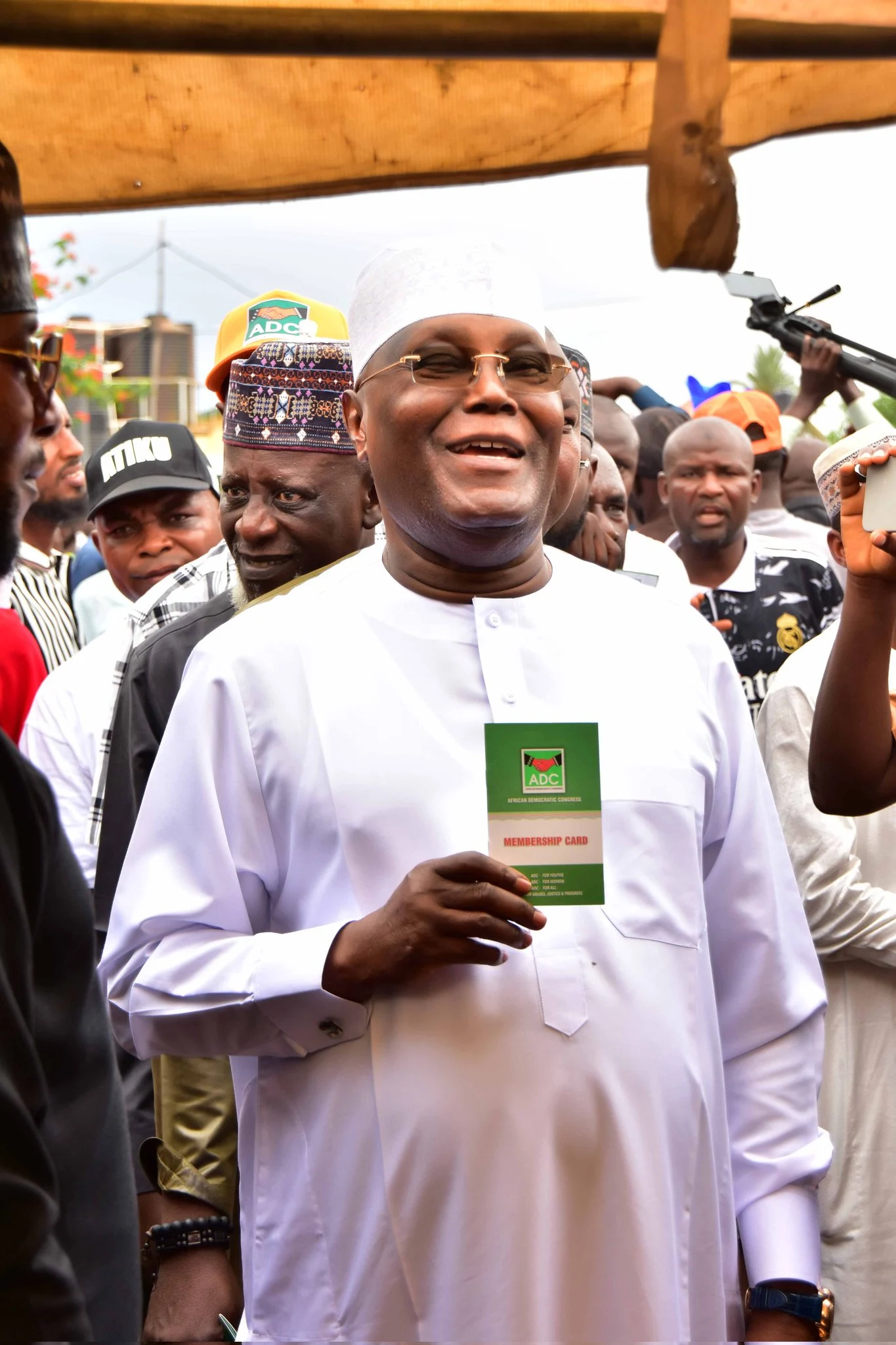
Former Vice President of Nigeria and presidential aspirant under the African Democratic Congress, Atiku Abubakar, has said democracy has firmly taken root in Nigeria following the party’s nationwide primary elections.
Atiku made this remark in a statement signed by the Atiku Media Office and shared on X on Monday after casting his vote at the Ajiya Ward Polling Unit in Jimeta, Yola, Adamawa State.
The ADC presidential primary was held simultaneously across 8,809 wards in the 36 states of the federation and the Federal Capital Territory.
Addressing supporters, Atiku described the large turnout as a strong indication of internal democratic participation within the party.
“The large turnout of voters is a clear indication of how party members are willing to participate in the ADC internal democratic processes”, the former Vice President said, adding “I have no doubt that democracy has come to stay.”
Related News
Court adjourns Sylva asset forfeiture case to July 16
Atiku votes in Adamawa, says ADC primary step to recover Nigeria
Prioritise security over election wins, Archbishop urges politicians
The former vice president cast his vote amid cheers from party faithful who gathered at the polling unit.
The former vice president cast his vote amid cheers from party faithful who gathered at the polling unit. Voting reportedly commenced shortly after his arrival at the venue from Abuja, with Atiku listed among three aspirants in the race, including former Rivers State Governor Rotimi Amaechi and Mohammed Hayatudeen.
The statement added that the returning officer, Hon. Umar Jada, earlier announced that Ajiya Ward had unanimously endorsed Atiku’s
The statement said, “The returning officer, Hon. Umar Jada, earlier announced that Ajiya Ward had unanimously endorsed Atiku’s candidacy. At the end of the process, a total of 3,220 votes were reportedly cast in his favour.”
Hannah Johnson
Hannah Johnson is a journalist at Punch Newspapers with over three years of professional experience in reporting, storytelling, and digital content creation. She blends traditional reporting skills with a modern, digital-first approach to journalism, producing content tailored for both web and social platforms. Hannah is skilled at turning complex topics into clear, engaging, and relatable stories that resonate with a wide audience. Her work reflects hands-on newsroom experience, editorial judgment, and a strong commitment to accurate, audience-focused journalism.
All rights reserved. This material, and other digital content on this website, may not be reproduced, published, broadcast, rewritten or redistributed in whole or in part without prior express written permission from PUNCH.
Contact: theeditor@punchng.com
Breaking News
Breaking: Nigerian Workers Demand N300,000 Minimum Wage, FG Faces Fresh Salary Pressure
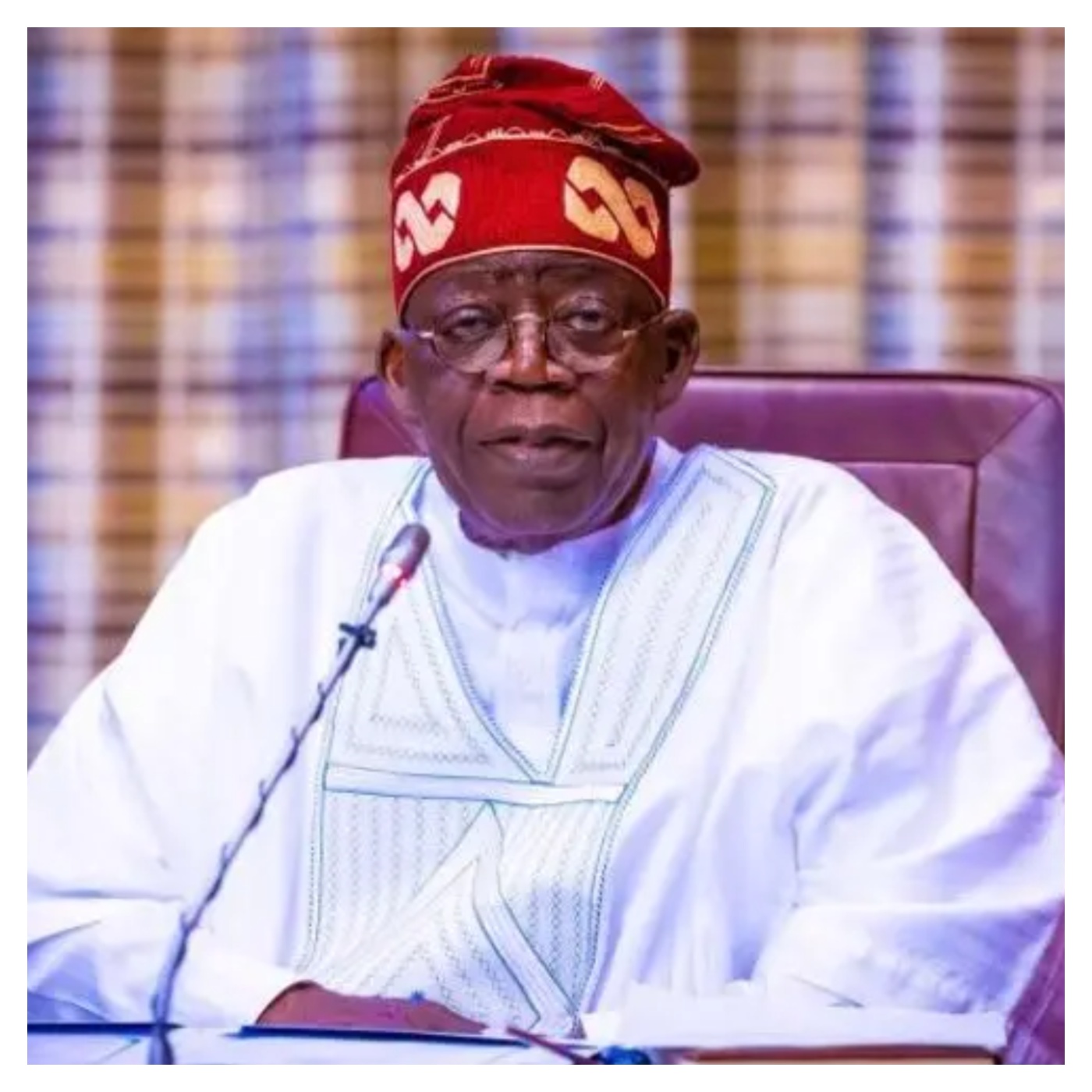
The Federal Workers Forum, FWF, has demanded an immediate increase in the federal minimum wage from N70,000 to N300,000, noting that the current salary structure can no longer sustain civil servants amid Nigeria’s rising cost of living.
The Forum made the demand in a letter dated September 2, 2026, addressed to President Bola Ahmed Tinubu and the National Assembly, with the Senate President, Speaker of the House of Representatives, Chief Justice of Nigeria and Head of the Civil Service of the Federation listed among the recipients.
The workers also proposed a new salary structure that would place the highest-paid Level 17 officer on a monthly salary of N1.5 million, while Level 1 Step 1 workers would earn N300,000.
“We call for justice and immediate wage review now, adjust the federal minimum wage to N300,000 and a maximum wage of N1.5m for the Level 17 officers,” the Forum said.
Recommended
The FWF argued that the Federal Government had not fully implemented the 2024 minimum wage agreement, claiming that federal workers had yet to receive the full consequential adjustment and associated allowances.
“It will surprise you to hear that the Federal Government has not fully implemented the new national minimum wage since July 2024. We have been in the battle for full consequential adjustment of the new minimum wage,” it said.
Recall that the Nigeria Labour Congress, NLC, in August 2026, demanded an upward review of the minimum wage to N500,000.
In July 2024, President Bola Tinubu’s government increased the minimum wage to N70,000 per month from N30,000.
However, the cost of living for many Nigerians has tripled between 2024 and 2026.
You may like
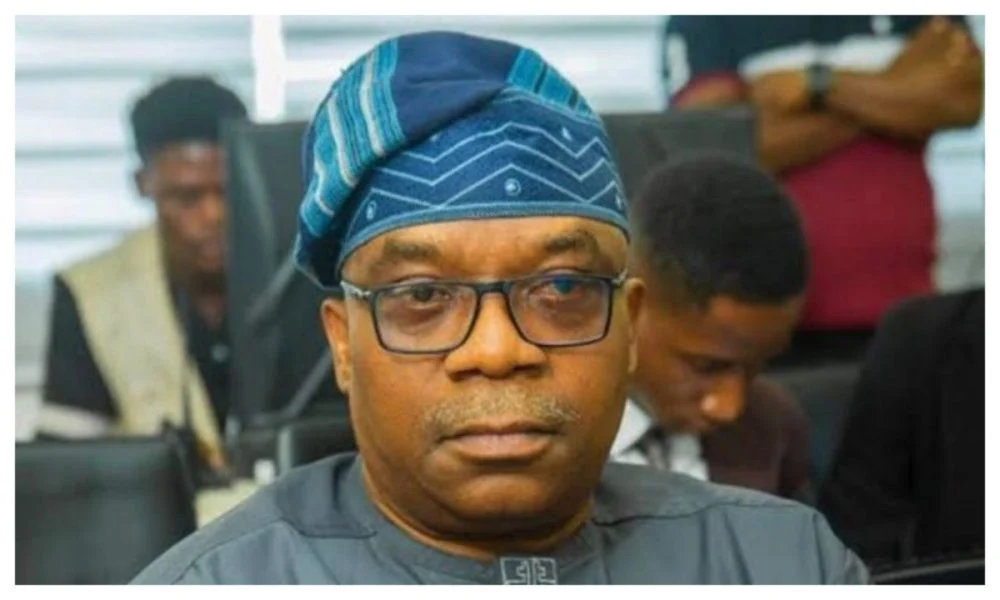
The Federal Government has said Nigeria will never support a military coup or any unconstitutional change of government, following claims that the country backed a failed coup attempt in the Niger Republic.
The Minister of State for Foreign Affairs, Sola Enikanolaiye, made this known in a statement issued on Thursday.
According to the statement, the claims circulating on social media are baseless and misleading.
Enikanolaiye said Nigeria remained committed to democracy, constitutional rule and political stability in West Africa and would not support any attempt to remove a government through unconstitutional means.
Recommended
“Nigeria will never support illegality or unconstitutional change of government anywhere, no matter who is involved or which country is concerned,” he said.
The minister also rejected claims that Nigeria, through its membership of the Economic Community of West African States (ECOWAS), supported or endorsed the military takeover in Niger.
He said the Federal Government had already stated its position on the situation in Niger in an earlier statement issued by the Ministry of Foreign Affairs on August 30, 2026.
According to him, Nigeria remains deeply concerned about developments in Niger and wants the country to return peacefully to stability and constitutional order.
Enikanolaiye said Nigeria’s close historical, cultural and fraternal ties with Niger made peace and stability in the neighbouring country particularly important.
“Nigerians at home and abroad should disregard the videos and narratives circulating online, they are intended to create confusion and tarnish Nigeria’s image,” the statement said.
You may like
-

 Breaking News11 months ago
Niger Delta Group hails Tinubu, NUPRC for ₦373bn host community fund and 536 life-changing projects
-

 Breaking News10 months ago
Ex-EFCC Exhibit Keeper Kaduna Zonal Directorate, Allegedly Steals ₦22m
-

 Breaking News9 months ago
Terrorists Want ₦2m ‘levy’ in Katsina Community Despite Peaceful Agreement
-

 Business4 months ago
BREAKING NEWS: Zenith Bank Rewards Investors with ₦410.69bn Dividend at AGM
-

 Breaking News8 months ago
Breaking News: Nigerian Air Force Reportedly Kills 750 Terrorists in Borno State
-

 Business11 months ago
House of Representatives probes $35m modular refinery project
-

 Breaking News4 months ago
Plaintiff To Pay ₦1m Fines For Delay In Jonathan Eligibility Suit
-

 Breaking News4 months ago
DEFAMATION OF CHARACTER: SERAP On Appeal Against The ₦100m Judgment In Favour of DSS Officials