
Breaking News
US-Based Nigerian Seek Court To Set Aside Judgment


A Nigerian-American engineer, Anthony Ehiedu Ugbebor, has asked the Court of Appeal to overturn the judgment of the Lagos High Court which declared that his property purchase agreement with a developer, Mr Olukayode Olusanya and Oak Homes Multinational Services Limited had been extinguished by the doctrine of novation.
The Lagos High Court had in the judgment ordered the refund of the N152 million Ugbebor paid for two luxury apartments in Victoria Island, Lagos.
In a Notice of Appeal filed by his counsel, Barrister Nasir Salau of Nasir Salau & Co., challenging the June 15, 2026 judgment delivered by Justice Akingbola George, Ugbebor argued that the trial judge misapplied settled principles of contract law, ignored material evidence, wrongly dismissed his counterclaim, and erroneously refused his claim for specific performance of the property sale agreement.
The appeal arose from Suit No. LD/4471LM/2023, instituted by property developer Olukayode Olusanya and Oak Homes against Ugbebor and the Economic and Financial Crimes Commission, EFCC, over alleged trespass on two second-floor three-bedroom apartments located at 14A Musa Yar’Adua Street, Victoria Island, Lagos.
Although the Lagos High Court dismissed most of the developer’s claims, it held that the parties’ conduct had effectively terminated their original agreement through novation.
The court also ordered Olukayode and Oak Homes to refund the N152 million previously paid by Ugbebor, while dismissing the engineer’s counterclaim seeking completion and delivery of the apartments or, alternatively, damages.
Dissatisfied with those findings, Ugbebor asked the Court of Appeal to overturn the judgment, restore the validity of the original contract and compel Oak Homes to honour its obligations under the agreement
Ugbebor also urged the appellate court to set aside the judgment in its entirety, arguing that the Lagos High Court’s findings were contrary to the evidence and established legal principles governing contracts.
He maintained that the original agreement remained valid and enforceable and asked the Court of Appeal to compel Oak Homes to honour its contractual obligations.
One of his principal complaints is that the trial judge wrongly placed the burden of proving payment on him instead of the claimant.
According to the Notice of Appeal, the judge erred in holding that he failed to make payments within contractual timelines despite evidence that the payment structure under the agreement was tied to construction milestones rather than fixed dates.
The appellant argued that under the payment schedule contained in Exhibit CW1, 35 percent of the purchase price became payable upon completion of the roofing stage, while the final 20 per cent became payable only upon completion of the apartments.
He maintained that the agreement never required payment on fixed calendar dates and that he had already paid about 80 per cent of the agreed purchase price even though the developer allegedly failed to attain the contractual milestones.
According to him, the trial judge misconstrued the payment clauses and ignored the unchallenged testimony of the defence witness that substantial payments had been made despite the developer’s inability to complete the project as agreed.
He further argued that under the Evidence Act, the burden of proving non-payment rested on Oak Homes, which alleged breach of contract, and not on him.
A major plank of the appeal is the trial court’s reliance on the doctrine of novation.
Justice George had held that the conduct of both parties created a new contractual relationship which effectively extinguished the original agreement.
However, Ugbebor argued that the finding was contrary to established principles of Nigerian contract law.
Relying on the Supreme Court’s decision in Heritage Bank Ltd v. Ajugwo, he contended that novation cannot be presumed merely from the conduct of parties.
According to him, for novation to arise there must be a clear agreement by all parties to substitute the original contract with a new one, coupled with an intention to extinguish the previous contractual obligations.
He argued that no witness testified that such a new agreement existed and no documentary evidence established one.
Rather, he maintained that the conduct relied upon by the trial court was consistent only with issues of delayed performance and alleged breach, not the creation of an entirely new contract.
He therefore urged the Court of Appeal to hold that the original agreement remained valid and binding. …For more, Complete your reading.
You may like
Breaking News
Breaking: Nigerian Workers Demand N300,000 Minimum Wage, FG Faces Fresh Salary Pressure
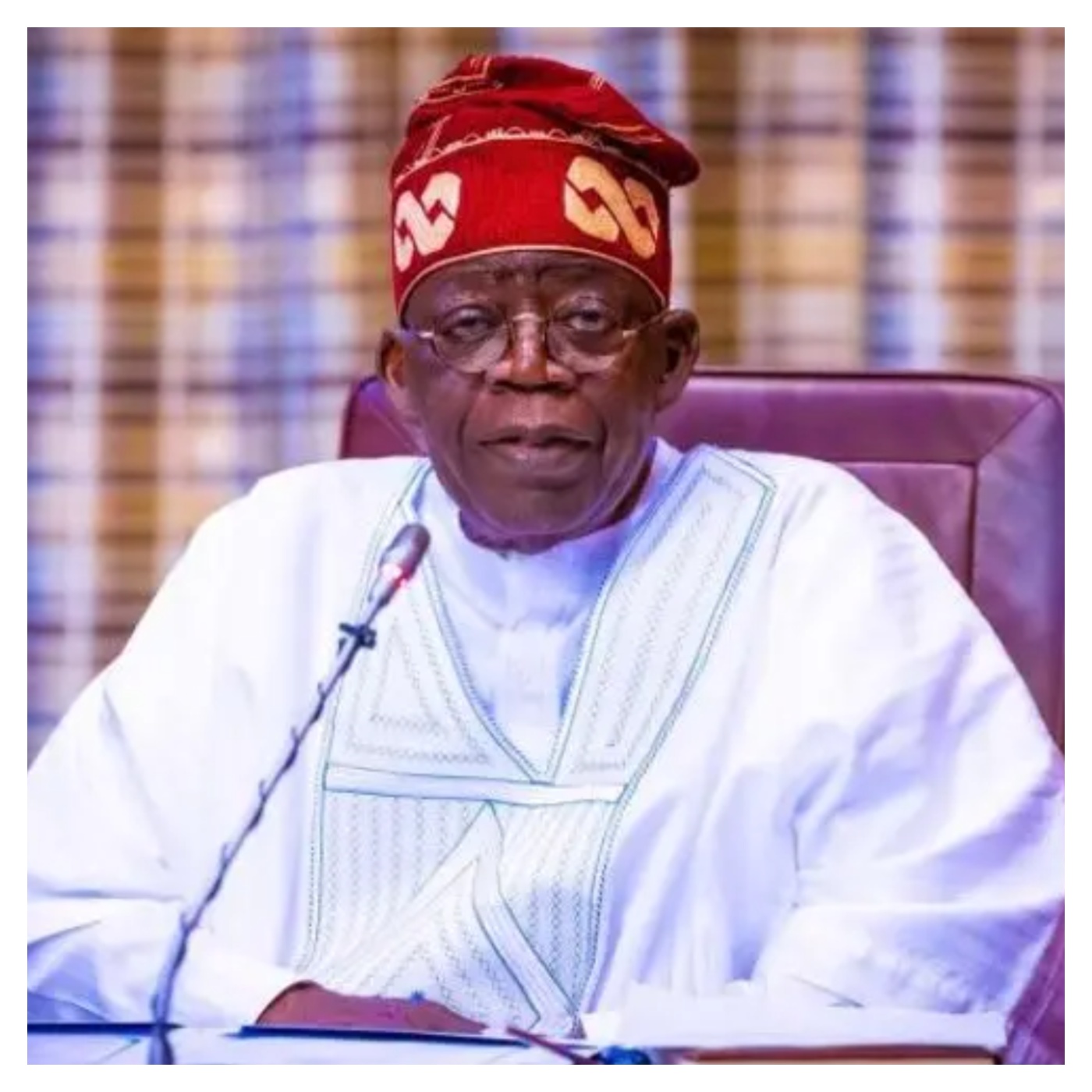
The Federal Workers Forum, FWF, has demanded an immediate increase in the federal minimum wage from N70,000 to N300,000, noting that the current salary structure can no longer sustain civil servants amid Nigeria’s rising cost of living.
The Forum made the demand in a letter dated September 2, 2026, addressed to President Bola Ahmed Tinubu and the National Assembly, with the Senate President, Speaker of the House of Representatives, Chief Justice of Nigeria and Head of the Civil Service of the Federation listed among the recipients.
The workers also proposed a new salary structure that would place the highest-paid Level 17 officer on a monthly salary of N1.5 million, while Level 1 Step 1 workers would earn N300,000.
“We call for justice and immediate wage review now, adjust the federal minimum wage to N300,000 and a maximum wage of N1.5m for the Level 17 officers,” the Forum said.
Recommended
The FWF argued that the Federal Government had not fully implemented the 2024 minimum wage agreement, claiming that federal workers had yet to receive the full consequential adjustment and associated allowances.
“It will surprise you to hear that the Federal Government has not fully implemented the new national minimum wage since July 2024. We have been in the battle for full consequential adjustment of the new minimum wage,” it said.
Recall that the Nigeria Labour Congress, NLC, in August 2026, demanded an upward review of the minimum wage to N500,000.
In July 2024, President Bola Tinubu’s government increased the minimum wage to N70,000 per month from N30,000.
However, the cost of living for many Nigerians has tripled between 2024 and 2026.
You may like
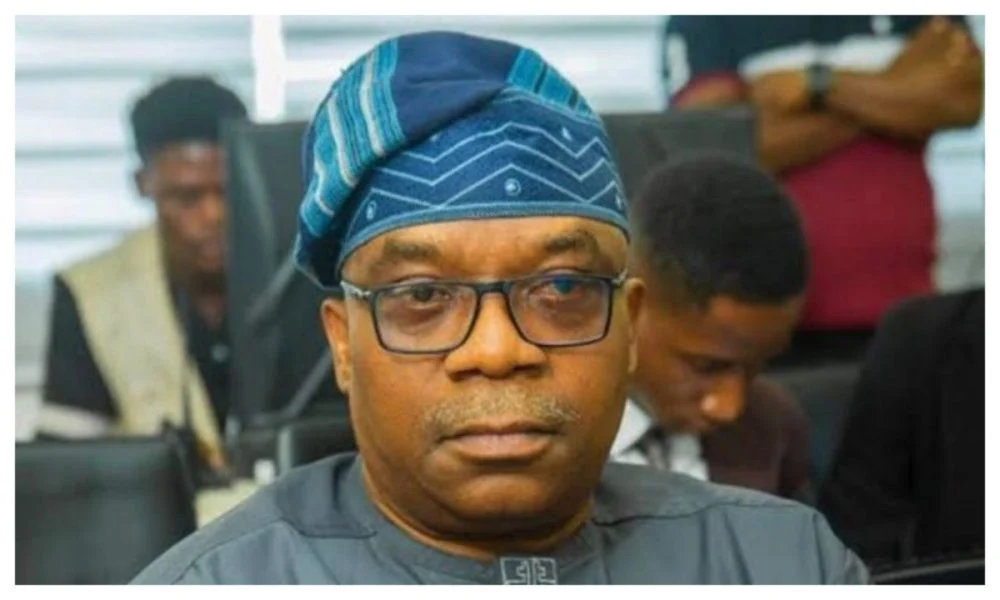
The Federal Government has said Nigeria will never support a military coup or any unconstitutional change of government, following claims that the country backed a failed coup attempt in the Niger Republic.
The Minister of State for Foreign Affairs, Sola Enikanolaiye, made this known in a statement issued on Thursday.
According to the statement, the claims circulating on social media are baseless and misleading.
Enikanolaiye said Nigeria remained committed to democracy, constitutional rule and political stability in West Africa and would not support any attempt to remove a government through unconstitutional means.
Recommended
“Nigeria will never support illegality or unconstitutional change of government anywhere, no matter who is involved or which country is concerned,” he said.
The minister also rejected claims that Nigeria, through its membership of the Economic Community of West African States (ECOWAS), supported or endorsed the military takeover in Niger.
He said the Federal Government had already stated its position on the situation in Niger in an earlier statement issued by the Ministry of Foreign Affairs on August 30, 2026.
According to him, Nigeria remains deeply concerned about developments in Niger and wants the country to return peacefully to stability and constitutional order.
Enikanolaiye said Nigeria’s close historical, cultural and fraternal ties with Niger made peace and stability in the neighbouring country particularly important.
“Nigerians at home and abroad should disregard the videos and narratives circulating online, they are intended to create confusion and tarnish Nigeria’s image,” the statement said.
You may like
-

 Breaking News12 months ago
Niger Delta Group hails Tinubu, NUPRC for ₦373bn host community fund and 536 life-changing projects
-

 Breaking News11 months ago
Ex-EFCC Exhibit Keeper Kaduna Zonal Directorate, Allegedly Steals ₦22m
-

 Breaking News10 months ago
Terrorists Want ₦2m ‘levy’ in Katsina Community Despite Peaceful Agreement
-

 Business5 months ago
BREAKING NEWS: Zenith Bank Rewards Investors with ₦410.69bn Dividend at AGM
-

 Breaking News5 months ago
DEFAMATION OF CHARACTER: SERAP On Appeal Against The ₦100m Judgment In Favour of DSS Officials
-

 Breaking News5 months ago
Plaintiff To Pay ₦1m Fines For Delay In Jonathan Eligibility Suit
-

 Breaking News4 months ago
Ogun Police Command Foils Plan To Kidnap Chinese National, Arrest 2 Over ₦50m Ransom Plan
-

 Breaking News2 months ago
Osun Dismisses EFCC’s ₦11b Alleged Looting, Says Action Illegal