
Health-Lifestyle
Reasons Why You May Feel Pain On The Left Side Of The Upper Back

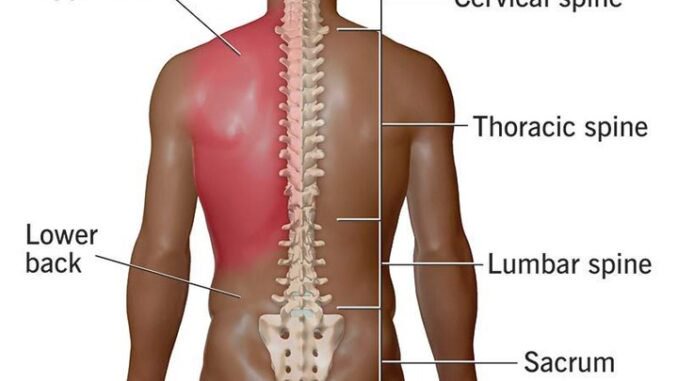
Reasons Why You May Feel Pain On The Left Side Of The Upper Back
Pain on the left side of the upper back can happen for many different reasons. In some cases, the discomfort may be linked to muscle strain or poor posture, while in other situations it could be associated with underlying medical conditions that require attention.
Health experts say that upper back pain should not always be ignored, especially if it becomes severe, persistent, or occurs together with other symptoms..For more, Complete your reading.

The benefits of not wearing a bra (often called going braless) have gained attention in recent years, with many women embracing the choice for comfort, personal freedom, and potential health perks.
While the decision remains highly individual, depending on breast size, lifestyle, activity level, and personal preference, several reported advantages stem from both anecdotal experiences and limited scientific insights.
One of the most commonly cited benefits is improved comfort and relaxation. Bras, especially ill-fitting or underwired ones, can cause irritation, chafing, digging into the skin, or restricted movement. Going braless eliminates this pressure, allowing the skin to breathe and reducing issues like sweat buildup, bacterial or fungal infections under the breasts, and shoulder or back strain from straps.
Many women report feeling more relaxed at the end of the day when they remove their bra, and extending this to daily wear can enhance overall physical ease.
Another potential advantage is better circulation and reduced discomfort. Tight bras may limit blood flow or create pressure in the chest area, contributing to soreness or tension. Without this constraint, circulation can improve, potentially easing breast tenderness or related aches.
Some sources suggest this natural movement during daily activities gently “massages” the tissue, which might aid lymphatic flow, the body’s system for removing waste and toxins, though major health organizations like the American Cancer Society and studies (including a 2014 population-based case-control study) find no credible link between bra-wearing and increased breast cancer risk, debunking myths that bras block lymphatic drainage or cause cancer. Claims of reduced cancer risk from going braless lack strong scientific backing and are often overstated.
For some, going braless may contribute to stronger muscle tone in the chest, back, and pectoral area. Without external support, these muscles work harder to naturally support breast tissue, potentially leading to improved posture and firmness over time. A notable (though preliminary and widely discussed) 15-year French study by sports science professor Jean-Denis Rouillon suggested that women who rarely or never wore bras experienced less sagging, with nipples positioned higher relative to shoulders and firmer tissue.
The study indicated bras might weaken supporting muscles by depriving them of natural gravitational stress, though Rouillon emphasized more research was needed, and results weren’t definitive for all women. Other experts note that sagging is primarily influenced by factors like age, genetics, pregnancy, weight changes, and gravity, not bra use alone. For larger breasts (C cup or above), bras often provide necessary support to prevent discomfort or strain.
Additional perks include enhanced body confidence and self-expression. Many women feel empowered, more connected to their bodies, and free from societal expectations when ditching bras. This can foster greater body acceptance and authenticity in how one presents themselves.
Financially, skipping bras saves money over time, as quality bras can be expensive and require frequent replacement.
Ultimately, there’s no one-size-fits-all answer. Reputable sources like Cleveland Clinic and BreastCancer.org confirm no major health risks from going braless (or wearing bras), and it doesn’t cause or prevent sagging or cancer. For women with larger breasts, a well-fitted bra may reduce back, neck, or shoulder pain during exercise or daily life. Others prefer bras for social, professional, or cultural reasons, or simply for the security they provide.
The key is personal comfort and choice. Listen to your body, if going braless feels liberating and pain-free, it could offer real benefits in comfort, mobility, and well-being. If support is needed, opt for properly fitted options. Either way, the trend reflects a broader shift toward prioritizing individual autonomy over outdated norms.

The Brazilian Butt Lift (often called BBL) is a cosmetic surgery that transfers fat from one part of the body such as the abdomen or Thighs into the buttocks to create a fuller shape. In recent years, the procedure has become popular worldwide.
However, medical experts warn that this surgery carries significant risks, especially when performed by inexperienced practitioners or in unsafe settings. Understanding these potential complications can help people make informed decisions.
1. Risk of Fat Embolism
One of the most serious complications of a Brazilian Butt Lift is fat embolism. This can happen if injected fat enters large blood vessels and travels to the lungs or heart, blocking blood flow. This condition can be life-threatening.
2. Infection
Like many surgical procedures, BBL surgery carries the risk of infection. If bacteria enter the body through surgical incisions, it may lead to swelling, fever, pain, or other complications that require medical treatment.
3. Blood Clots
Surgery and long recovery periods can increase the risk of blood clots forming in the veins. These clots may travel to the lungs and cause a serious condition called Pulmonary Embolism.
4. Uneven Results or Fat Absorption
Not all transferred fat cells survive after the procedure. Some of the fat may be reabsorbed by the body, which can lead to uneven results or changes in shape over time.
5. Nerve Damage
During surgery, nearby nerves may be affected, which can cause numbness, pain, or loss of sensation in certain areas.
6. Long Recovery Time
Patients often need several weeks to recover from a BBL procedure. During this period, they may need to avoid sitting directly on their buttocks and follow strict post-surgery care instructions.
7. Risk of Additional Surgeries
In some cases, people may require follow-up procedures to correct complications or adjust the results of the initial surgery.
Safety Considerations
Experts recommend choosing a qualified and board-certified plastic surgeon and discussing all potential risks before undergoing cosmetic surgery. Proper medical consultation and realistic expectations are important parts of the decision-making process.
Conclusion
While the Brazilian Butt Lift may offer cosmetic results that some people desire, it is important to understand the possible health risks associated with the procedure. Being well-informed and seeking care from experienced medical professionals can help reduce complications.
-

 Breaking News12 months ago
Niger Delta Group hails Tinubu, NUPRC for ₦373bn host community fund and 536 life-changing projects
-

 Breaking News11 months ago
Ex-EFCC Exhibit Keeper Kaduna Zonal Directorate, Allegedly Steals ₦22m
-

 Breaking News10 months ago
Terrorists Want ₦2m ‘levy’ in Katsina Community Despite Peaceful Agreement
-

 Business5 months ago
BREAKING NEWS: Zenith Bank Rewards Investors with ₦410.69bn Dividend at AGM
-

 Breaking News5 months ago
DEFAMATION OF CHARACTER: SERAP On Appeal Against The ₦100m Judgment In Favour of DSS Officials
-

 Breaking News5 months ago
Plaintiff To Pay ₦1m Fines For Delay In Jonathan Eligibility Suit
-

 Breaking News4 months ago
Ogun Police Command Foils Plan To Kidnap Chinese National, Arrest 2 Over ₦50m Ransom Plan
-

 Breaking News2 months ago
Osun Dismisses EFCC’s ₦11b Alleged Looting, Says Action Illegal