
Breaking News
Experts Raise Fresh Questions As Nigerian Govt Rules Out Tariff Hike

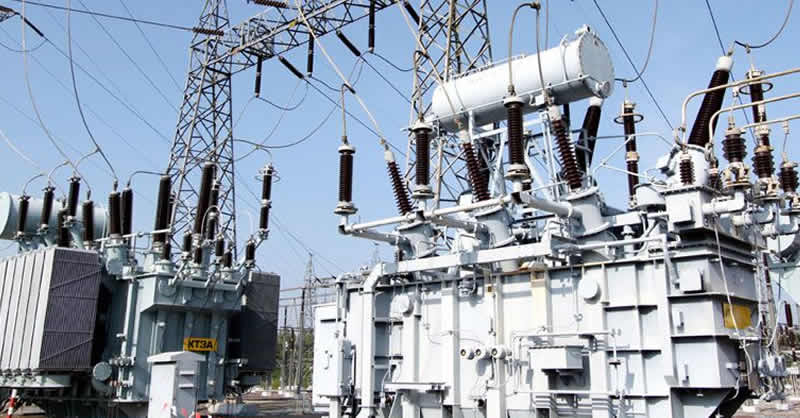
The Federal Government of Nigeria has clarified that there is no immediate plan to remove electricity subsidies or increase tariffs, following reports that subsidies in the power sector could be phased out from 2027.
The clarification followed comments attributed to the Minister of Power, Joseph Tegbe, who reportedly spoke about plans to address what the government described as distortions in the electricity sector as part of its broader reforms aimed at ensuring its financial sustainability.
However, the government subsequently distanced itself from suggestions that an immediate subsidy removal or tariff increase had been approved.
The minister later clarified that there was currently no policy decision to increase electricity tariffs or remove subsidies, stressing that the government’s immediate priorities were to improve power supply, expand metering, strengthen the transmission network, and stabilise the national grid.
The development has nevertheless generated debate among political analysts, electricity experts, and consumers, particularly over what some described as frequent policy reversals by the government.
It’s a political decision – Prof Fagge
Professor Kamilu Sani Fagge, a political scientist at the Bayero University Kano, told DAILY POST that the government’s decision to step back from the subsidy discussion could be politically motivated.
“This withdrawal of the subsidy discussion is simply political. After the election, you may hear about it again,” Fagge said.
“The burden has become too much for ordinary Nigerians, and maybe that is why the government has decided to hold back for now. But I do not believe the proposal has disappeared permanently.”
Fagge believes that citizens have significant power to influence government policies but often fail to exercise it effectively.
“People have the power to take action against policies introduced by their leaders, but many do not realise it,” he said.
“If a politician knows that remaining in office depends on how satisfied the people are with his performance, he will certainly be more careful. When you see democracy working effectively, it is because the people themselves have stood firm,” said the professor.
Meanwhile, some experts in the electricity sector are of the opinion that removing subsidies would not necessarily translate into improved power supply.
They pointed to Nigeria’s experience following the removal of petrol subsidy, arguing that higher prices do not automatically guarantee improved availability or service delivery.
Electrical expert, Engr Jaafar Sulaiman, told DAILY POST that removing electricity subsidies without addressing fundamental problems in the power sector could simply result in consumers paying more.
“Even if the subsidy is removed, it does not mean Nigerians will automatically get more electricity. What will certainly happen is that the cost of electricity will increase.
“Improving electricity supply depends on addressing several important issues. Electricity is like blood in the human body; once it is generated, it has to be transmitted and used efficiently,” Sulaiman said.
According to him, financing remains an important component of electricity sector reform, but money alone cannot solve the industry’s challenges.
“Finance is an important part of providing electricity, but it is not the only factor,” he said.
“On the issue of electricity subsidy itself, some experts even question how it is calculated and applied. The subsidy debate became more prominent as electricity tariffs increased.”
Kano businesses complain over unreliable electricity
For many small business owners in Kano, however, the debate over subsidies is secondary to the daily challenge of accessing reliable electricity.
Sa’idu Bala Mainkanti, who sells cold drinks and other refrigerated products in Naibawa, Kano State, told DAILY POST that electricity is often supplied when businesses have already closed for the day.
“Sometimes electricity comes around midnight or 1 a.m., when we have already closed our shops and gone home,” Bala said.
“For those of us whose businesses operate during the daytime, what benefit does that electricity provide?”
He said some traders leave their refrigerators switched on overnight so that their products could remain cold until morning, stating that many stopped the practice because of safety concerns.
“There are traders I know who used to leave their electricity switched on, lock their shops, and go home. By morning, their refrigerators would be very cold, sometimes even producing ice.
“But people became afraid after electricity caused a fire at a shop during the night, and everything inside was completely burnt.
We have given up on electricity – Hairdresser
Fatima Abdul, who runs a hairdressing business in Tudun Yola, Kano, said unreliable supply and rising electricity bills had forced her business to depend largely on a petrol-powered generator.
“We have practically given up on electricity because it is expensive and still does not meet our needs,” she told DAILY POST.
“We now depend on a generator. At the end of the month, they may bring us a bill of ₦10,000 or even more, yet we do not receive anything close to 24-hour electricity.
“When it comes to this government, you hardly know whom to hold accountable. Today, one thing is said, and tomorrow, someone else comes out to say something different, and they are all part of the same government. There is constant back-and-forth,” she said.
“We, the ordinary people, have become mere spectators. It seems we are only useful during elections; once the elections are over, we are left to deal with whatever comes our way. But if the lives and well-being of every Nigerian were truly taken seriously, the government should seek our views and involve us before making any policy that will affect our lives,” Fatima complained.
IMF previously recommended full electricity subsidy removal
The debate comes against the backdrop of previous recommendations by the International Monetary Fund (IMF) concerning Nigeria’s electricity subsidies.
In February 2024, the IMF advised the administration of President Bola Ahmed Tinubu to phase out electricity subsidies as part of measures aimed at reducing pressure on government finances.
The recommendation formed part of broader concerns over the country’s fiscal position and the financial burden associated with government subsidies.
However, with Nigerians already grappling with higher living and business costs, the latest controversy has renewed questions over how the government can balance financial reforms with affordable and reliable electricity.
For small businesses such as Mainkanti and Fatima, the central concern remains straightforward; whether they will receive enough electricity to run their businesses and whether they will be able to afford it.
You may like
Breaking News
Breaking: Nigerian Workers Demand N300,000 Minimum Wage, FG Faces Fresh Salary Pressure
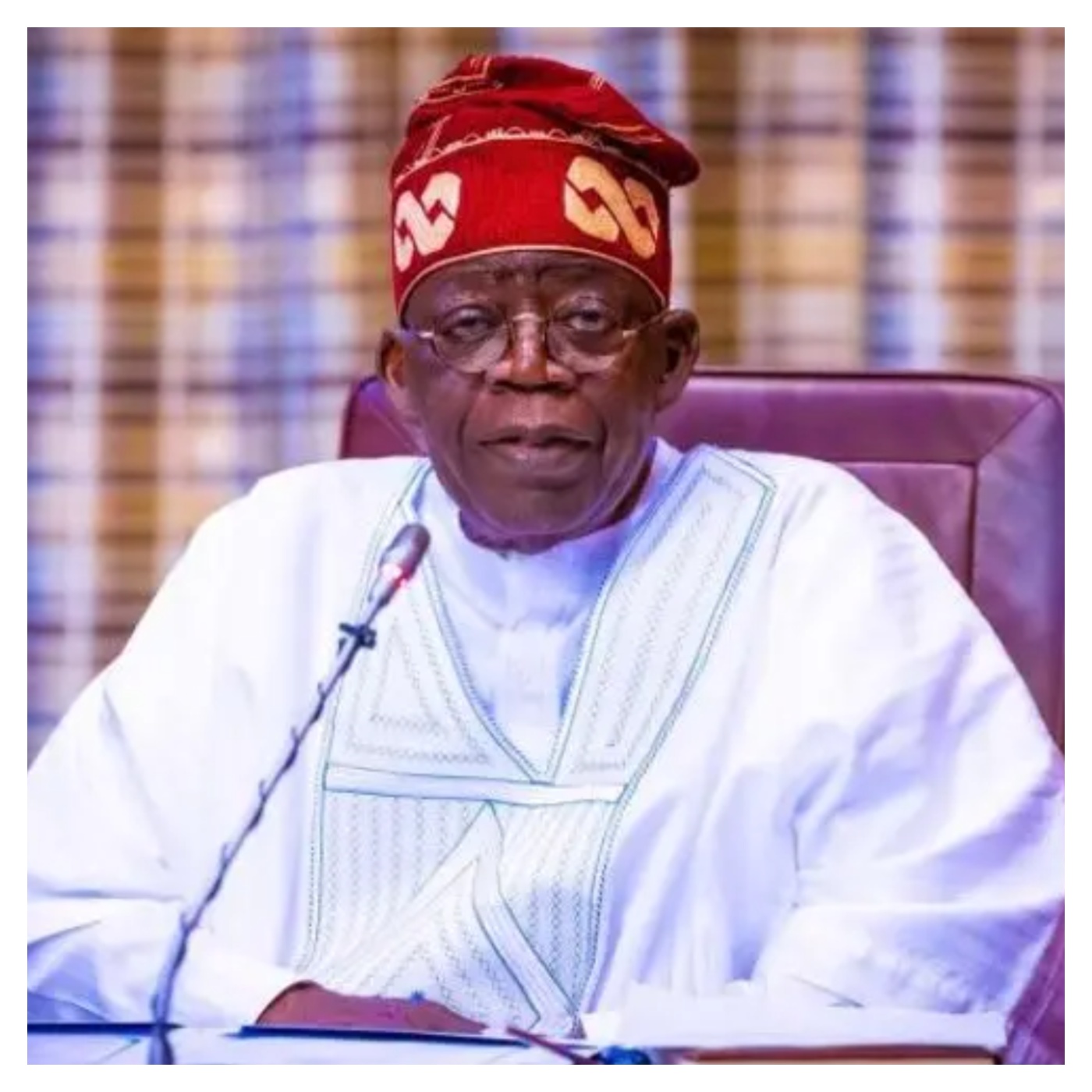
The Federal Workers Forum, FWF, has demanded an immediate increase in the federal minimum wage from N70,000 to N300,000, noting that the current salary structure can no longer sustain civil servants amid Nigeria’s rising cost of living.
The Forum made the demand in a letter dated September 2, 2026, addressed to President Bola Ahmed Tinubu and the National Assembly, with the Senate President, Speaker of the House of Representatives, Chief Justice of Nigeria and Head of the Civil Service of the Federation listed among the recipients.
The workers also proposed a new salary structure that would place the highest-paid Level 17 officer on a monthly salary of N1.5 million, while Level 1 Step 1 workers would earn N300,000.
“We call for justice and immediate wage review now, adjust the federal minimum wage to N300,000 and a maximum wage of N1.5m for the Level 17 officers,” the Forum said.
Recommended
The FWF argued that the Federal Government had not fully implemented the 2024 minimum wage agreement, claiming that federal workers had yet to receive the full consequential adjustment and associated allowances.
“It will surprise you to hear that the Federal Government has not fully implemented the new national minimum wage since July 2024. We have been in the battle for full consequential adjustment of the new minimum wage,” it said.
Recall that the Nigeria Labour Congress, NLC, in August 2026, demanded an upward review of the minimum wage to N500,000.
In July 2024, President Bola Tinubu’s government increased the minimum wage to N70,000 per month from N30,000.
However, the cost of living for many Nigerians has tripled between 2024 and 2026.
You may like
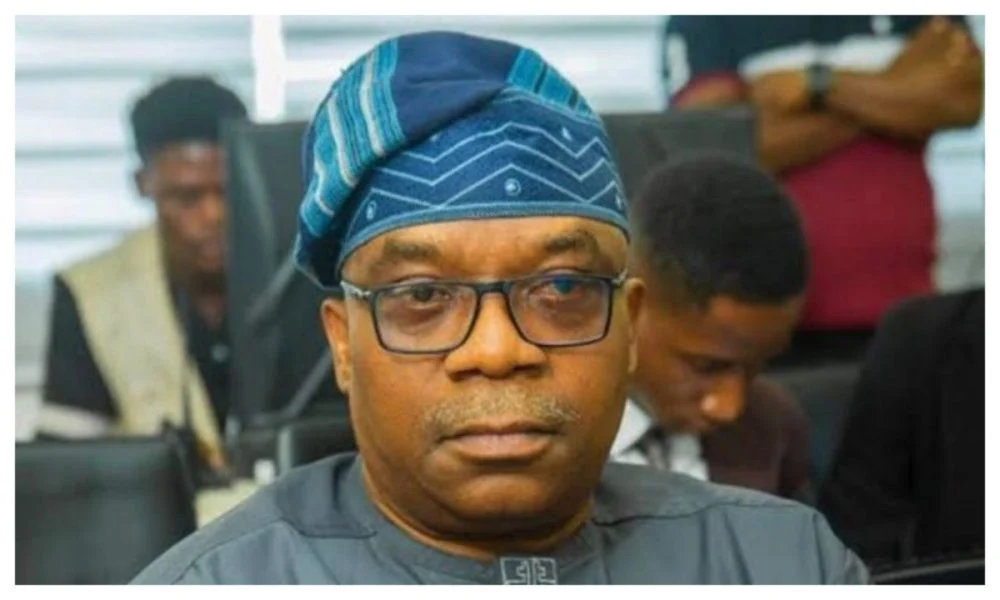
The Federal Government has said Nigeria will never support a military coup or any unconstitutional change of government, following claims that the country backed a failed coup attempt in the Niger Republic.
The Minister of State for Foreign Affairs, Sola Enikanolaiye, made this known in a statement issued on Thursday.
According to the statement, the claims circulating on social media are baseless and misleading.
Enikanolaiye said Nigeria remained committed to democracy, constitutional rule and political stability in West Africa and would not support any attempt to remove a government through unconstitutional means.
Recommended
“Nigeria will never support illegality or unconstitutional change of government anywhere, no matter who is involved or which country is concerned,” he said.
The minister also rejected claims that Nigeria, through its membership of the Economic Community of West African States (ECOWAS), supported or endorsed the military takeover in Niger.
He said the Federal Government had already stated its position on the situation in Niger in an earlier statement issued by the Ministry of Foreign Affairs on August 30, 2026.
According to him, Nigeria remains deeply concerned about developments in Niger and wants the country to return peacefully to stability and constitutional order.
Enikanolaiye said Nigeria’s close historical, cultural and fraternal ties with Niger made peace and stability in the neighbouring country particularly important.
“Nigerians at home and abroad should disregard the videos and narratives circulating online, they are intended to create confusion and tarnish Nigeria’s image,” the statement said.
You may like
-

 Breaking News11 months ago
Niger Delta Group hails Tinubu, NUPRC for ₦373bn host community fund and 536 life-changing projects
-

 Breaking News10 months ago
Ex-EFCC Exhibit Keeper Kaduna Zonal Directorate, Allegedly Steals ₦22m
-

 Breaking News10 months ago
Terrorists Want ₦2m ‘levy’ in Katsina Community Despite Peaceful Agreement
-

 Business5 months ago
BREAKING NEWS: Zenith Bank Rewards Investors with ₦410.69bn Dividend at AGM
-

 Breaking News4 months ago
DEFAMATION OF CHARACTER: SERAP On Appeal Against The ₦100m Judgment In Favour of DSS Officials
-

 Breaking News4 months ago
Plaintiff To Pay ₦1m Fines For Delay In Jonathan Eligibility Suit
-

 Breaking News9 months ago
Breaking News: Nigerian Air Force Reportedly Kills 750 Terrorists in Borno State
-

 Business11 months ago
House of Representatives probes $35m modular refinery project