
Business
Grievances As Nigerian National Grid Collapses Again

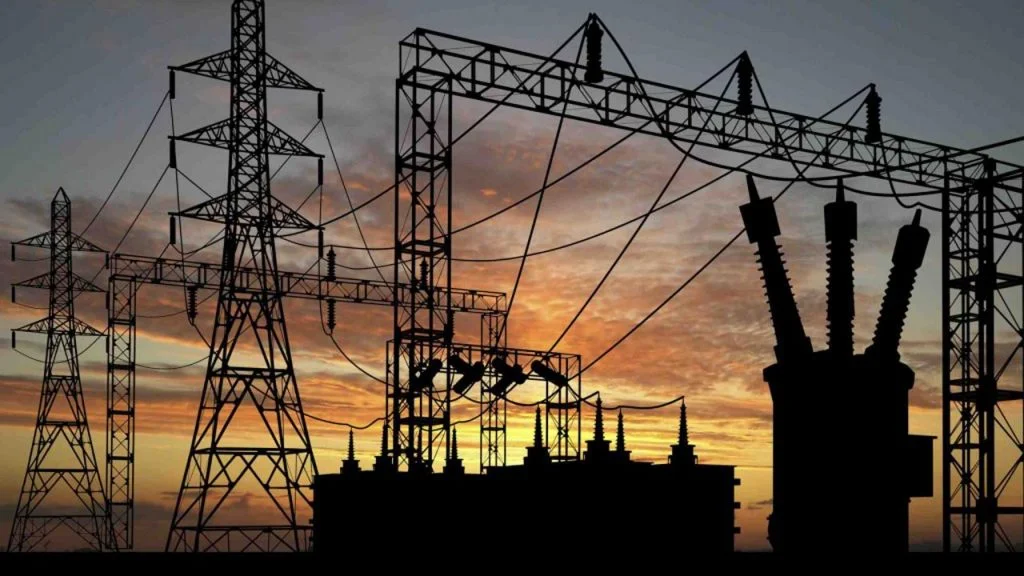
Nigerians have lashed out at the Federal Government over what they described as the embarrassing constant collapse of the national grid.
DAILY POST reports that Nigeria’s national electricity grid suffered a total collapse on Friday, plunging parts of the country into blackout in the first such incident recorded in 2026.
According to the figures from the Nigerian Independent System Operator, NISO, power generation fell to zero megawatts, while electricity supply to all 11 distribution companies dropped completely by about 1 p.m.
NISO disclosed that the affected distribution firms include Benin, Eko, Enugu, Ikeja, Jos, Kaduna, Kano, Port Harcourt, Ibadan, Abuja and Yola, all of which recorded zero load allocation at the time of the collapse.
A cross-section of Nigerians, who spoke to DAILY POST on the development, said the regular collapse of the national grid is a national embarrassment.
Speaking to DAILY POST, a Nigerian, Paul Igbashangev said it was quite disheartening that Nigeria had continued to experience this very often.
He said: “It’s quite unfortunate that our country at this level is always talking of national grid collapsing. The frequent grid collapse is a concern, and we are hoping the authorities will find a lasting solution soon. It is affecting businesses and households alike.”
Another Nigerian, Iwuchukwu Ike, said nothing is working under this administration, lamenting that since coming on board of the administration, it has been from one drama to another.
“The national grid has collapsed again? It’s quite painful that this thing is collapsing on every eke market day.
“I could remember how Peter Obi went to Egypt to see how they’re getting it right. APC supporters mocked him. Now see us see Disco,” he said.
On his part, Ngozi Ikechukwu, said it is too much to bear the current economic hardship.
“See what these people who promised us heaven on earth are doing to us. How can we be battling with national grid collapse when the year has just started?” She queried.
Also speaking, Mustapha Audu said that the Federal Government should adopt the Compress Natural Gas, CNG, to put an end to the constant collapse of the national grid.
“I think what the Federal Government should do is to get a CNG electricity conversion solution to this national grid collapse. A country of 200 million people having a nationwide blackout without a natural disaster like a hurricane? A shame of a nation,” he said.
According to another respondent, Adamu Yusuf, some people are playing politics with the national grid for their selfish purposes.
He said: “There is nothing serious about the frequent collapse of the national grid. Some group of persons are just playing politics with it to make money
“National grid is something that is supposed to take years before collapsing, but it has become business as usual and nobody is asking them.”
On his part, Adah Joseph said the regular collapse of the national grid affects the national economy, causing a decline in the country’s Gross Domestic Product, GDP.
“It’s rather unfortunate that the devastating effects of the constant collapse of the national grid has continued.
“This also affects individual businesses of different kinds, especially food related businesses that need constant power supply for the use of refrigerators.
“And as it also affects Nigerians in different aspects, including health facilities.
“It is high time, therefore, that the government included our power sector amongst topmost priorities to end this embarrassment,” he posited.
In the same vein, Augustine Oyiwona urged the government to invest massively in new transmission lines and substations, stressing that most of them are more than 40 to 50 years
He said: “Manual systems should be replaced with a modern real time grid monitoring system. Transmission Company of Nigeria,TCN, should be run like a technical utility and not a ministry desk.
“As passed by the National Assembly and signed into law, the state governments should legally be made to generate, transmit and distribute power.”
According to another respondent, Paul Igbadi, “To me, it is like total negligence on the side of our government.”
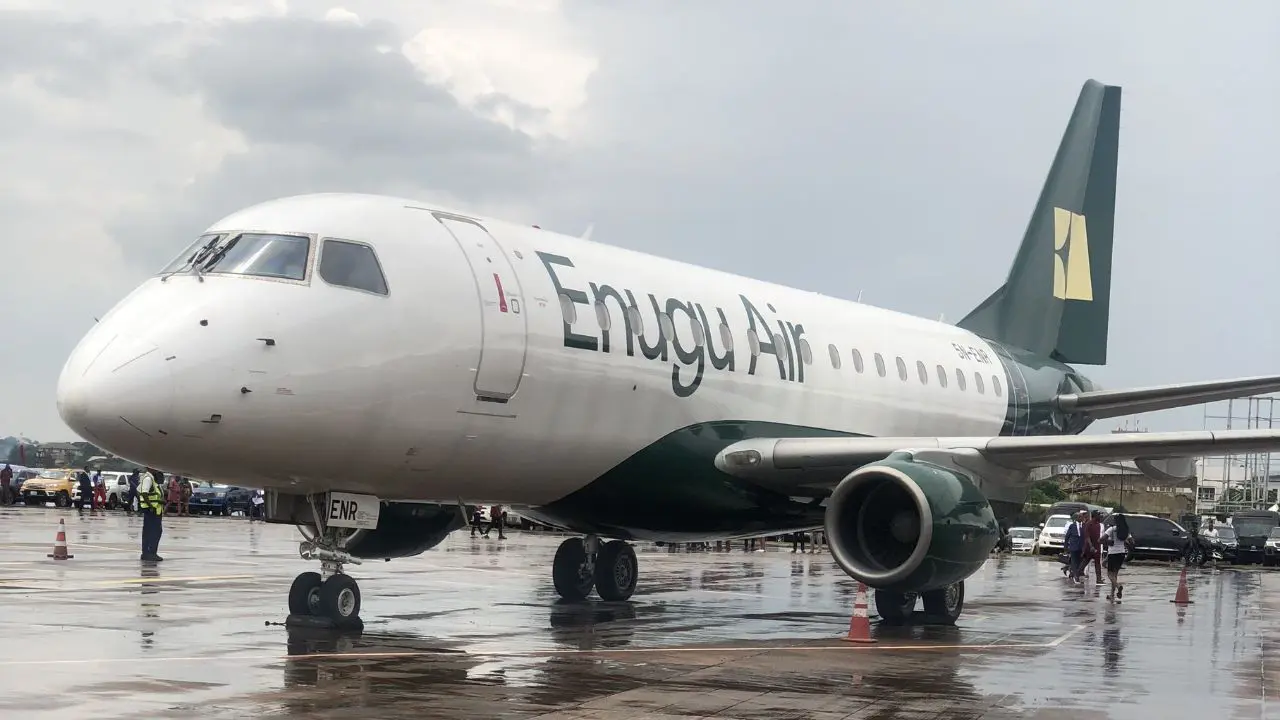
An aircraft belonging to Enugu Air has crashed at Benin City airport in Edo State.
The incident reportedly occurred on Thursday afternoon.
A video of the incident was shared on social media by an X user identified as @Oyindamola
“Enugu Air aircraft crash lands in Benin Airport this afternoon,” the X user wrote.
DAILY POST reports that the Enugu Air is owned and operated by the Enugu State government.
There’s was no official statement on the matter by the aviation authorities at the time of filing in this report.
Watch video.…For more, Complete your reading.
The Nigerian National Petroleum Company Limited, NNPCL, has increased the pump price of Premium Motor Spirit, PMS at its retail outlets for the second time in less than two days.
A market survey by DAILY POST showed that NNPCL raised its petrol price to N1,335 per litre on Wednesday from N1,270 per litre on Tuesday.
This means that the state-owned filling station increased its fuel price by N65 per litre.
The new price has been implemented at NNPCL filling stations in Wuse Zone 6 (Berger), Zone 4, and other outlets in Abuja and its environs.
Recall that on Tuesday, NNPCL increased its petrol pump price by N115 per litre to N1,270 per litre.
The latest increase comes amid continued petrol price volatility in the country’s downstream oil sector following Dangote Refinery’s resumption of the sale of refined petroleum products in U.S. dollars.
DAILY POST reports that crude oil prices rose by nearly 4 percent on Wednesday as airstrikes intensified in the Middle East.…For more, Complete your reading.
-

 Breaking News8 months ago
Terrorists Want ₦2m ‘levy’ in Katsina Community Despite Peaceful Agreement
-

 Breaking News8 months ago
Ex-EFCC Exhibit Keeper Kaduna Zonal Directorate, Allegedly Steals ₦22m
-

 Breaking News9 months ago
Niger Delta Group hails Tinubu, NUPRC for ₦373bn host community fund and 536 life-changing projects
-

 Business9 months ago
House of Representatives probes $35m modular refinery project
-

 Breaking News7 months ago
Breaking News: Nigerian Air Force Reportedly Kills 750 Terrorists in Borno State
-

 Business3 months ago
BREAKING NEWS: Zenith Bank Rewards Investors with ₦410.69bn Dividend at AGM
-

 Breaking News9 months ago
UCL: Osimhen Statement after Galatasaray’s 3-1 Win over Bodo/Glimt
-

 Breaking News7 months ago
Nasarawa Insecurity: Suspects Apprehended, Man Hunt Ongoing – Gov Sule