
Breaking News
Central Bank of Nigeria CBN Has Cautioned Non-interest Banks

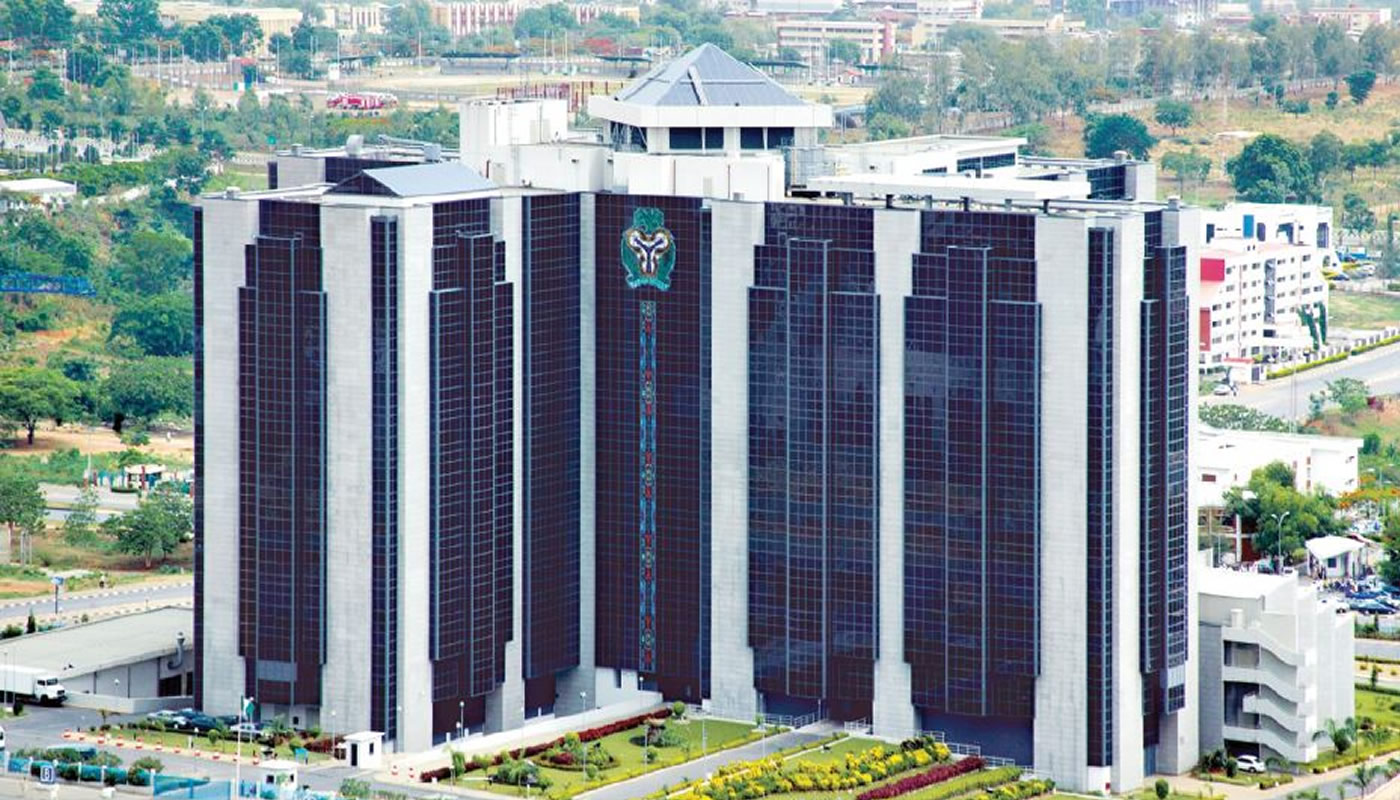
The Central Bank of Nigeria has warned non-interest financial institutions against governance and compliance risks capable of undermining public confidence and financial stability in the country’s growing Islamic finance sector.
The warning was contained in a press statement issued by the apex bank on Monday following the 2nd Annual Interactive Session between the CBN Financial Regulation Advisory Council of Experts and the Advisory Committees of Experts of Non-Interest Financial Institutions held at the CBN Auditorium in Abuja.
Speaking through the Director of the Financial Policy and Regulation Department, Dr Rita Sike, the Deputy Governor, Financial System Stability, Philip Ikeazor, said the rapid expansion of the industry had increased exposure to operational and regulatory vulnerabilities.
The statement read, “The Deputy Governor, however, observed that as the industry grows in size, sophistication, and interconnectedness, it faces unique risks, particularly non-compliance risk, governance challenges, operational vulnerabilities, and emerging technological risks.
“He warned that such risks, if not properly managed, could undermine public confidence, financial stability, and the overall credibility of the non-interest finance ecosystem.”
According to the CBN, the engagement was part of ongoing efforts to strengthen Shariah governance, improve regulatory clarity, and reinforce risk management standards within the non-interest financial services industry.
The apex bank noted that non-interest financial institutions continued to play an increasingly important role in Nigeria’s financial system by providing ethical and Shariah-compliant alternatives to conventional banking.
It stated that the institutions were also contributing to financial inclusion, real sector financing, micro, small, and medium enterprises development, and shared prosperity.
The CBN further explained that the establishment of FRACE and the mandatory constitution of ACEs across all non-interest financial institutions were designed to institutionalise a harmonised governance framework for the sector.
According to the statement, sustained interaction between FRACE and ACEs remained critical to ensuring that regulatory expectations were properly understood and consistently implemented across the industry.
Related News
“The objectives of today’s session include fostering the institutionalisation and effective operation of a robust Shariah governance system within Non-Interest Financial Institutions, and providing a structured platform for dialogue, knowledge-sharing, and collaboration,” Ikeazor was quoted in the statement.
In his remarks, the Deputy Chairman of FRACE, Prof Bashir Umar, said the interactive session was aimed at strengthening governance within the non-interest finance sub-sector and promoting constructive engagement between regulators and industry advisory committees.
He also commended the management of the CBN for reviving the session, which was first introduced in 2014.
Earlier in her welcome remarks, Sike reaffirmed the apex bank’s commitment to building a strong and well-governed non-interest financial services industry.
She noted that the growing diversity of products and delivery channels, particularly the emergence of Islamic fintech, had increased the need for stronger regulatory oversight and continuous engagement among industry stakeholders.
“The growing diversity of products, institutions, and delivery channels, particularly with the emergence of Islamic fintech, underscores the need for continuous dialogue, sound regulatory oversight, and robust advisory input from scholars and practitioners,” she said.
The session featured technical presentations on Shariah non-compliance risks in non-interest banks and the role of Islamic fintech in driving financial inclusion.
Participants at the event included members of FRACE, chairmen and members of various ACEs, managing directors of non-interest banks, senior CBN officials, and representatives of the Bank of Industry and the Securities and Exchange Commission.
The PUNCH earlier reported that experts in Nigeria’s non-interest finance space called for larger and more frequent Sukuk issuances to deepen the market, unlock long-term capital for infrastructure, and widen financial inclusion, as volatility in global markets pushes investors towards asset-backed and ethical instruments.

DETAILS:
2008 TOYOTA CAMRY;
AUTOMATIC;
READY FOR A DRIVE HOME
PRICE: 7MILLION NAIRA ONLY
AVAILABLE FOR INSPECTION AT ALAGBAKA, AKURE
CALL OR WHATSAPP US ON: 07058116666, 09011000444. for other properties such as lands, houses etc.
EMAIL: karisworthy@gmail.com
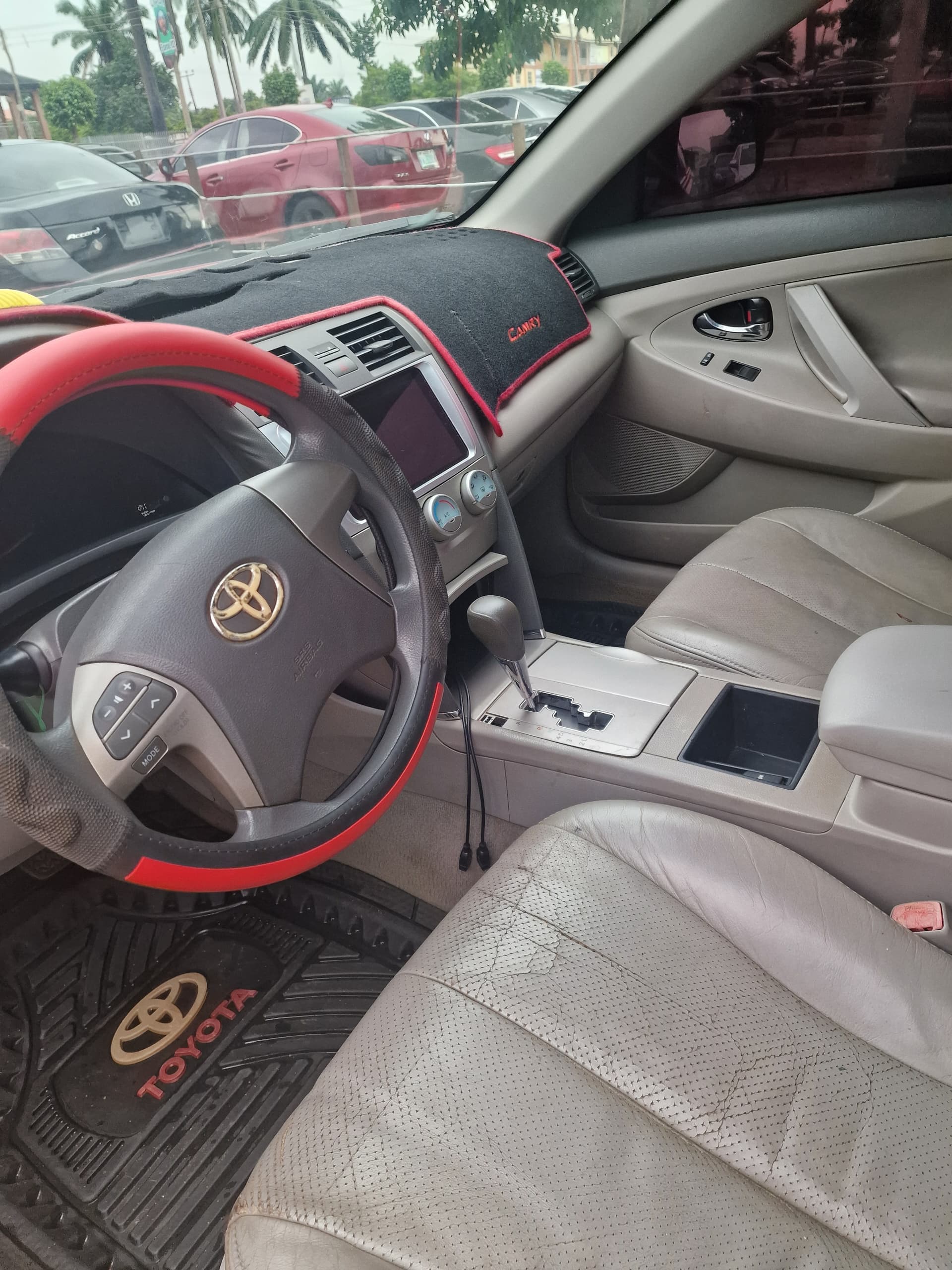
DETAILS:
USED 2008 TOYOTA CAMRY;
AUTOMATIC;
READY FOR A DRIVE HOME
PRICE: 7MILLION NAIRA ONLY
AVAILABLE FOR INSPECTION AT ALAGBAKA, AKURE
CALL OR WHATSAPP US ON: 07058116666, 09011000444. for other properties such as lands, houses etc.
EMAIL: karisworthy@gmail.com
-

 Breaking News11 months ago
Niger Delta Group hails Tinubu, NUPRC for ₦373bn host community fund and 536 life-changing projects
-

 Breaking News10 months ago
Ex-EFCC Exhibit Keeper Kaduna Zonal Directorate, Allegedly Steals ₦22m
-

 Breaking News9 months ago
Terrorists Want ₦2m ‘levy’ in Katsina Community Despite Peaceful Agreement
-

 Business11 months ago
House of Representatives probes $35m modular refinery project
-

 Breaking News8 months ago
Breaking News: Nigerian Air Force Reportedly Kills 750 Terrorists in Borno State
-

 Business4 months ago
BREAKING NEWS: Zenith Bank Rewards Investors with ₦410.69bn Dividend at AGM
-

 Breaking News4 months ago
Plaintiff To Pay ₦1m Fines For Delay In Jonathan Eligibility Suit
-

 Breaking News4 months ago
DEFAMATION OF CHARACTER: SERAP On Appeal Against The ₦100m Judgment In Favour of DSS Officials