
Breaking News
Breaking: It’s Not Easy, Surrogate Mother Shares Emotional Journey


A masked Nigerian surrogate mother has opened up about how financial hardship and what she described as an irresponsible partner led her to become a surrogate, saying the decision came after the loss of her second child.
The woman disclosed this during a new episode on Cruise TV published on YouTube on Sunday, where she recounted the emotional, financial and psychological realities of carrying children for other families.
She said becoming a surrogate was one of the hardest decisions she had ever made, describing the emotional attachment that develops during pregnancy despite knowing the child does not belong to her.
“Emotionally it’s not easy. Even when I started the journey, when the pregnancy was three months, I called my nurse that I don’t think I can cope again because it’s not easy to carry what is not yours.
“When you start having the emotional attachment, you keep reminding yourself that this is not mine. I tell myself it is a job, and that helps me cope, but the emotions still come and go.”
The woman explained that she became a gestational surrogate through IVF, meaning she had no biological connection to the babies she carried.
Speaking on what pushed her into surrogacy, she said her partner failed to provide for the family despite her efforts to support them.
“I had my first child. Unfortunately, my husband is not the person that is hardworking and he doesn’t take responsibility. I do work. There is no work I cannot do.
“When I became pregnant the second time, I could no longer work. We couldn’t even afford hospital bills.”
She said complications during the pregnancy eventually led to the death of the baby, an experience that changed her outlook.
“That baby died, and that was the reason I made that decision. Instead of giving him another baby, I would rather help people who have the money to take care of me.
Related News
VIDEO: Lagos to profile, repatriate 396 beggars arrested in sanitation sweep
US Consulate, FBI seek stronger EFCC ties on sextortion
My ambassadorial appointment a divine opportunity to serve — Fani-Kayode
“If you don’t have the money to care for my health, I won’t do it for you.”
She disclosed that she initially declined financial compensation beyond medical care, accommodation and allowances, a decision she now regrets.
“I told them I didn’t want any compensation aside from the process, monthly allowance, wardrobe allowance and accommodation fee, but that was a mistake.
“I won’t do it again,” she said.
The surrogate mother also said she would not encourage her daughter to follow the same path because of the emotional and health risks involved.
“I cannot advise my daughter to be a surrogate.”
She added that she relocated during one of her pregnancies to avoid stigma and often told people the baby had died whenever they asked questions.
According to her, surrogate mothers also face psychological challenges after delivery despite undergoing counselling before and after childbirth.
While acknowledging that surrogacy has helped many couples struggling with infertility, she maintained that the process is far more demanding than many people realise.
“Surrogacy is not as simple as people think.”
She called for stronger regulation of the practice to protect surrogate mothers from exploitation and ensure adequate emotional and financial support.
Breaking News
Breaking: Nigerian Workers Demand N300,000 Minimum Wage, FG Faces Fresh Salary Pressure
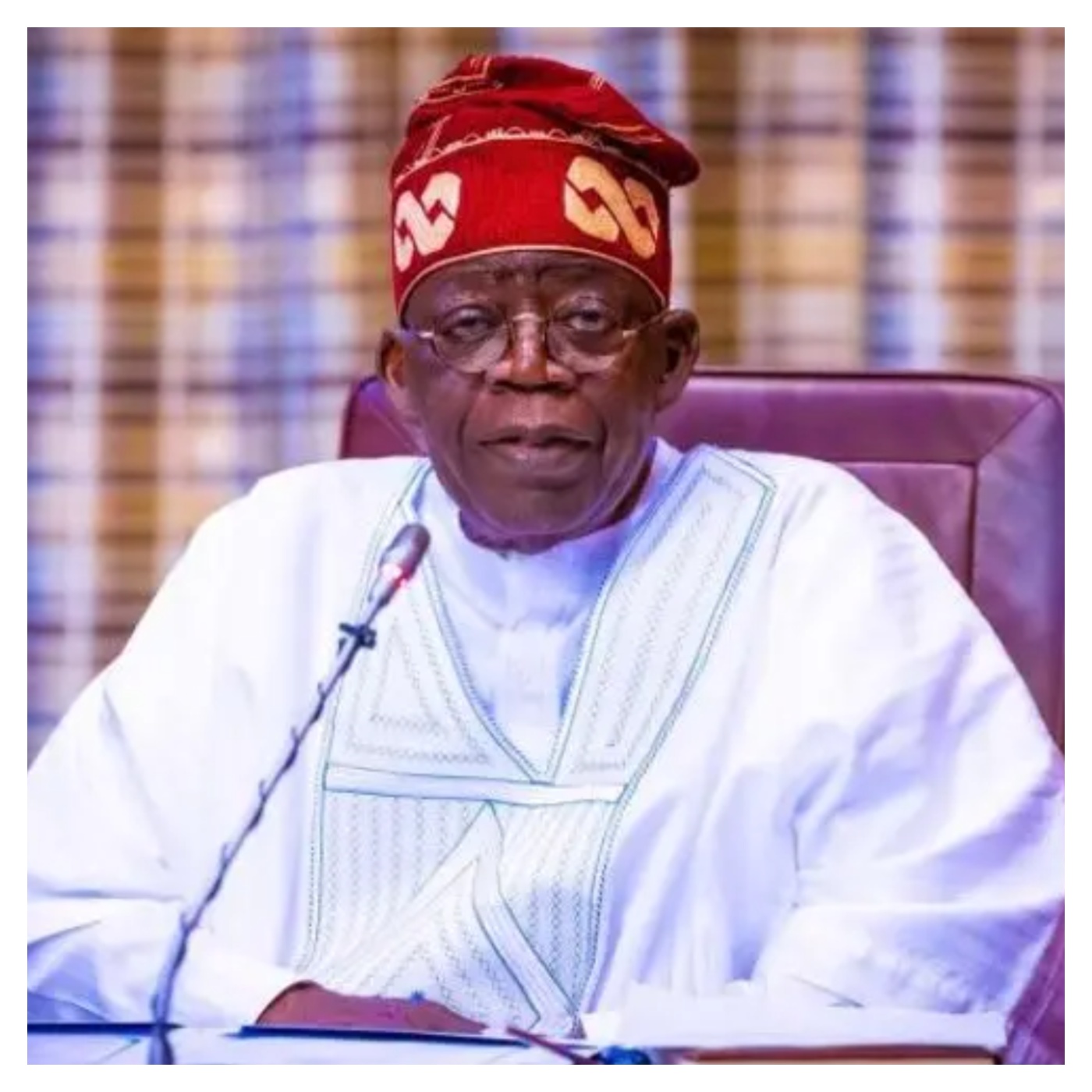
The Federal Workers Forum, FWF, has demanded an immediate increase in the federal minimum wage from N70,000 to N300,000, noting that the current salary structure can no longer sustain civil servants amid Nigeria’s rising cost of living.
The Forum made the demand in a letter dated September 2, 2026, addressed to President Bola Ahmed Tinubu and the National Assembly, with the Senate President, Speaker of the House of Representatives, Chief Justice of Nigeria and Head of the Civil Service of the Federation listed among the recipients.
The workers also proposed a new salary structure that would place the highest-paid Level 17 officer on a monthly salary of N1.5 million, while Level 1 Step 1 workers would earn N300,000.
“We call for justice and immediate wage review now, adjust the federal minimum wage to N300,000 and a maximum wage of N1.5m for the Level 17 officers,” the Forum said.
Recommended
The FWF argued that the Federal Government had not fully implemented the 2024 minimum wage agreement, claiming that federal workers had yet to receive the full consequential adjustment and associated allowances.
“It will surprise you to hear that the Federal Government has not fully implemented the new national minimum wage since July 2024. We have been in the battle for full consequential adjustment of the new minimum wage,” it said.
Recall that the Nigeria Labour Congress, NLC, in August 2026, demanded an upward review of the minimum wage to N500,000.
In July 2024, President Bola Tinubu’s government increased the minimum wage to N70,000 per month from N30,000.
However, the cost of living for many Nigerians has tripled between 2024 and 2026.
You may like
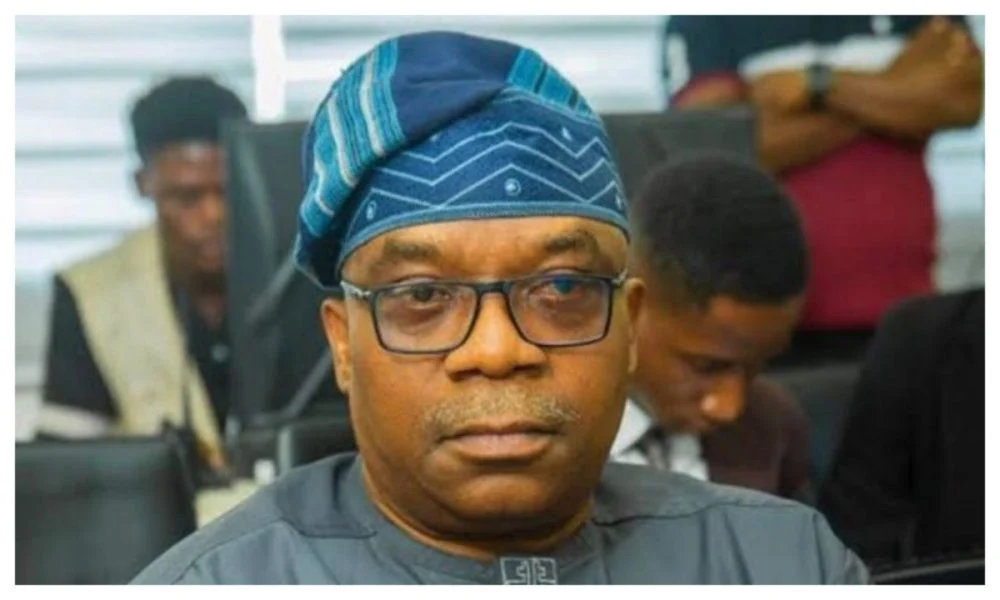
The Federal Government has said Nigeria will never support a military coup or any unconstitutional change of government, following claims that the country backed a failed coup attempt in the Niger Republic.
The Minister of State for Foreign Affairs, Sola Enikanolaiye, made this known in a statement issued on Thursday.
According to the statement, the claims circulating on social media are baseless and misleading.
Enikanolaiye said Nigeria remained committed to democracy, constitutional rule and political stability in West Africa and would not support any attempt to remove a government through unconstitutional means.
Recommended
“Nigeria will never support illegality or unconstitutional change of government anywhere, no matter who is involved or which country is concerned,” he said.
The minister also rejected claims that Nigeria, through its membership of the Economic Community of West African States (ECOWAS), supported or endorsed the military takeover in Niger.
He said the Federal Government had already stated its position on the situation in Niger in an earlier statement issued by the Ministry of Foreign Affairs on August 30, 2026.
According to him, Nigeria remains deeply concerned about developments in Niger and wants the country to return peacefully to stability and constitutional order.
Enikanolaiye said Nigeria’s close historical, cultural and fraternal ties with Niger made peace and stability in the neighbouring country particularly important.
“Nigerians at home and abroad should disregard the videos and narratives circulating online, they are intended to create confusion and tarnish Nigeria’s image,” the statement said.
You may like
-

 Breaking News12 months ago
Niger Delta Group hails Tinubu, NUPRC for ₦373bn host community fund and 536 life-changing projects
-

 Breaking News11 months ago
Ex-EFCC Exhibit Keeper Kaduna Zonal Directorate, Allegedly Steals ₦22m
-

 Breaking News10 months ago
Terrorists Want ₦2m ‘levy’ in Katsina Community Despite Peaceful Agreement
-

 Business5 months ago
BREAKING NEWS: Zenith Bank Rewards Investors with ₦410.69bn Dividend at AGM
-

 Breaking News5 months ago
DEFAMATION OF CHARACTER: SERAP On Appeal Against The ₦100m Judgment In Favour of DSS Officials
-

 Breaking News5 months ago
Plaintiff To Pay ₦1m Fines For Delay In Jonathan Eligibility Suit
-

 Breaking News4 months ago
Ogun Police Command Foils Plan To Kidnap Chinese National, Arrest 2 Over ₦50m Ransom Plan
-

 Breaking News2 months ago
Osun Dismisses EFCC’s ₦11b Alleged Looting, Says Action Illegal