
Breaking News
SERAP Urges Tinubu To Urgently Probe N26.9bn ‘Missing’ From USPF

The Socio-Economic Rights and Accountability Project has urged President Bola Ahmed Tinubu to order an urgent investigation into alleged missing or diverted ₦26.9 billion from the Universal Service Provision Fund, calling for top officials in the communications sector to account for the funds.
SERAP, in a statement made available to PUNCH Online on Sunday, said the President should direct the Minister of Communications, Innovation and Digital Economy, Dr Bosun Tijani, and the Secretary of the USPF, Yomi Arowosafe, to “account for and explain the whereabouts of the alleged missing or diverted ₦26.9 billion of public funds from USPF.”
The group also asked the Attorney General of the Federation, Lateef Fagbemi (SAN), and anti-corruption agencies to investigate the allegations, insisting that “anyone suspected to be responsible should face prosecution as appropriate, if there is sufficient admissible evidence.”
In a letter dated May 9, 2026 and signed by SERAP deputy director Kolawole Oluwadare, the organisation said the allegations were drawn from the Auditor-General’s report published on September 9, 2025.
“The USPF is vital to expanding telecommunications access in underserved and rural communities,” SERAP said, adding that any diversion of funds would “directly undermine its mandate to bridge the digital divide, support infrastructure development, and promote inclusive connectivity.”
It warned that the reported financial irregularities pointed to deeper governance concerns, stating that “these allegations, which include unaccounted expenditures, failure to remit public funds, irregular contract awards, and payments for services not rendered, point to serious breaches of public trust.”
SERAP further stressed that failure to act would have national consequences, saying, “any failure to investigate the allegations and recover any missing or diverted public funds would not only deprive Nigerians of essential services but also frustrate national development objectives.”
The organisation added that the impact would be felt most in underserved communities, stating, “the alleged diversion or mismanagement of public funds from the USPF has far-reaching consequences for millions of Nigerians, particularly those in underserved and rural communities.”
According to SERAP, poor telecom access affects more than infrastructure, as “poor access to reliable and affordable internet connectivity directly affects Nigerians’ ability to exercise a range of fundamental human rights.”
It added that internet access is now central to daily life, saying it “is increasingly recognised as an enabler of the rights to freedom of expression, access to information, education, and participation in public affairs.”
SERAP warned that continued failure to ensure accountability would worsen inequality, noting that “without adequate connectivity, millions of Nigerians are effectively excluded from civic participation, economic opportunities, and essential services.”
The group concluded that transparency in the management of the fund is critical, stating that “ensuring transparency and accountability in the management of USPF funds is therefore not only a matter of financial probity but also a critical step toward safeguarding and promoting the human rights and dignity of all Nigerians.”
It also warned of possible legal action, saying, “We would be grateful if the recommended measures are taken within 7 days… if we have not heard from you by then, SERAP shall consider appropriate legal actions to compel compliance.”
The Auditor-General’s report cited in the letter also raised several concerns, including alleged failure to remit over ₦13.8 billion in operating surplus and fears that “the money 6may have been diverted.”
It further questioned international training expenses during the COVID-19 lockdown, noting that “there was total lockdown… yet, payments were made for these trips without any documents,” while also alleging that “the money may have been diverted.”
On contract awards worth over ₦2.8 billion, the report stated that they were issued “without any approval,” adding that the Auditor-General was concerned they “may have resulted in the loss of public funds.”
The report also flagged alleged irregular payments, including ₦8 million paid to a non-existent fund manager, with concerns that “the payments may be for services not rendered.”
SERAP anchored its demand on constitutional provisions, stating that “Section 15(5) imposes the responsibility on your government to abolish all corrupt practices and abuse of power,” while also citing international anti-corruption treaties requiring “effective, proportionate and dissuasive sanctions” in cases of grand corruption.

DETAILS:
2008 TOYOTA CAMRY;
AUTOMATIC;
READY FOR A DRIVE HOME
PRICE: 7MILLION NAIRA ONLY
AVAILABLE FOR INSPECTION AT ALAGBAKA, AKURE
CALL OR WHATSAPP US ON: 07058116666, 09011000444. for other properties such as lands, houses etc.
EMAIL: karisworthy@gmail.com
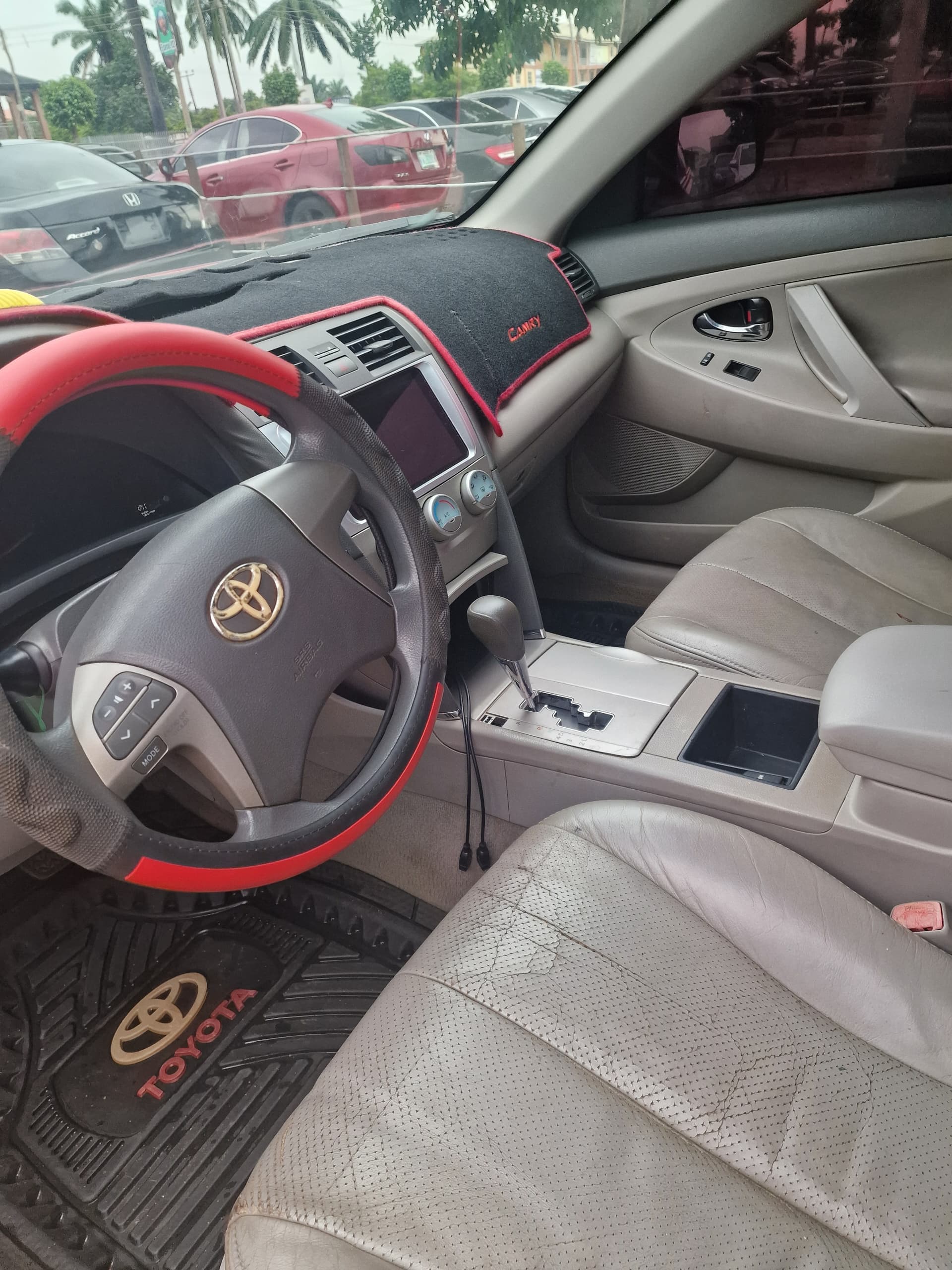
DETAILS:
USED 2008 TOYOTA CAMRY;
AUTOMATIC;
READY FOR A DRIVE HOME
PRICE: 7MILLION NAIRA ONLY
AVAILABLE FOR INSPECTION AT ALAGBAKA, AKURE
CALL OR WHATSAPP US ON: 07058116666, 09011000444. for other properties such as lands, houses etc.
EMAIL: karisworthy@gmail.com
-

 Breaking News11 months ago
Niger Delta Group hails Tinubu, NUPRC for ₦373bn host community fund and 536 life-changing projects
-

 Breaking News10 months ago
Ex-EFCC Exhibit Keeper Kaduna Zonal Directorate, Allegedly Steals ₦22m
-

 Breaking News9 months ago
Terrorists Want ₦2m ‘levy’ in Katsina Community Despite Peaceful Agreement
-

 Breaking News8 months ago
Breaking News: Nigerian Air Force Reportedly Kills 750 Terrorists in Borno State
-

 Business11 months ago
House of Representatives probes $35m modular refinery project
-

 Business4 months ago
BREAKING NEWS: Zenith Bank Rewards Investors with ₦410.69bn Dividend at AGM
-

 Breaking News4 months ago
Plaintiff To Pay ₦1m Fines For Delay In Jonathan Eligibility Suit
-

 Breaking News4 months ago
DEFAMATION OF CHARACTER: SERAP On Appeal Against The ₦100m Judgment In Favour of DSS Officials