
Breaking News
INEC, APC May Clash Over Official Senate List

The All Progressives Congress may trigger fresh controversy over its 2027 National Assembly primaries after restoring six serving senators to the party’s ticket, despite the earlier declaration of other aspirants as winners, The PUNCH has learnt.
The reversal, which affected nine states, came as the Independent National Electoral Commission declared on Wednesday that it would reject any candidate submitted by political parties whose names did not correspond with the outcome of primaries monitored and uploaded by the commission, raising fresh uncertainty over the APC’s revised nominations.
Documents obtained by our correspondents showed that the APC National Working Committee, acting on the recommendations of its Primary Election Appeal Committee, replaced winners of the May senatorial primaries in Kogi, Abia, Benue, Taraba, Ondo, Niger, Kwara, Kaduna and Ebonyi, restoring several incumbent lawmakers whose initial defeats had sparked outrage within the ruling party.
The revised list restored the tickets of six serving senators namely Senators Sunday Karimi (Kogi West), Emmanuel Udende (Benue North-East), Titus Zam (Benue North-West), Shuaibu Isa Lau (Taraba North), Adeniyi Adegbonmire (Ondo Central) and Olajide Ipinsagba (Ondo North), while Prince Paul Ikonne replaced Edinburgh Erondu in Abia South.
Ikonne is a former Chief Executive Officer of the National Agricultural Land Development Authority.
One of the biggest casualties of the review was former Benue State Governor Gabriel Suswam, whose earlier victory in the Benue North-East primary was nullified in favour of the incumbent senator, Emmanuel Udende.
The development comes weeks after Senate President Godswill Akpabio assured senators who lost their return tickets during the APC primaries that the party leadership was engaging the National Working Committee and President Bola Tinubu to review petitions arising from the exercise.
Having secured the APC ticket for Akwa Ibom North-West Senatorial District through affirmation, Akpabio had admitted that the party was surprised by the high number of serving lawmakers who failed to secure return tickets during the primaries and expressed optimism that many of the disputes would be resolved through the party’s appeal mechanism.
The Senate President had said, “I felicitate, particularly those who have secured their mandates to represent their parties in the next election. I know that there will always be victories and disappointments, yet above every individual triumph stands a greater triumph, the triumph of democracy itself.
“And in this Senate, we have promised that we will have very few disappointments, and I do know that the Senate leader and the leadership of the Senate are working very hard towards that, so in advance, I will say congratulations to all of us across party lines.”
More than 20 senators, mostly APC members, either lost their return tickets or were screened out during the party primaries.
Those affected included lawmakers who recently defected from opposition parties to the APC, among them Benson Agadaga (Bayelsa East), Garba Maidoki (Kebbi South) and Banigo Ipalibo (Rivers West).
Other prominent casualties of the primaries included Deputy Senate Leader Oyelola Ashiru, who lost the APC ticket for Kwara South; Ned Nwoko (Delta North); Neda Imasuen (Edo South); Jibrin Isah (Kogi East); Olubiyi Fadeyi (Osun Central); Danjuma Goje (Gombe Central); Gbenga Daniel (Ogun East); and Osita Izunaso, who stepped aside for Imo State Governor Hope Uzodimma.
The APC’s latest review, however, benefited only a handful of those who had sought redress, leaving the political future of many other serving lawmakers uncertain as the party concludes its nomination process.
Discover more
Nigerian Business News
Nigerian Health News
Executive Branch
High-stakes deals
Party sources told The PUNCH that the restoration of some lawmakers followed intense lobbying, interventions by governors, traditional rulers and the Presidency as the APC sought to contain the fallout from its primaries and avoid a prolonged internal crisis ahead of the 2027 elections.
A senior APC official at the national secretariat, who spoke on condition of anonymity because he was not authorised to comment publicly, said many serving lawmakers were still uncertain of their fate because the final nomination process had not been concluded.
He said, “Majority of the serving APC lawmakers have yet to make the candidate list, though we have not finalised the uploading of the names. Many of the states have yet to return the INEC nomination forms given to them.
“The governor of each state is the one calling the shots. He is the one who will direct us on who to hand the INEC nomination form to. Except for those senators who were cleared by the President, many of the serving lawmakers are not likely to make the final list.”
The source disclosed that President Tinubu and the APC leadership personally intervened in some states where disagreements between influential stakeholders threatened to deepen divisions within the party.
According to him, one of the most delicate disputes was in Ondo State, where Governor Lucky Aiyedatiwa and the Minister of Interior, Olubunmi Tunji-Ojo, were locked in a struggle over the control of the party’s National and State Assembly tickets.
“The party resolved that Aiyedatiwa is not going to run for a second term and that the state assembly members are more important to him than the national lawmakers. On the other hand, the party leadership also believes that Tunji-Ojo doesn’t need state lawmakers. So, they called the two parties together and settled it along that line,” the source said.
Another party official disclosed that a similar power-sharing arrangement was brokered in Benue State to resolve the rivalry between Governor Hyacinth Alia and the Secretary to the Government of the Federation, George Akume.
According to the source, Tinubu and other national leaders approved a compromise under which Governor Alia retained influence over the State Assembly candidates while Akume’s camp secured greater control of the National Assembly tickets.
“The same system that was applied in Ondo was also used in Benue. Governor Alia only has the 2027 election for his second term. He wouldn’t contest again after that. So, there was a need to balance power between him and the SGF. That was what happened. The President and the national leaders of the party were involved,” the official stated.
The source further disclosed that traditional rulers also influenced some of the decisions taken by the APC Appeal Committee.
He said intervention by prominent monarchs in Taraba State helped Senator Shuaibu Isa Lau regain the APC ticket for Taraba North after consultations with leaders of the ruling party at the national level.
By contrast, the source alleged that traditional rulers in Kwara South expressed dissatisfaction with the performance of Deputy Senate Leader Oyelola Ashiru, a development that influenced the party’s decision not to restore his senatorial ticket.
“The traditional rulers have been playing prominent roles in determining whose senatorial ticket should be retained or withdrawn. For people like Lola Ashiru in Kwara South, it was the traditional rulers who complained about his performance. They rejected him. The party went with the monarchs’ position, and that is why he was not returned,” the source added.
However, the APC’s revised list may yet face another hurdle following INEC’s insistence that only candidates who emerged from primaries monitored by the commission would be accepted during the online nomination process.
INEC clears air
Speaking with The PUNCH, INEC National Commissioner Mohammed Kudu Haruna explained that the commission had already uploaded the results of all party primaries monitored by its officials and that its electronic nomination portal would automatically reject any attempt to substitute candidates outside those records.
Haruna said all registered political parties had collected their access codes for the online submission of candidates, although only a few had begun the nomination process.
He said, “They’ve all collected their codes. Including NNPP. I’m told that NNPP, they came today and collected theirs but the upload, You know how these people work,they take their time.”
He explained that the commission’s nomination process consists of two stages designed to eliminate arbitrary substitutions that had generated prolonged litigation after previous elections.
Haruna explained that before political parties could submit the particulars of their candidates, INEC officials who monitored the primaries were required to upload the authentic results into the commission’s portal, creating what he described as a safeguard against arbitrary substitutions.
According to him, “So at our own end, there are two stages. There is the upload stage, our own staff who went to monitor working of course with ICT, will upload the results of the primaries they went and monitor.
“The time for submission, that’s when the parties now begin to submit, when they would have collected the forms, I think it’s EC89, where they put the particulars of their candidates.”
Haruna stressed that political parties would be unable to upload names different from those already contained in INEC’s database because the electronic portal had been programmed to reject any discrepancy.
He stated, “Now, we call it submission; when they come to submit, if it is different from what we uploaded, because in uploading we work hand in glove with them, if it is different it won’t even go.”
The national commissioner said the electronic safeguard became necessary following the disputes over candidate substitutions that trailed the 2023 general elections and eventually ended at the Supreme Court.
He said, “To safeguard that, you remember 2023, between the Senate President and another, who was supposed to be the placeholder; then he went all the way to safeguard the position; it ended in the Supreme Court.
“So to safeguard ourselves against those, once we upload, what we have uploaded, working hand in hand with parties, if in making their submission, they now put a different name, it will automatically be blocked.”
Haruna added that although political parties had collected their access codes, many were yet to begin uploading candidates’ particulars.
He further explained that parties had nominated designated officials who received training from the commission before being issued access credentials.
Related News
Court adjourns Emeka Ike’s N10bn suit against INEC, Wike’s aide
Labour Party unveils ₦2.8m essay competition in Abia
FG pledges stronger ties with research centres to stop disease outbreaks
The INEC commissioner maintained that only names corresponding with the results already uploaded by the commission would eventually be accepted.
He added, “It’s after they submitted, they finished all those, that submission online, that we will now compare it with what we have. Of course, it will only come in if it tallies with what we have at our own end, which we had uploaded in agreement with them.”
Electoral Act 2026
The commission’s position has renewed attention on the provisions of the amended Electoral Act 2026, which introduced stricter nomination procedures and significantly curtailed the practice of post-primary substitutions that had fuelled protracted legal battles in previous election cycles.
The amendment to Section 83 also bars politicians from defecting to another political party after parties have submitted their membership registers to INEC for the same election cycle.
The provision effectively closed a route previously exploited by unsuccessful aspirants to seek alternative tickets on the platforms of rival parties.
Ironically, many lawmakers who supported the anti-defection amendment became victims of the same provision after losing their return tickets during the APC primaries, leaving them with few political options ahead of the 2027 polls.
Across the country, the APC’s review produced varying outcomes.
How it happened
In Benue State, Senators Emmanuel Udende and Titus Zam successfully regained their senatorial tickets following the intervention of the party’s appeal committee, while former Governor Gabriel Suswam lost the Benue North-East ticket he had earlier secured at the primary.
The review also favoured several members of the House of Representatives from the state. Dickson Tarkighir, Sesoo Ikpagher, Terser Ugbor, Sekav Iyortyom, Austin Achado, Regina Akume, Blessing Onuh, Ojotu Ojema and Solomon Wombo all retained their tickets, while Peter Egbodo emerged as the APC candidate for Oju/Obi Federal Constituency.
In Ondo State, Senators Adeniyi Adegbonmire and Olajide Ipinsagba recovered their tickets following the intervention that resolved the face-off between Governor Lucky Aiyedatiwa and Youth Development Minister Ayodele Olawande.
The compromise reflected the party leadership’s effort to balance competing interests ahead of the election and avert a damaging internal crisis in one of its strongholds.
In Abia State, the APC retained its governorship candidate, Dr Eric Opah, while Senator Orji Uzor Kalu, Emeka Atuma and Prince Paul Ikonne emerged as the party’s senatorial candidates after the review.
The state chapter welcomed the outcome, describing the primaries as transparent and urging unsuccessful aspirants to support the eventual candidates in the interest of party unity.
In Kaduna, the issuance of INEC nomination forms effectively settled the APC’s senatorial contests, with former Senator Shehu Sani emerging as candidate for Kaduna Central, incumbent Senator Sunday Marshall Katung securing Kaduna South and former Governor Mukhtar Ramalan Yero clinching Kaduna North.
Party leaders said the presentation of Form EC9 confirmed the three men as the APC’s standard-bearers for the 2027 elections.
In Ekiti, all three serving senators—Senate Leader Opeyemi Bamidele, Cyril Fasuyi and Yemi Adaramodu—retained their tickets, alongside House of Representatives members Sola Fatoba, Akin Rotimi and Femi Bamisile.
The APC said every aspirant who won the primaries had received the party’s nomination forms without alteration.
The same trend played out in Oyo State, where the APC confirmed that all three senatorial candidates and 14 House of Representatives candidates had received their nomination forms after the presentation by National Chairman Nentawe Yilwatda.
In Edo, a former governor, Adams Oshiomhole, retained the Edo North ticket, Joe Ikpea secured Edo Central, while Omoregie Ogbeide-Ihama emerged as the candidate for Edo South.
The state chapter also confirmed that all House of Representatives candidates produced during the primaries had been uploaded onto INEC’s portal.
In Imo, Senator Patrick Ndubueze secured another APC ticket for Okigwe, while Senator Osita Izunaso stepped aside for Governor Hope Uzodimma’s governorship ambition.
Senator Ezenwa Onyewuchi did not seek another Senate term, opting instead to pursue the governorship.
Party officials also confirmed the return of several House members, including Tochi Okere, Eugene Dibiagwu, Canice Moore Nwachukwu Omeogo and Akarachi Amadi.
In Kebbi, Senators Adamu Aliero and Yahaya Abdullahi secured APC tickets for another term, while Senator Garba Maidoki failed to return after his reported political disagreement with Governor Nasir Idris.
Neighbouring Sokoto State recorded fewer surprises, with Senator Aliyu Magatakarda Wamakko emerging as the APC candidate, while former governor Aminu Tambuwal withdrew from the race in favour of former ambassador Faruk Malami Yabo under the ADC.
Several serving members of the House of Representatives also retained their party tickets across both states.
Political realignments were more pronounced in Bauchi State, where a wave of defections followed the primaries.
Senator Shehu Buba dumped the APC for the Peoples Redemption Party after emerging as its governorship candidate, while Senator Abdul Ningi joined the African Democratic Congress and secured its senatorial ticket.
Senator Sama’ila Dahuwa also left the APC after failing to secure its nomination and subsequently obtained the PRP ticket.
In Borno State, APC candidates for the three senatorial districts remained Kaka Shehu Lawan, Mohammed Ndume and Tahir Monguno, while the party also retained most of its House of Representatives candidates.
In Gombe State, Senator Hassan Dankwambo secured another PDP ticket for Gombe North, while former governor Danjuma Goje failed to secure the APC ticket for Gombe Central.
Similarly, in Enugu State, all three APC senatorial candidates—Kevin Chukwu, Ikeje Asogwa and Osita Ngwu—retained their nominations, although some House of Representatives candidates were replaced following the review process.
In Kwara State, the APC also carried out a major overhaul of its National Assembly tickets, with all three serving senators losing out ahead of the 2027 elections.
Governor AbdulRahman AbdulRazaq emerged as the party’s senatorial candidate for Kwara Central after failing to secure the governorship ticket, displacing Senator Saliu Mustapha.
In Kwara South, Deputy Senate Leader Oyelola Ashiru lost the party’s ticket to Prince Olalekan Sunday Adewoye, while Dr Muhammed Mahmud replaced Senator Sadiq Umar in Kwara North.
The shake-up extended to the House of Representatives, where only two of the APC’s six incumbent lawmakers secured fresh tickets, as four others were replaced by new candidates in the primaries.
A similar realignment played out in Ogun State, where the APC retained only four of its nine serving House of Representatives members.
Five new candidates emerged across the federal constituencies, while prominent lawmakers, including Deputy Chief Whip Isiaka Ibrahim, Tunji Akinosi, Femi Ogunbanwo and Adesola Elegbeji, failed to secure return tickets.
The senatorial contests also produced significant changes, with Governor Dapo Abiodun replacing former Governor Gbenga Daniel as the APC candidate for Ogun East, Shuaib Salisu retaining the Ogun Central ticket, and Jimoh Ojugbele emerging as the party’s candidate for Ogun West following Senator Solomon Adeola’s emergence as the APC governorship candidate.
The developments in Kwara and Ogun further underscore the sweeping nature of the APC’s post-primary realignments, which have seen several serving federal lawmakers displaced while governors, former political appointees and other influential party figures secured National Assembly tickets ahead of the 2027 general elections.
The outcome of the APC’s appeal process has effectively redrawn the political map in several states, rewarding some serving lawmakers while ending the ambitions of others.
But with INEC insisting that only candidates whose names correspond with the results of monitored primaries will be accepted on its nomination portal, attention is expected to shift from the party’s internal review to whether its revised list survives the commission’s verification process or triggers another round of litigation before the 2027 general elections.
Breaking News
Breaking: Nigerian Workers Demand N300,000 Minimum Wage, FG Faces Fresh Salary Pressure
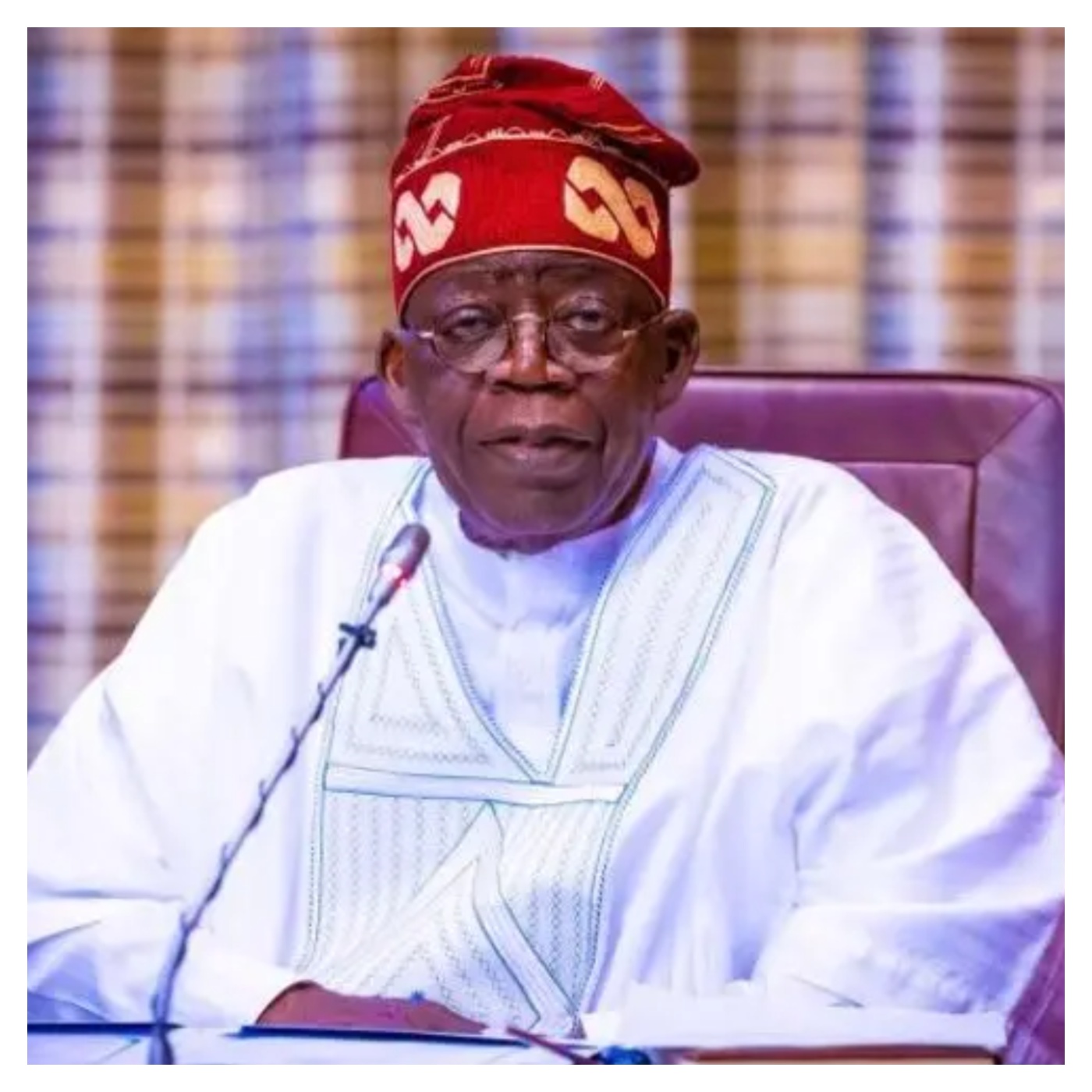
The Federal Workers Forum, FWF, has demanded an immediate increase in the federal minimum wage from N70,000 to N300,000, noting that the current salary structure can no longer sustain civil servants amid Nigeria’s rising cost of living.
The Forum made the demand in a letter dated September 2, 2026, addressed to President Bola Ahmed Tinubu and the National Assembly, with the Senate President, Speaker of the House of Representatives, Chief Justice of Nigeria and Head of the Civil Service of the Federation listed among the recipients.
The workers also proposed a new salary structure that would place the highest-paid Level 17 officer on a monthly salary of N1.5 million, while Level 1 Step 1 workers would earn N300,000.
“We call for justice and immediate wage review now, adjust the federal minimum wage to N300,000 and a maximum wage of N1.5m for the Level 17 officers,” the Forum said.
Recommended
The FWF argued that the Federal Government had not fully implemented the 2024 minimum wage agreement, claiming that federal workers had yet to receive the full consequential adjustment and associated allowances.
“It will surprise you to hear that the Federal Government has not fully implemented the new national minimum wage since July 2024. We have been in the battle for full consequential adjustment of the new minimum wage,” it said.
Recall that the Nigeria Labour Congress, NLC, in August 2026, demanded an upward review of the minimum wage to N500,000.
In July 2024, President Bola Tinubu’s government increased the minimum wage to N70,000 per month from N30,000.
However, the cost of living for many Nigerians has tripled between 2024 and 2026.
You may like
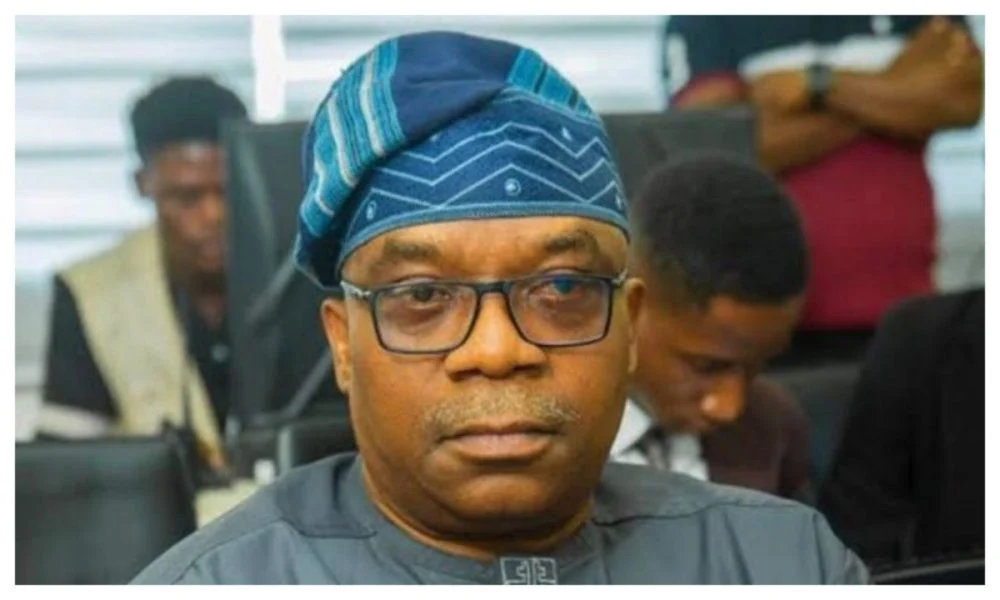
The Federal Government has said Nigeria will never support a military coup or any unconstitutional change of government, following claims that the country backed a failed coup attempt in the Niger Republic.
The Minister of State for Foreign Affairs, Sola Enikanolaiye, made this known in a statement issued on Thursday.
According to the statement, the claims circulating on social media are baseless and misleading.
Enikanolaiye said Nigeria remained committed to democracy, constitutional rule and political stability in West Africa and would not support any attempt to remove a government through unconstitutional means.
Recommended
“Nigeria will never support illegality or unconstitutional change of government anywhere, no matter who is involved or which country is concerned,” he said.
The minister also rejected claims that Nigeria, through its membership of the Economic Community of West African States (ECOWAS), supported or endorsed the military takeover in Niger.
He said the Federal Government had already stated its position on the situation in Niger in an earlier statement issued by the Ministry of Foreign Affairs on August 30, 2026.
According to him, Nigeria remains deeply concerned about developments in Niger and wants the country to return peacefully to stability and constitutional order.
Enikanolaiye said Nigeria’s close historical, cultural and fraternal ties with Niger made peace and stability in the neighbouring country particularly important.
“Nigerians at home and abroad should disregard the videos and narratives circulating online, they are intended to create confusion and tarnish Nigeria’s image,” the statement said.
You may like
-

 Breaking News12 months ago
Niger Delta Group hails Tinubu, NUPRC for ₦373bn host community fund and 536 life-changing projects
-

 Breaking News11 months ago
Ex-EFCC Exhibit Keeper Kaduna Zonal Directorate, Allegedly Steals ₦22m
-

 Breaking News10 months ago
Terrorists Want ₦2m ‘levy’ in Katsina Community Despite Peaceful Agreement
-

 Business5 months ago
BREAKING NEWS: Zenith Bank Rewards Investors with ₦410.69bn Dividend at AGM
-

 Breaking News5 months ago
DEFAMATION OF CHARACTER: SERAP On Appeal Against The ₦100m Judgment In Favour of DSS Officials
-

 Breaking News5 months ago
Plaintiff To Pay ₦1m Fines For Delay In Jonathan Eligibility Suit
-

 Breaking News4 months ago
Ogun Police Command Foils Plan To Kidnap Chinese National, Arrest 2 Over ₦50m Ransom Plan
-

 Breaking News2 months ago
Osun Dismisses EFCC’s ₦11b Alleged Looting, Says Action Illegal