
Business
New Tax Law: Billions of Naira Could Generate from Churches, Mosques – Oye, ex NACCIMA boss


Dele Oye, Chairman of the Alliance for Economic Research and Ethics (AERE), has stated that Nigeria could unlock billions of naira in additional revenue by integrating the country’s vast faith-based economy into a formal, transparent, and unified tax framework under the new tax regime.
Oye, who is the immediate past Chairman of the Organised Private Sector of Nigeria (OPSN) and Chairman of the Nigeria-Türkiye Business Council (NTBC), said the Nigeria Tax Act (NTA) and Nigeria Tax Administration Act (NTAA) represent the most significant overhaul of Nigeria’s fiscal system in decades, with major implications for religious institutions that previously operated in legal grey areas.
He explained that the new regime centralises revenue collection, tightens the definition of charitable activities, and mandates digital records for financial transactions, thereby bringing the economic activities of churches, mosques, and other faith-based organisations under closer regulatory scrutiny.
In a paper titled “Harmonising Zakat, Waqf, and Christian Stewardship Under Nigeria’s 2025 Tax Act,” Oye noted that while the reforms modernise the tax system and reduce fragmentation, their success in the religious sector depends on professional financial management and collaboration between the Nigeria Revenue Service (NRS) and faith-based stakeholders.
According to him, the 2025 Tax Act goes beyond adjusting tax rates, representing a redefinition of the social contract between the state and citizens. He said religious institutions have long enjoyed broad exemptions under the guise of public character while engaging in commercial activities that blurred the line between worship and business.
Oye stated that the reforms aim to resolve this complexity through centralized collection and a digital paper trail for all transactions, raising questions about how religious obligations such as tithes and Zakat can be reconciled with modern tax administration without undermining spiritual principles.
He added that the new laws unify previously overlapping tax systems, integrate Tax Identification Numbers with national identifiers, and introduce a cloud-based tax portal to curb evasion. For religious organizations, he said this marks the end of informal cash-based financial practices, as all donations claimed for exemptions must now be digitally verifiable.
The 2025 Tax Act, Oye said, also eliminates the multiplicity of taxes and unifies VAT administration nationwide. Religious bodies operating schools, hospitals, or commercial ventures must now clearly separate their spiritual activities from taxable business operations.
He further noted that the new regime tightens the criteria for tax-exempt charitable status, requiring that profits be reinvested strictly in charitable objectives. Even exempt religious organizations must now self-account for VAT on taxable goods and services, effectively closing loopholes that previously shielded large-scale religious investments.
On Islamic finance, Oye said the reforms raise important issues around Zakat and Waqf, particularly concerns about double taxation. While the Act allows documented religious giving as deductible expenses, he stressed that Islamic institutions must adopt professional accounting standards to reconcile spiritual anonymity with fiscal transparency.
Oye concluded that the 2025 Tax Act presents both challenges and opportunities for religious institutions, calling for a balance between transparency and faith. He said harmonizing religious stewardship with national fiscal policy would strengthen accountability, support social welfare, and ensure that faith-based contributions to national development are properly recognized.
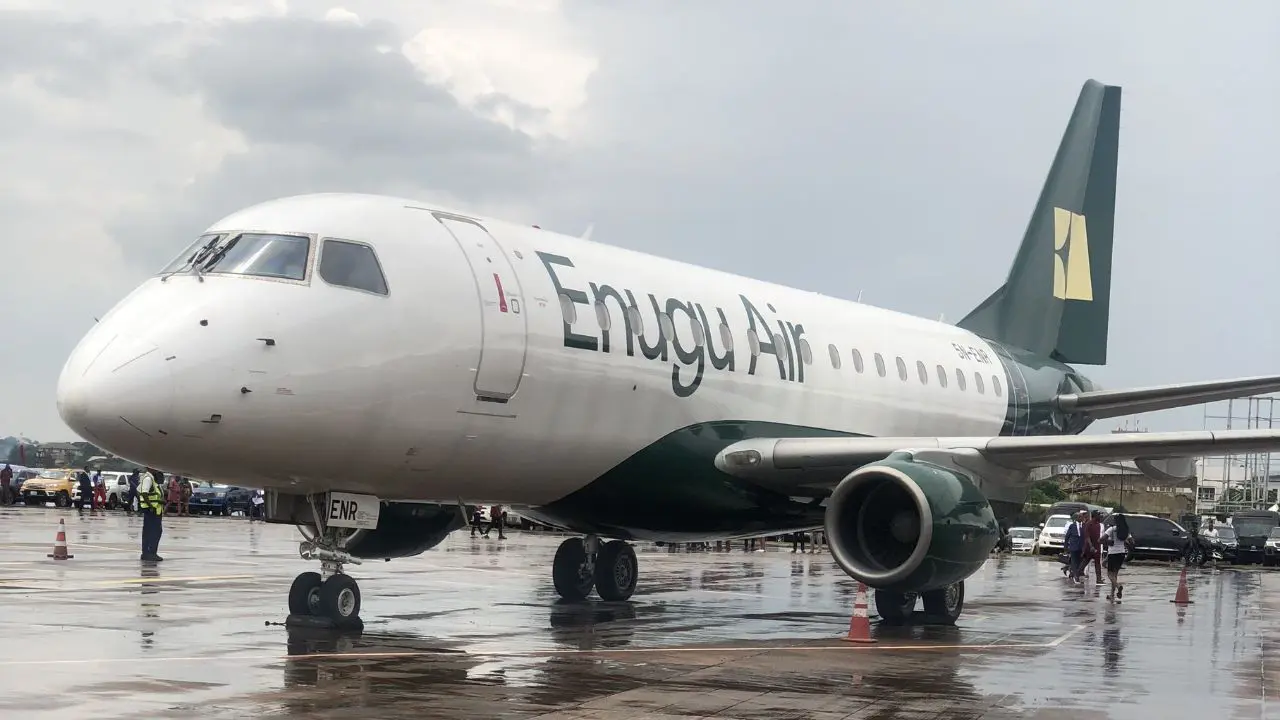
An aircraft belonging to Enugu Air has crashed at Benin City airport in Edo State.
The incident reportedly occurred on Thursday afternoon.
A video of the incident was shared on social media by an X user identified as @Oyindamola
“Enugu Air aircraft crash lands in Benin Airport this afternoon,” the X user wrote.
DAILY POST reports that the Enugu Air is owned and operated by the Enugu State government.
There’s was no official statement on the matter by the aviation authorities at the time of filing in this report.
Watch video.…For more, Complete your reading.
The Nigerian National Petroleum Company Limited, NNPCL, has increased the pump price of Premium Motor Spirit, PMS at its retail outlets for the second time in less than two days.
A market survey by DAILY POST showed that NNPCL raised its petrol price to N1,335 per litre on Wednesday from N1,270 per litre on Tuesday.
This means that the state-owned filling station increased its fuel price by N65 per litre.
The new price has been implemented at NNPCL filling stations in Wuse Zone 6 (Berger), Zone 4, and other outlets in Abuja and its environs.
Recall that on Tuesday, NNPCL increased its petrol pump price by N115 per litre to N1,270 per litre.
The latest increase comes amid continued petrol price volatility in the country’s downstream oil sector following Dangote Refinery’s resumption of the sale of refined petroleum products in U.S. dollars.
DAILY POST reports that crude oil prices rose by nearly 4 percent on Wednesday as airstrikes intensified in the Middle East.…For more, Complete your reading.
-

 Breaking News8 months ago
Terrorists Want ₦2m ‘levy’ in Katsina Community Despite Peaceful Agreement
-

 Breaking News8 months ago
Ex-EFCC Exhibit Keeper Kaduna Zonal Directorate, Allegedly Steals ₦22m
-

 Breaking News9 months ago
Niger Delta Group hails Tinubu, NUPRC for ₦373bn host community fund and 536 life-changing projects
-

 Breaking News7 months ago
Breaking News: Nigerian Air Force Reportedly Kills 750 Terrorists in Borno State
-

 Business9 months ago
House of Representatives probes $35m modular refinery project
-

 Business3 months ago
BREAKING NEWS: Zenith Bank Rewards Investors with ₦410.69bn Dividend at AGM
-

 Breaking News9 months ago
UCL: Osimhen Statement after Galatasaray’s 3-1 Win over Bodo/Glimt
-

 Breaking News7 months ago
Nasarawa Insecurity: Suspects Apprehended, Man Hunt Ongoing – Gov Sule