
Breaking News
Breaking: Nigerians Raise Concerns Over IMF’s Proposed Telecoms, Petrol Taxes

The International Monetary Fund, IMF, recommendation of more taxes on telecommunication services and petroleum products for the Nigerian government has sparked angry reactions from the citizens.
It could be recalled that recently, the IMF recommended introducing taxes on fuel products and telecommunications services in Nigeria as part of broader measures to increase government revenue and create fiscal space for development spending and social interventions.
This was contained in its Article IV report on Nigeria.
DAILY POST reports that the reactions that followed were spontaneous due to past experiences with the IMF.
Although Nigeria has dismissed reports suggesting it had adopted or was considering the introduction of new taxes on telecommunications services and petroleum products following recommendations contained in the latest IMF Article IV Consultation Report on Nigeria, Nigerians have continued to speak against the recommendation.
The government in a statement had stressed that recommendations contained in the IMF report were not binding on Nigeria and should not be interpreted as official government policy.
It maintained that decisions on taxation could only be made through constitutional and legislative processes and would be guided by national priorities and prevailing economic realities.
“The IMF Article IV Consultation Report contains the Fund’s assessment of Nigeria’s economy as well as recommendations for consideration by the authorities. Those recommendations do not amount to government policy and are not binding on Nigeria.
“Decisions on tax matters are taken through established constitutional and legislative processes and are guided by national priorities and prevailing economic realities,” part of the statement said.
Some Nigerians are of the view that such taxes would cripple businesses and deepen hardship, and that it would completely destroy whatever economic gains the current government had made in the last three years.
One of those who have spoken strongly against the negative impacts of such taxes is the chairman of the Alliance for Economic Research and Ethics LTD/GTE, Dele Oye.
He argued that such measures were insensitive and would further cripple businesses and deepen hardship for over 140 million poor Nigerians.
Oye insisted that Nigeria has the ability to grow its revenue without introducing additional taxes on struggling households and businesses, noting that tax collections rose by more than 180 percent in three years, from N10.1 trillion in 2022 to N28.3 trillion in 2025.
He noted that imposing fresh taxes on fuel and telecom services at a time when an estimated 140 million Nigerians live below the poverty line would amount to placing a heavier burden on citizens already grappling with inflation, high living costs and weak purchasing power.
He argued that Nigerian businesses were already weighed down by what he described as hidden taxes, including high borrowing costs, unreliable electricity, multiple levies imposed at different levels of government, foreign exchange volatility and security-related expenses.
He emphasised that commercial lending rates exceeding 35 percent and soaring energy costs have significantly increased the cost of doing business, warning that additional taxes could discourage investment and slow economic growth.
Also, a Lagos lawyer, who is versed in tax matters, Bolu Oyeniyi, equally questioned the rationale for introducing new taxes when improvements in tax administration could generate substantial additional revenue, citing the IMF’s own assessment that administrative reforms alone could deliver gains comparable to those expected from new tax measures.
Rather than imposing fresh levies, he wants the Federal Government to strengthen tax compliance, reduce the cost of governance, eliminate revenue leakages, formalise more of the informal economy and review tax incentives enjoyed by large corporations and extractive industries.
He further warned that taxing telecommunications would undermine digital inclusion and financial innovation, while additional taxes on fuel could ripple through the economy by increasing transport costs and driving up food prices.
He urged the government to prioritise economic recovery over new taxation and focus on creating an environment that enables businesses to grow and create jobs instead of placing additional burdens on consumers and entrepreneurs.
“The patient needs recovery time, not another surgery,” he said, urging the government to reject the IMF’s recommendations on telecom and fuel taxes and pursue reforms that expand the economy rather than deepen hardship.
Also contributing, a civil servant with the Lagos State Ministry of Commerce, Lanre Adebowale, condemned the IMF’s recommendation, warning the government against receiving further advice or recommendation from the international monetary agency.
He said he could remember how the same IMF’s advice in 1986 to the military government of Gen Ibrahim Babangida landed Nigeria in serious economic quagmire that it has not been able to extricate herself from ever since then.
He warned that no advice from the IMF will ever benefit any Nigerian, instead such economic advice would only bring more economic woes to Nigeria.
“I remember very well how the Babangida government destroyed Nigeria through borrowing from the IMF. One of the conditions for getting the loan then was for the government to implement an economic policy called the Structural Adjustment Programmes (SAP).
“This was the genesis of Nigeria’s economic crisis, which we are still struggling with till date,” he stated.
He lamented that the programmes which were designed to stabilize troubled economies, shrink government deficits and transition nations toward market-driven, globally competitive systems, ended up destroying Nigeria’s economy and inflicting grievous pains on Nigerians.
The core components of the programmes, according to him, included currency devaluation, privatization, cut in public spending, market liberalization and tax reforms.
“This was how state-owned enterprises like Nigeria Telecommunications Limited, NITEL, Nigeria Hotels, Nigeria Airways and a lot of other public companies which were the pride of Nigeria were sold at give-away prices to a few ‘connected’ individuals.
“It is the same IMF that has come again to recommend that our government should tax Nigerians again on petroleum products and telecommunications service. Remember that most household businesses have crumbled because there is no electricity and the price of fuel to power the generators has gone far beyond the reach of ordinary people at above N1200 per liter of petrol.
“Also, remember that Nigerians pay the highest in data among other nations of the world, a development that is still generating public outcry.
“And here we are reading about a recommendation from the same IMF to increase taxes on these products and services.
“This is quite unfortunate but the good news is that the government has come out to say it is not considering bringing more taxes on telecoms and petrol.
“That’s good enough, but going forward, I advise that Nigeria should not be listening to the IMF because it will always give advice that will favour it and not the one that will favour Nigeria,” he stated.
Breaking News
Breaking: Nigerian Workers Demand N300,000 Minimum Wage, FG Faces Fresh Salary Pressure
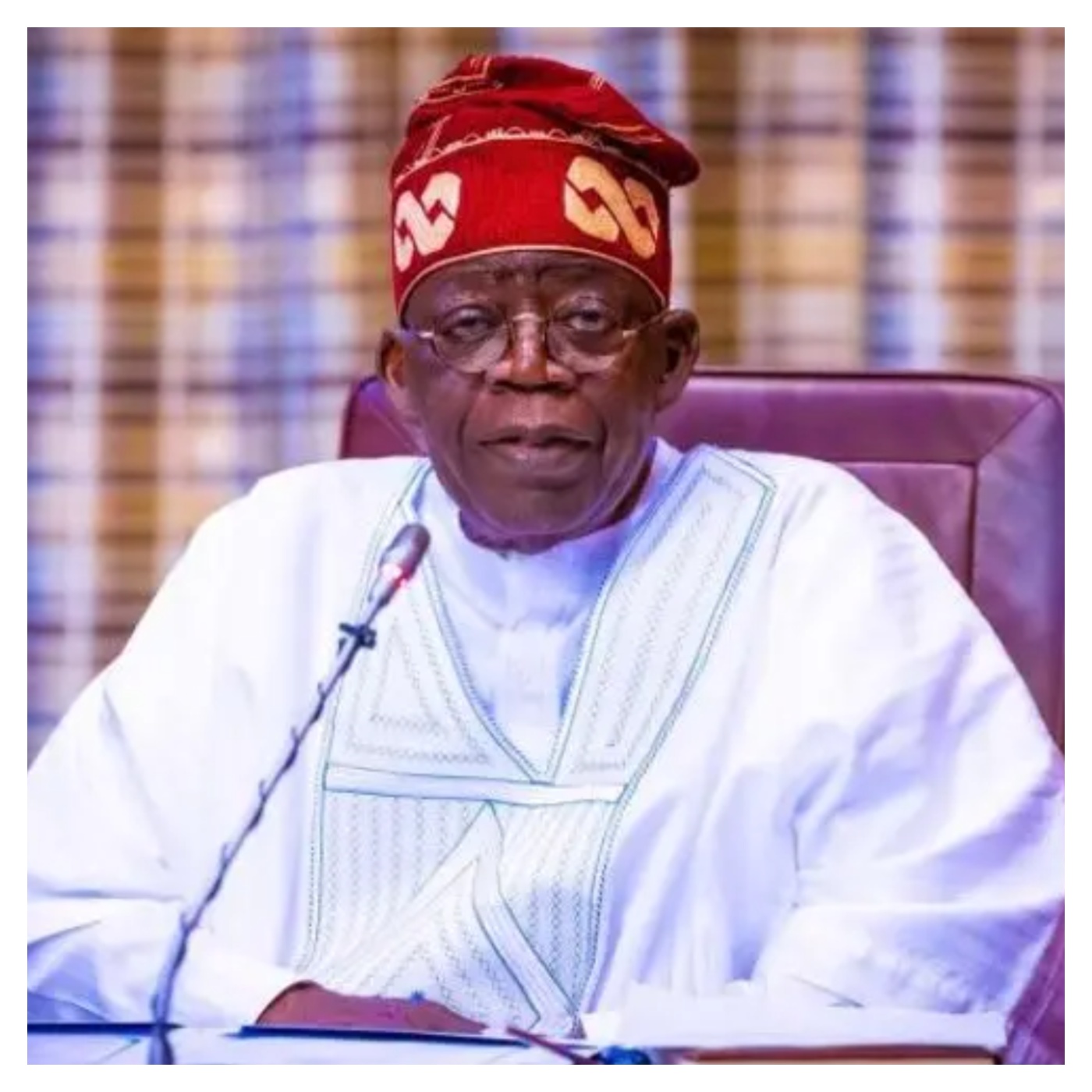
The Federal Workers Forum, FWF, has demanded an immediate increase in the federal minimum wage from N70,000 to N300,000, noting that the current salary structure can no longer sustain civil servants amid Nigeria’s rising cost of living.
The Forum made the demand in a letter dated September 2, 2026, addressed to President Bola Ahmed Tinubu and the National Assembly, with the Senate President, Speaker of the House of Representatives, Chief Justice of Nigeria and Head of the Civil Service of the Federation listed among the recipients.
The workers also proposed a new salary structure that would place the highest-paid Level 17 officer on a monthly salary of N1.5 million, while Level 1 Step 1 workers would earn N300,000.
“We call for justice and immediate wage review now, adjust the federal minimum wage to N300,000 and a maximum wage of N1.5m for the Level 17 officers,” the Forum said.
Recommended
The FWF argued that the Federal Government had not fully implemented the 2024 minimum wage agreement, claiming that federal workers had yet to receive the full consequential adjustment and associated allowances.
“It will surprise you to hear that the Federal Government has not fully implemented the new national minimum wage since July 2024. We have been in the battle for full consequential adjustment of the new minimum wage,” it said.
Recall that the Nigeria Labour Congress, NLC, in August 2026, demanded an upward review of the minimum wage to N500,000.
In July 2024, President Bola Tinubu’s government increased the minimum wage to N70,000 per month from N30,000.
However, the cost of living for many Nigerians has tripled between 2024 and 2026.
You may like
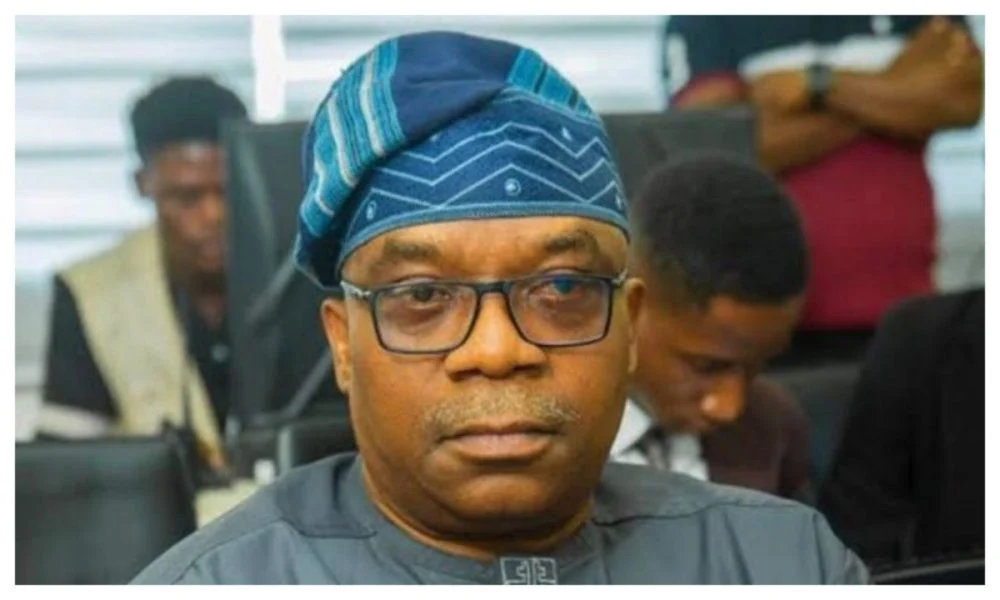
The Federal Government has said Nigeria will never support a military coup or any unconstitutional change of government, following claims that the country backed a failed coup attempt in the Niger Republic.
The Minister of State for Foreign Affairs, Sola Enikanolaiye, made this known in a statement issued on Thursday.
According to the statement, the claims circulating on social media are baseless and misleading.
Enikanolaiye said Nigeria remained committed to democracy, constitutional rule and political stability in West Africa and would not support any attempt to remove a government through unconstitutional means.
Recommended
“Nigeria will never support illegality or unconstitutional change of government anywhere, no matter who is involved or which country is concerned,” he said.
The minister also rejected claims that Nigeria, through its membership of the Economic Community of West African States (ECOWAS), supported or endorsed the military takeover in Niger.
He said the Federal Government had already stated its position on the situation in Niger in an earlier statement issued by the Ministry of Foreign Affairs on August 30, 2026.
According to him, Nigeria remains deeply concerned about developments in Niger and wants the country to return peacefully to stability and constitutional order.
Enikanolaiye said Nigeria’s close historical, cultural and fraternal ties with Niger made peace and stability in the neighbouring country particularly important.
“Nigerians at home and abroad should disregard the videos and narratives circulating online, they are intended to create confusion and tarnish Nigeria’s image,” the statement said.
You may like
-

 Breaking News11 months ago
Niger Delta Group hails Tinubu, NUPRC for ₦373bn host community fund and 536 life-changing projects
-

 Breaking News10 months ago
Ex-EFCC Exhibit Keeper Kaduna Zonal Directorate, Allegedly Steals ₦22m
-

 Breaking News9 months ago
Terrorists Want ₦2m ‘levy’ in Katsina Community Despite Peaceful Agreement
-

 Business4 months ago
BREAKING NEWS: Zenith Bank Rewards Investors with ₦410.69bn Dividend at AGM
-

 Breaking News8 months ago
Breaking News: Nigerian Air Force Reportedly Kills 750 Terrorists in Borno State
-

 Business11 months ago
House of Representatives probes $35m modular refinery project
-

 Breaking News4 months ago
Plaintiff To Pay ₦1m Fines For Delay In Jonathan Eligibility Suit
-

 Breaking News4 months ago
DEFAMATION OF CHARACTER: SERAP On Appeal Against The ₦100m Judgment In Favour of DSS Officials