
Business
FGN Issues Fresh Fuel Import Licenses to Petrol Marketers


In a new policy shift, the Nigerian government, through the Nigerian Midstream and Downstream Petroleum Regulatory Authority, resumed issuance of petrol import licenses to petroleum marketers.
The licenses were issued to six petroleum marketers expected to import around 720,000 metric tons of Premium Motor Spirit (petrol).
DAILY POST reports that the move is a policy shift from a focus on local refineries, in this case the Dangote Refinery.
Beneficiaries are major oil marketers such as NIPCO, AA Rano, Matrix, Shafa, Pinnacle, and Bono.
NIPCO is expected to import 120,000 metric tons; AA Rano, 150,000 MT; Matrix, 150,000 MT; Shafa, 120,000 MT; Pinnacle, 120,000 MT; and Bono, 60,000 MT, totaling 720,000 MT of petrol imports.
Although the NMDPRA officially stated the reason for the fresh licenses, Dangote Refinery has repeatedly reiterated its capacity to meet local fuel consumption demand. Even NMDPRA’s recent industrial data showed that the 650,000-barrel-per-day refinery supplied 90 percent of the country’s daily consumption.
Meanwhile, NMDPRA’s recent decision toward petrol imports has stirred concerns among stakeholders.
The development comes barely a week after President Bola Ahmed Tinubu appointed Rabiu Abdullahi Umar as Chief Executive Officer of NMDPRA.
President Tinubu had sacked Saidu Mohammed as CEO of NMDPRA while he was on official duty in Germany.

The Federal Government has called on marketers to reduce the pump price of petrol to reflect falling crude costs in the international market.
The Minister of state for Petroleum Resources (Oil), Heineken Lokpobiri, made the call on Monday at a stakeholders’ meeting with the marketers and other downstream petroleum sector operators.
The minister demanded that the sharp drop in Brent crude from about $118 a barrel earlier this year to below $70 must be reflected at the pumps.
“The price of fuel should reflect what is going on now,” he said, urging marketers to pass the cost reductions to consumers.
He queried why retail pump prices for Premium Motor Spirit, PMS, and other petroleum products have not fallen in line with lower international replacement costs.
According to him, deregulation did not mean allowing what he called ‘excessive profits’, stating that government preferred frank talks over heavy-handed enforcement
The minister added that the petroleum marketers must build consensus on how to lower pump prices without killing business viability.
“We would rather sit down with you and agree a practical framework than try to impose measures we cannot effectively enforce,” he said
The meeting, convened at the directive of the Ministry of Petroleum Resources by the sector regulator, had in attendance officials from the FCCPC, Dangote Refinery, MEMAN, DAPPMAN, IPMAN, NARTO, PETROAN among others.
You may like
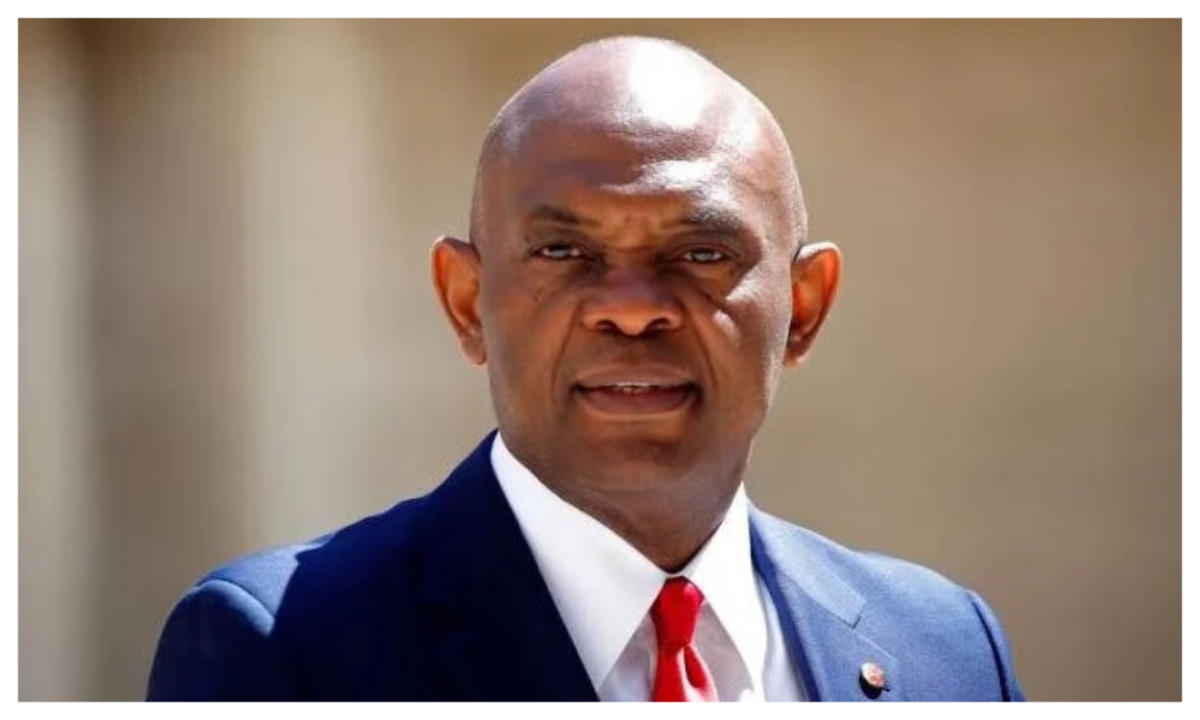
United Bank for Africa, UBA, Plc has announced that its Group Chairman, Tony Elumelu, will retire from the bank’s Board of Directors on August 21, 2026.
The announcement was made on Monday following a meeting of the bank’s board.
UBA explained that Elumelu’s exit follows the completion of the maximum 12-year tenure allowed for non-executive directors under the Central Bank of Nigeria’s corporate governance regulations.
The bank also confirmed that Emmanuel Nnorom, who currently serves as a non-executive director, has been appointed as the incoming Group Chairman. His appointment will take effect on August 21, the same day Elumelu officially leaves the board.
In a statement issued after the meeting, the bank said, “The Board places on record its profound appreciation to Elumelu for his visionary leadership and exceptional contribution to the strategic vision and institutional strength of the UBA Group.
“Under his chairmanship, UBA deepened its pan-African expansion strategy and now operates in 20 African countries, alongside operations in four global financial centres.
“The bank currently serves more than 50 million customers across its network. His retirement comes as Nigerian banks continue to align with the CBN’s corporate governance guidelines, which impose a maximum tenure of 12 years for non-executive directors to strengthen board independence and governance standards.”
You may like
-

 Breaking News7 months ago
Terrorists Want ₦2m ‘levy’ in Katsina Community Despite Peaceful Agreement
-

 Breaking News8 months ago
Ex-EFCC Exhibit Keeper Kaduna Zonal Directorate, Allegedly Steals ₦22m
-

 Breaking News9 months ago
Niger Delta Group hails Tinubu, NUPRC for ₦373bn host community fund and 536 life-changing projects
-

 Breaking News6 months ago
Breaking News: Nigerian Air Force Reportedly Kills 750 Terrorists in Borno State
-

 Business9 months ago
House of Representatives probes $35m modular refinery project
-

 Breaking News9 months ago
UCL: Osimhen Statement after Galatasaray’s 3-1 Win over Bodo/Glimt
-

 Breaking News6 months ago
Nasarawa Insecurity: Suspects Apprehended, Man Hunt Ongoing – Gov Sule
-

 Business2 months ago
BREAKING NEWS: Zenith Bank Rewards Investors with ₦410.69bn Dividend at AGM