
Business
Breaking: Dollar to Naira Exchange Rate Today, Feb. 4, 2026


The Nigerian Naira maintained its steady stance against the United States Dollar during early trading on Wednesday, February 4, 2026. Following a resilient performance throughout the first few days of the month, the local currency continues to benefit from improved liquidity in the official window and a relatively calm parallel market.
Official Market Trends
In the Nigerian Foreign Exchange Market (NFEM), the Naira opened the session with a slight gain, positioned at approximately 1,387.42 per dollar. By mid-morning, the exchange rate showed minor fluctuations, with the dollar trading at 1,388.15.
This performance marks a continuation of the stability observed since the introduction of the Electronic Foreign Exchange Matching System (EFEMS), which has significantly improved price discovery and transparency. Financial analysts note that the current rate of 1,388.15 reflects the Central Bank of Nigeria’s (CBN) successful management of corporate demand and the clearance of historic foreign exchange backlogs. With external reserves remaining healthy, the official window has provided a more predictable environment for importers and international businesses.
Parallel Market Performance
The parallel market, commonly referred to as the black market, mirrored the stability seen in the official sector, though it continues to trade at a characteristic premium. In major commercial hubs like Lagos and Abuja, Bureau De Change operators are quoting the dollar between 1,460 and 1,475.
Despite the persistent gap between the two markets, the spread remains considerably narrower than the peaks witnessed in late 2025. Traders indicate that retail demand for personal travel and small-scale transactions is being comfortably met by current supply levels. The absence of aggressive speculative activity has played a vital role in preventing the sharp intraday spikes that historically characterized the informal market at the start of the year.
Summary of Trading Rates
NFEM (Official) Opening: 1,387.42
NFEM (Official) Current: 1,388.15
Parallel Market Range: 1,460 – 1,475
The broader outlook for the Naira remains cautiously optimistic. Analysts suggest that if crude oil production levels and foreign portfolio inflows remain steady, the currency is well-positioned to maintain its current range-bound stability throughout the first quarter of 2026. Investors and the public are keeping a close watch on the closing figures for the day, which will further define the market’s trajectory for the rest of the week.
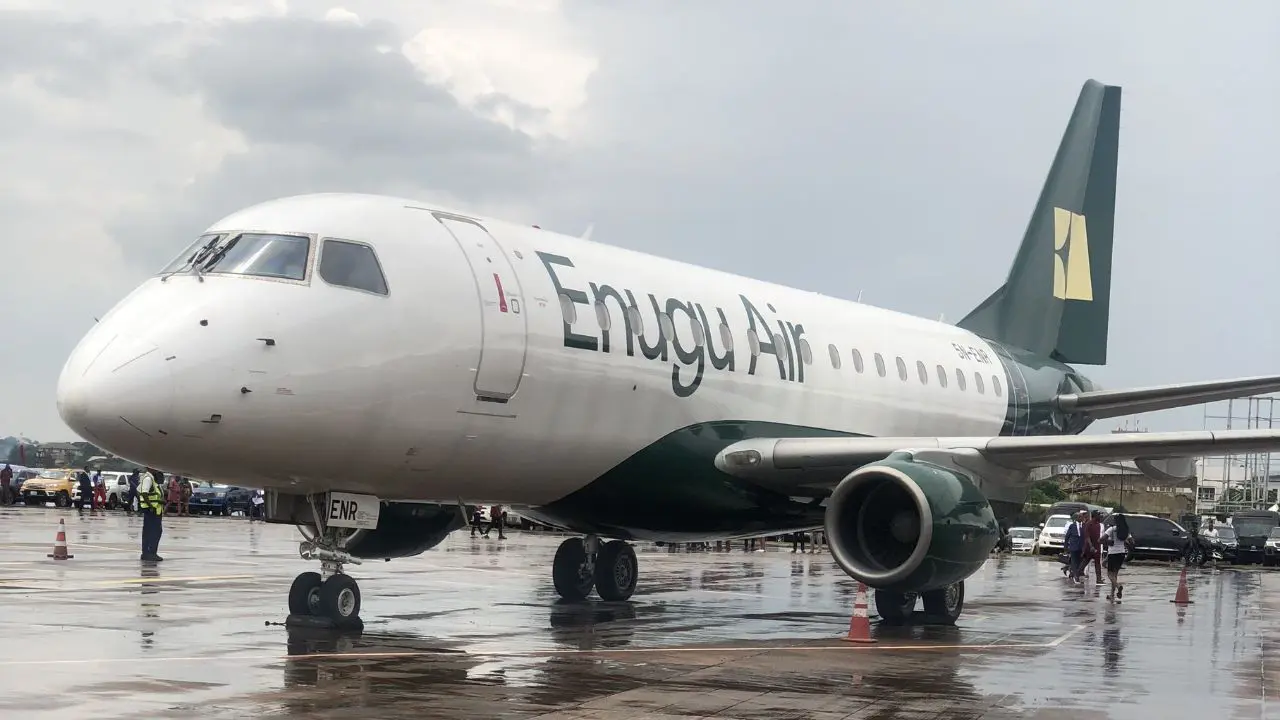
An aircraft belonging to Enugu Air has crashed at Benin City airport in Edo State.
The incident reportedly occurred on Thursday afternoon.
A video of the incident was shared on social media by an X user identified as @Oyindamola
“Enugu Air aircraft crash lands in Benin Airport this afternoon,” the X user wrote.
DAILY POST reports that the Enugu Air is owned and operated by the Enugu State government.
There’s was no official statement on the matter by the aviation authorities at the time of filing in this report.
Watch video.…For more, Complete your reading.
The Nigerian National Petroleum Company Limited, NNPCL, has increased the pump price of Premium Motor Spirit, PMS at its retail outlets for the second time in less than two days.
A market survey by DAILY POST showed that NNPCL raised its petrol price to N1,335 per litre on Wednesday from N1,270 per litre on Tuesday.
This means that the state-owned filling station increased its fuel price by N65 per litre.
The new price has been implemented at NNPCL filling stations in Wuse Zone 6 (Berger), Zone 4, and other outlets in Abuja and its environs.
Recall that on Tuesday, NNPCL increased its petrol pump price by N115 per litre to N1,270 per litre.
The latest increase comes amid continued petrol price volatility in the country’s downstream oil sector following Dangote Refinery’s resumption of the sale of refined petroleum products in U.S. dollars.
DAILY POST reports that crude oil prices rose by nearly 4 percent on Wednesday as airstrikes intensified in the Middle East.…For more, Complete your reading.
-

 Breaking News8 months ago
Terrorists Want ₦2m ‘levy’ in Katsina Community Despite Peaceful Agreement
-

 Breaking News8 months ago
Ex-EFCC Exhibit Keeper Kaduna Zonal Directorate, Allegedly Steals ₦22m
-

 Breaking News9 months ago
Niger Delta Group hails Tinubu, NUPRC for ₦373bn host community fund and 536 life-changing projects
-

 Business9 months ago
House of Representatives probes $35m modular refinery project
-

 Breaking News7 months ago
Breaking News: Nigerian Air Force Reportedly Kills 750 Terrorists in Borno State
-

 Business3 months ago
BREAKING NEWS: Zenith Bank Rewards Investors with ₦410.69bn Dividend at AGM
-

 Breaking News9 months ago
UCL: Osimhen Statement after Galatasaray’s 3-1 Win over Bodo/Glimt
-

 Breaking News7 months ago
Nasarawa Insecurity: Suspects Apprehended, Man Hunt Ongoing – Gov Sule