
Breaking News
Nigeria’s Inflation Rises To 15.69% In April 2026

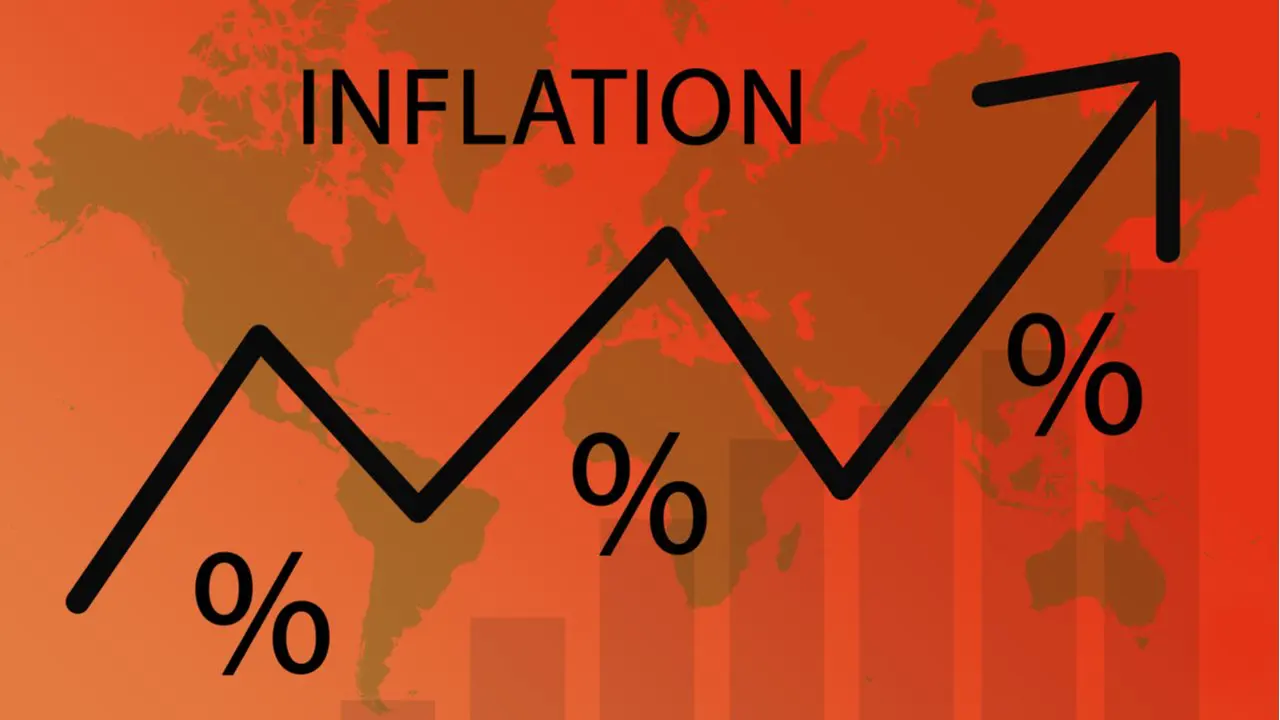
Nigeria’s inflation rate increased marginally in April 2026, rising to 15.69 per cent from 15.38 per cent recorded in March, according to the latest Consumer Price Index, CPI, report released by the National Bureau of Statistics, NBS, on Friday.
The data showed a 0.31 percentage point year-on-year increase, indicating that the general price level of goods and services remained higher compared to the previous month.
However, the report also pointed to a slowdown in price increases on a month-on-month basis, suggesting a gradual easing in the pace of inflationary pressure.
According to the NBS, month-on-month headline inflation stood at 2.13 per cent in April 2026, down significantly from 4.18 per cent recorded in March.
“This means that in April 2026, the rate of increase in the average price level was lower than the rate of increase in the average price level in March 2026,” the bureau explained.
The statistics agency noted that although inflation remains elevated, the latest figures reflect a moderation in the speed of price increases across the economy.
On a 12-month average basis, the headline inflation rate for the period ending April 2026 was 19.16 per cent, slightly lower than the 19.33 per cent recorded in the corresponding period of 2025.
A breakdown of the report showed mixed inflation trends between urban and rural areas.
Urban inflation stood at 15.40 per cent year-on-year in April 2026, while month-on-month urban inflation eased to 1.86 per cent from 3.16 per cent in March.
The 12-month average urban inflation rate was 19.07 per cent, compared to 20.76 per cent recorded in April 2025.
In rural areas, inflation was higher at 16.36 per cent year-on-year, reflecting continued cost pressures outside major cities.
However, rural month-on-month inflation dropped sharply to 2.80 per cent in April, down from 6.73 per cent in March.
The 12-month average rural inflation rate stood at 18.99 per cent, higher than the 17.63 per cent recorded in the same period last year.
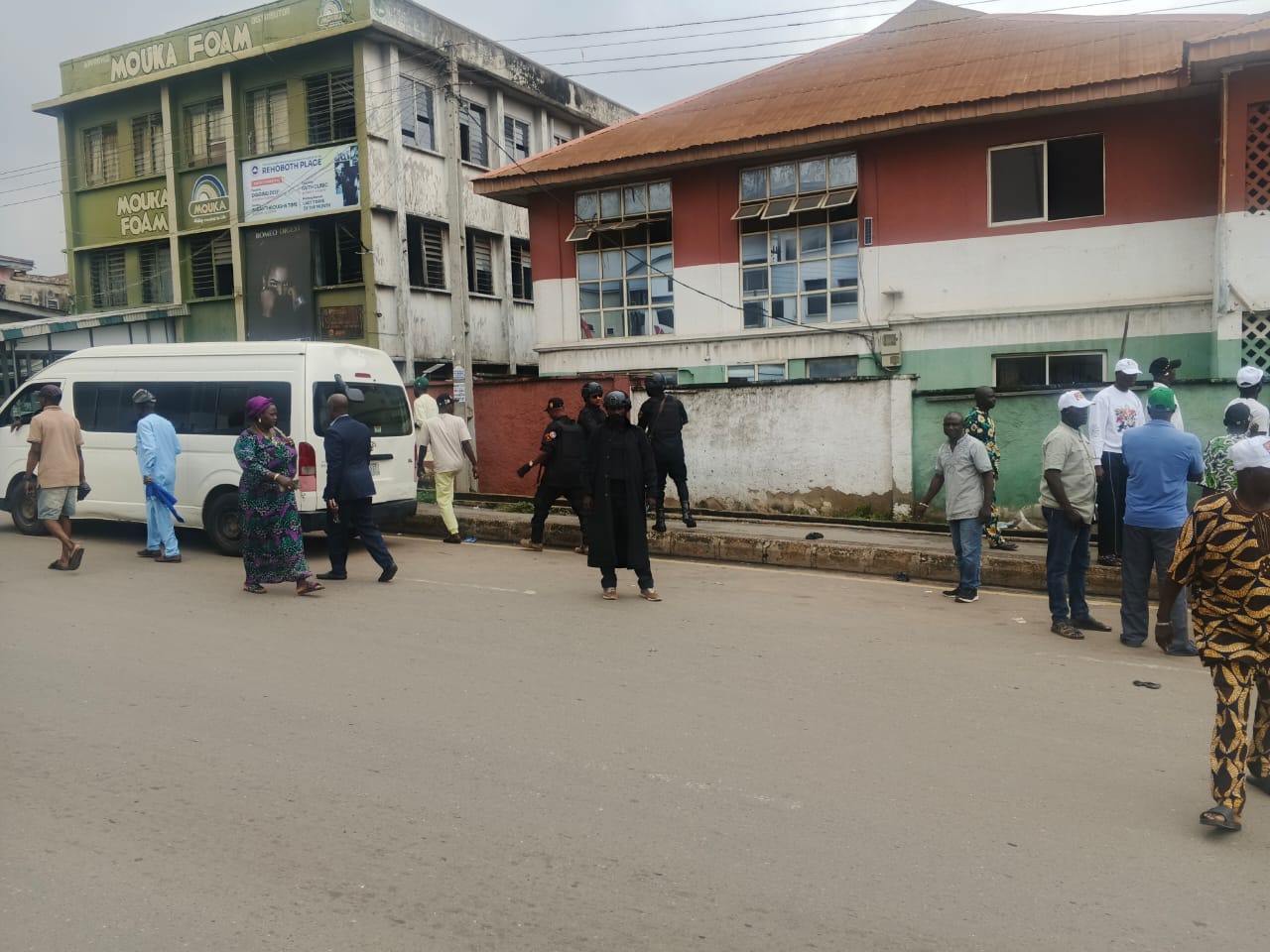
Members of Peoples Democratic Party, PDP, loyal to the Minister of Federal Capital Territory, FCT, Nyesom Wike, have taken over the secretariat of the party in Oyo State.
The secretariat, located in the Molete area of Ibadan, was in the custody of the faction loyal to Governor Seyi Makinde of the state until Thursday when the members loyal to Wike took over the premises.
DAILY POST gathered that the PDP members stormed the secretariat on Thursday and occupied the premises with hundreds of members of the party in attendance.
PDP chairman in the state, Professor Abdulrahman Akinoso, confirmed the development to DAILY POST.
Akinoso in a telephone conversation with DAILY POST on Thursday, insisted that the real owners have taken over the premises.
He said, “It is true. It is not faction. It is PDP. We have taken over the premises. It was in the morning. We were there in the morning. We just left the premises. We are now in control. We have taken over the premises.” .…For more, Complete your reading.

The African Democratic Congress (ADC) has told President Bola Tinubu that foreign recognition will not secure him another term in office, insisting that Nigerians will judge his administration by its performance, not by diplomatic gestures from other world leaders.
In a statement issued on Thursday by its National Publicity Secretary, Bolaji Abdullahi, the opposition party reacted to the Presidency’s celebration of a purported letter from United States President Donald Trump to Tinubu.
The ADC said presenting the letter as an endorsement of Tinubu’s administration was misleading, stressing that diplomatic correspondence between world leaders is a normal part of international relations.
“The Presidency’s attempt to present President Donald Trump’s letter to President Bola Ahmed Tinubu as though it were a referendum on the state of the nation is not correct,” the party said.
According to the ADC, countries cooperate, leaders exchange views and letters regularly, adding that such communication does not amount to an endorsement of a government’s performance.
The party accused the Tinubu administration of being desperate for international validation instead of focusing on solving Nigeria’s challenges.
“It is apparent that this administration is desperate to seize upon any gesture of international recognition as proof of success at home,” the statement said.
The ADC maintained that “a letter from a foreign president, however well-intentioned, cannot substitute for the verdict of the Nigerian people.”
It added that the true measure of any government is not what foreign leaders say about it, but what citizens experience daily.
The opposition party argued that Trump’s letter had not changed the reality facing millions of Nigerians, especially those affected by insecurity.
“For the millions of Nigerians still living with the consequences of this government’s failures, President Trump’s communication changes nothing. It did not say that insecurity has been overcome or that Nigerians can once again travel freely, farm safely and sleep without fear,” the party stated.
The ADC also pointed to the continued captivity of hundreds of women and children in parts of Borno State and Kaiama in Kwara State, while many communities in Benue and other parts of the country still live in constant fear because of insecurity.
The party further noted that, despite the Presidency’s celebration of the letter, the United States Department of State has not changed its travel advisory for Nigeria.
According to the ADC, several Nigerian states remain under Level 3 and Level 4 travel advisories, with American citizens still being urged to reconsider or avoid travel because of crime, terrorism, kidnapping and civil unrest.
“We therefore wonder how correspondence from a government that designates several Nigerian states as ‘Do Not Travel’ areas can be regarded as an endorsement,” the party said.
It argued that the travel advisory shows the international assessment of Nigeria’s security situation remains different from the image the Presidency is trying to project.
The ADC said Nigerians are more concerned about their safety than diplomatic exchanges between presidents.
“The daily reality of Nigerians is shaped not by diplomatic correspondence, but by the guarantee that they can go about their lives without falling victim to violent crime or terrorism,” it said.
The party stressed that Trump’s letter was simply communication between two presidents and “does not amount to an endorsement of this government’s overall performance.”
It urged the Tinubu administration to focus less on celebrating diplomatic courtesies and more on delivering measurable improvements in the lives of Nigerians.
“Ultimately, Nigerians will not judge this government by the letters it receives from foreign capitals. They will judge it by whether .…For more, Complete your reading.
-

 Breaking News8 months ago
Terrorists Want ₦2m ‘levy’ in Katsina Community Despite Peaceful Agreement
-

 Breaking News8 months ago
Ex-EFCC Exhibit Keeper Kaduna Zonal Directorate, Allegedly Steals ₦22m
-

 Breaking News9 months ago
Niger Delta Group hails Tinubu, NUPRC for ₦373bn host community fund and 536 life-changing projects
-

 Breaking News7 months ago
Breaking News: Nigerian Air Force Reportedly Kills 750 Terrorists in Borno State
-

 Business9 months ago
House of Representatives probes $35m modular refinery project
-

 Business3 months ago
BREAKING NEWS: Zenith Bank Rewards Investors with ₦410.69bn Dividend at AGM
-

 Breaking News9 months ago
UCL: Osimhen Statement after Galatasaray’s 3-1 Win over Bodo/Glimt
-

 Breaking News7 months ago
Nasarawa Insecurity: Suspects Apprehended, Man Hunt Ongoing – Gov Sule