
Breaking News
Breaking News: INEC Chairman, Amupitan Seeks Senate Support Ahead of 2027 Election

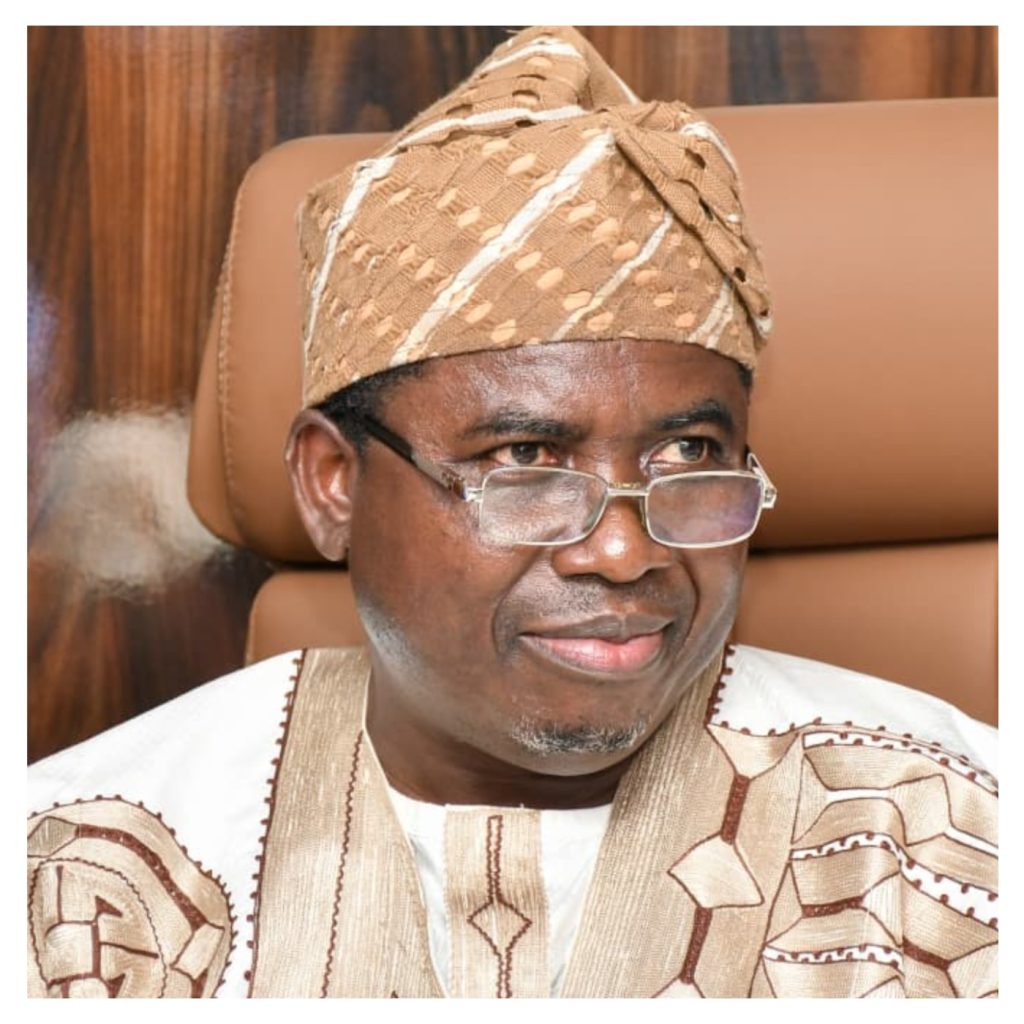
The chairman of the Independent National Electoral Commission, INEC, Professor Joash Amupitan, SAN, has outlined key priorities aimed at strengthening Nigeria’s electoral system, with emphasis on electoral reform, infrastructure development and voter education, during his maiden interactive meeting with the Senate Committee on Electoral Matters.
The meeting, held at Room 107 of the Senate New Wing on Tuesday, December 16, 2025, marked Professor Amupitan’s first formal engagement with the Committee since his assumption of office. He was accompanied by the full complement of National Commissioners, the Secretary to the Commission, and the Chairman’s technical aides, reflecting the importance INEC attached to the interaction. Members of the Senate Committee present included the Chairman, Senator Simon Bako Lalong, as well as Senators Adams Oshiomhole, Tony Nwoye, Ireti Kingibe, Ede Dafinone, Emma Nwachukwu, Kelvin Chukwu, and Sunday Katum.
In his remarks, Prof. Amupitan acknowledged the Senate Committee on Electoral Matters as a critical pillar in Nigeria’s democratic architecture, noting that its legislative and oversight responsibilities directly impact the stability and credibility of the nation’s electoral system. He expressed appreciation to the Senate for the rigorous confirmation process that preceded his appointment, describing the engagement as a demonstration of institutional collaboration anchored on constitutional principles.
Reflecting on the early days of his tenure, the INEC Chairman recalled that the Commission was immediately confronted with the conduct of the Anambra Governorship Election of November 8, 2025. He reported that the election was successfully concluded in a single day, a notable departure from previous experiences, and attributed the outcome to effective inter-agency cooperation and the support of the National Assembly and other stakeholders. According to him, the exercise provided valuable lessons and insights into areas requiring further improvement, particularly in logistics and operational efficiency.
Prof. Amupitan emphasised that Nigeria’s electoral system operates within a tripartite framework comprising the Constitution, the Electoral Act, and INEC’s Regulations and Guidelines. While the Commission is empowered to conduct elections and issue regulations, he stressed that these responsibilities must remain consistent with the provisions of the Constitution and the laws enacted by the National Assembly. He commended the legislature for granting INEC the opportunity to contribute to the ongoing process of constitutional and electoral amendments.
Outlining his vision for the Commission, the INEC Chairman stated that supporting the National Assembly in achieving meaningful electoral reforms remains a core priority of his leadership. He further emphasised the need to strengthen existing infrastructure and deploy technology in a manner that enhances transparency, credibility, and inclusiveness in the electoral process. He acknowledged the challenges associated with public perception and expectations, emphasising the importance of adhering to constitutionalism, due process, and institutional boundaries in the conduct of elections.
The INEC chairman also identified voter education as a critical mandate that will receive increased attention under his leadership, noting that informed participation by citizens is essential to the integrity and credibility of elections. He emphasised the central role of logistics in electoral success and observed that preparations for forthcoming elections, including the FCT Area Council Election and other off-cycle elections scheduled for 2026, are closely linked to the timely conclusion of electoral reforms by the National Assembly.
Earlier in his remarks, the Chairman of the Senate Committee on Electoral Matters, Senator Simon Bako Lalong, welcomed Prof. Amupitan and his delegation, describing the interactive session as a significant milestone in efforts to strengthen Nigeria’s democratic institutions. He reaffirmed the central role of INEC

The Lagos Zonal Directorate of the Economic and Financial Crimes Commission, EFCC, on Tuesday, again arraigned a social media influencer and self-acclaimed relationship therapist, Okoro Blessing Nkiruka, also known as Blessing CEO, for an alleged N69.1 million fraud.
Blessing CEO was arraigned before Justice R.A. Oshodi of the Special Offences Court sitting in Ikeja, Lagos on a two-count charge bordering on obtaining money by false pretence and stealing to the tune of N69,150,000.
At the commencement of the proceedings, the prosecution counsel, C. C. Okezie, urged the court to proceed with the arraignment, arguing that the defendant had been duly served with the charge.
However, the defence counsel, Nkama Nneka, informed the court that service of the charge had only recently been effected.
In his ruling, Justice Oshodi held that the arraignment should proceed in accordance with the law, hence the charges were subsequently read to the defendant.
It will be recalled that Blessing CEO had been arraigned by the EFCC on 15th May 2026 over an alleged N36 million fraud.
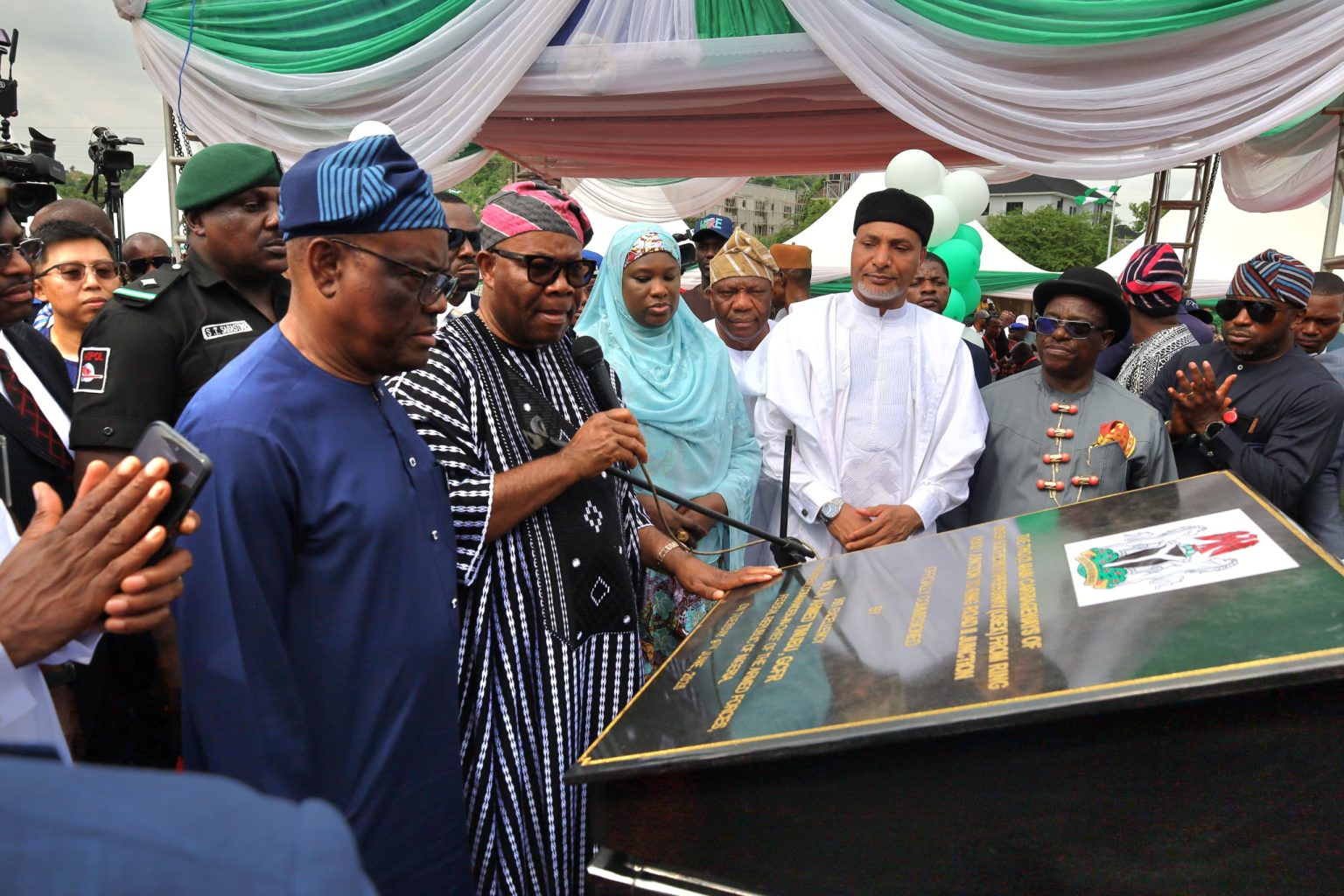
President Bola Ahmed Tinubu on Tuesday commissioned the main carriageways of the Outer Southern Expressway (OSEX) from Ring Road I Junction to Ring Road II Junction in Abuja, declaring that the era of abandoned public projects has ended.
Represented by Senate President Godswill Akpabio, the President said the completion of the strategic road project underscored his administration’s commitment to delivering critical infrastructure capable of stimulating economic growth, easing transportation and improving the quality of life of Nigerians.
“We don’t start projects to abandon them. The era of uncompleted projects in Nigeria is fading away. We finish what we start, and even finish the ones we did not start,” Tinubu said at the inauguration ceremony.
Describing infrastructure as the backbone of economic development, the President said the newly completed road would unlock new opportunities for businesses and residents across the Federal Capital Territory (FCT).
“What we are doing here today goes far beyond laying asphalt or mixing concrete. We are paving the way for a brighter future. Infrastructure is the very artery of economic growth. If you want to unlock the potential of a city, if you want to create jobs, if you want to make life easier for the market woman, the corporate worker and the industrialist, you build roads,” he stated.
Tinubu noted that his administration had steadily advanced the OSEX project, beginning with the commissioning of the first phase from the Villa Roundabout to Ring Road I Junction in 2024 and the inauguration of the 15-kilometre left-hand service carriageway in 2025.
According to him, the completion of the main carriageway from Ring Road I to Ring Road II represents another milestone in the ongoing transformation of Abuja.
The President also commended the Minister of the Federal Capital Territory, Barr. Nyesom Wike, for what he described as focused and result-oriented leadership.
“The structural transformation we are witnessing in the Federal Capital Territory is a testament to what happens when you have focus, vision and dynamic leadership. I want to commend the Honourable Minister of the FCT, Nyesom Wike, and his entire team for their commitment and dogged determination in reshaping the FCT for long-term prosperity,” he said.
Addressing Wike directly, Tinubu added: “You have shown that public service is about performance, not excuses. You have kept the contractors on their toes and you have kept our vision alive. This is the spirit of the Renewed Hope Agenda delivering quality results for the Nigerian people on time.”
He said the road would reduce traffic congestion, lower transportation costs and expand Abuja’s economic footprint by improving connectivity between Apo and Wasa districts.
Earlier, Minister of the FCT, Nyesom Wike attributed the successful completion of the project to the determination of the administration and the commitment of the contractor, CGC Nigeria Limited, to deliver within the agreed timeline.
The minister disclosed that when the contract was awarded in late 2025, he had sought assurances from the contractor that the project could be completed in time for President Tinubu’s third anniversary in office.
“I asked them a simple question: can you deliver this project? I told them I wanted it ready for Mr. President’s third anniversary. They said yes. I asked again because I was not comfortable considering the scope of the work, the dual carriageway, culverts and bridges. They assured me they would deliver, and today they have kept their promise,” Wike said.
He revealed that he personally inspected the project site more than ten times to monitor progress and ensure compliance with agreed timelines.
“This means that nothing is impossible if we are determined and committed to achieving results. With proper understanding between government and contractors, and with government fulfilling its obligations, we can achieve a lot,” he added.
Wike said the completion of the road was consistent with the Tinubu administration’s policy of ensuring continuity in governance and completing projects inherited from previous administrations.
“We did say every project we inherited, we are going to continue with it and finish it. That’s the essence of leadership. One of the criteria of good leadership is continuity of projects initiated by other administrations, not just projects initiated by you,” he said.
According to him, about 80 per cent of projects completed by the FCT Administration since 2023 were inherited from previous governments.
“Some people would have said there is no need for that, let us start our own projects. But Mr. President understands that these projects are funded with public resources and government is a continuum. We cannot abandon projects littered across the FCT,” he said.
The minister also disclosed that infrastructure had been fully provided at the relocation site for traders and artisans operating at the Apo Mechanic Village, fulfilling a longstanding government promise to move the informal sector to a more suitable environment.
Responding to critics who claimed little is being achieved, Wike pointed to ongoing and completed projects across Abuja’s satellite towns, including roads in Kwali, Karu and Kubwa, as well as water projects in rural communities.
“Sometimes it baffles me when people say nothing is happening in this country. Are we doing all these things in heaven or here on earth where people are living?” he asked.
He expressed confidence that residents of the FCT would ultimately appreciate the administration’s efforts and support President Tinubu for fulfilling promises made to them.
In her remarks, the Minister of State for the FCT, Dr. Mariya Mahmoud, described the OSEX project as a significant milestone in the ongoing transformation of the nation’s capital.
She commended President Tinubu for his unwavering commitment to infrastructure development, noting that strategic investments in roads, bridges and other critical projects were translating government policies into tangible benefits for citizens.
Mahmoud also praised Wike’s leadership and commitment to delivering infrastructure that is reshaping Abuja and improving the quality of life of residents.
The newly commissioned road is expected to enhance mobility between key districts of the capital city, support urban expansion and strengthen Abuja’s transportation network as part of the broader modernisation agenda of the FCT Administration.
-

 Breaking News7 months ago
Ex-EFCC Exhibit Keeper Kaduna Zonal Directorate, Allegedly Steals ₦22m
-

 Breaking News6 months ago
Terrorists Want ₦2m ‘levy’ in Katsina Community Despite Peaceful Agreement
-

 Breaking News8 months ago
Niger Delta Group hails Tinubu, NUPRC for ₦373bn host community fund and 536 life-changing projects
-

 Breaking News5 months ago
Breaking News: Nigerian Air Force Reportedly Kills 750 Terrorists in Borno State
-

 Business8 months ago
House of Representatives probes $35m modular refinery project
-

 Breaking News8 months ago
UCL: Osimhen Statement after Galatasaray’s 3-1 Win over Bodo/Glimt
-

 Breaking News7 months ago
Breaking: Robbery Suspects Caught After Leaving Phone At The Scene
-

 Breaking News5 months ago
Nasarawa Insecurity: Suspects Apprehended, Man Hunt Ongoing – Gov Sule